
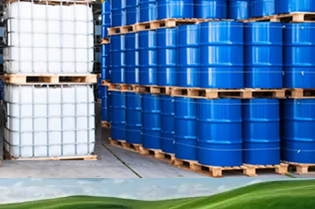
Anhydrous Chemicals: The Complete Guide to Water-Free Compounds, Uses, Types & Where to Buy
In the world of industrial chemistry, moisture is often the enemy. A single trace of water can ruin a synthesis reaction, corrode a pipeline, spoil a pharmaceutical formulation, or render a laboratory result meaningless. This is precisely why anhydrous chemicals — compounds that contain absolutely no water — occupy such a critical position across nearly every manufacturing, research, and agricultural sector on Earth. Whether you are a procurement manager sourcing bulk raw materials, a food technologist fine-tuning a recipe, or a student trying to understand why two nearly identical white powders behave differently, understanding the meaning, behavior, and applications of anhydrous compounds is essential.
The term anhydrous originates from the Greek words an- (without) and hydor (water), and it fundamentally means “without water”. In chemistry, a substance is classified as anhydrous when it contains no water molecules, including the water of crystallization that is chemically bound inside the crystal lattice of many common salts. This distinction matters enormously: the same compound in its hydrated form and its anhydrous form can have different molecular weights, different physical appearances, and even different industrial functions.
What Does “Anhydrous” Actually Mean?
To understand anhydrous chemicals properly, it helps to grasp the difference between three closely related but distinct states: anhydrous, hydrated, and desiccated. A hydrated compound contains water molecules chemically bound within its crystal structure — for example, copper(II) sulfate pentahydrate (CuSO₄·5H₂O), which holds five water molecules for every one unit of the salt. When that same salt is heated or processed to remove the bound water entirely, it becomes copper(II) sulfate anhydrous (CuSO₄), a pale gray-white powder that looks nothing like the vivid blue crystals most people recognize.
This transformation is not merely cosmetic. Each water molecule adds a predictable mass to the compound, which means chemists must account for hydration state when weighing out exact quantities for reactions. A formulation that calls for 100 grams of “sodium sulfate” will behave differently if you accidentally use the decahydrate (Na₂SO₄·10H₂O) rather than the anhydrous form (Na₂SO₄), because the hydrated version is nearly 56% water by weight. In pharmaceutical manufacturing, where the active ingredient dosage must be precise to the milligram, confusing hydration states can be a costly and dangerous error .
Synonyms and related terms that readers and researchers commonly encounter include water-free chemical, moisture-free compound, desiccated substance, anhydrate, calcined salt, dried compound, and dehydrated reagent. Knowing these phrases is valuable not only for scientific literacy but also for searching supplier catalogs and technical datasheets, where manufacturers may use different terminology for the very same product.
Why Removing Water Matters: The Science of Hygroscopy
Many anhydrous chemicals are hygroscopic, meaning they actively pull moisture from the surrounding air. This property is what makes substances such as anhydrous calcium chloride (CaCl₂) so effective as desiccants — drying agents used to protect everything from electronics to leather goods from humidity damage . When anhydrous calcium chloride absorbs water from the atmosphere, it can eventually dissolve in its own captured moisture, a phenomenon that explains why a container of desiccant left open in a humid room will eventually turn into a puddle of liquid brine.
Conversely, the same hygroscopic nature that makes these chemicals useful also makes them challenging to store. Anhydrous compounds must be kept in tightly sealed, moisture-barrier containers, often under an inert gas atmosphere such as nitrogen or argon, to preserve their water-free state . Laboratories and factories go to great lengths to exclude ambient humidity during weighing and transfer, because even a few minutes of exposure to ordinary air can degrade the product.
The industrial stakes are high. In organic synthesis, water can quench a reactive intermediate, hydrolyze a sensitive reagent, or poison a catalyst. In metallurgy and welding, trace moisture can introduce hydrogen into molten metal, causing porosity and embrittlement. In food and pharmaceuticals, excess moisture encourages microbial growth and shortens shelf life. Anhydrous chemicals, by definition, eliminate this variable entirely, giving engineers and formulators a stable, predictable starting material.
The Most Important Anhydrous Chemicals and Their Uses
Anhydrous compounds span nearly every category of chemistry, from simple inorganic salts to complex organic acids. Below is a detailed exploration of the categories that matter most in commerce and industry.
Anhydrous Inorganic Salts
Anhydrous Sodium Sulfate (Na₂SO₄) is one of the most widely used drying agents in analytical chemistry. Because it does not react with most organic compounds and is easy to filter out, it is the desiccant of choice for drying organic solvents in the laboratory. It is also a major raw material in the manufacture of detergents, glass, and paper, where its water-free form ensures consistent weight and composition during batching.
Anhydrous Calcium Chloride (CaCl₂) is a powerhouse desiccant capable of absorbing several times its own weight in water . Beyond its role in moisture control for shipping containers, basements, and stored goods, it serves as a de-icing agent for roads (lowering the freezing point of water), a firming agent in canned vegetables and tofu, and an accelerator that speeds up concrete curing in cold weather.
Anhydrous Sodium Carbonate (Na₂CO₃), known commonly as soda ash, is a foundational industrial alkali used in glassmaking, water softening, and the production of soaps and detergents. Its anhydrous form is preferred in glass furnaces because it melts cleanly without the steam and foaming caused by residual hydration water.
Anhydrous Magnesium Sulfate (MgSO₄) is a familiar laboratory drying agent sold under many brand names. It is fast-acting and highly effective for drying organic solutions, though it must be filtered away from the product after use. In its hydrated form (Epsom salt), the same compound finds use in agriculture and personal care.
Anhydrous Copper(II) Sulfate (CuSO₄) serves a double purpose: it is a desiccant whose color change from white to blue signals the absorption of water, and it is a reagent in analytical testing for the presence of moisture. Its dramatic color shift makes it a useful visual indicator in educational and industrial settings alike.
Anhydrous Organic Acids
Citric Acid Anhydrous (C₆H₈O₇) is a water-free organic acid prized in food, beverage, pharmaceutical, and cosmetic industries . It acts as a pH regulator, acidulant, preservative, and chelating agent, and its anhydrous form is favored by many importers because it contains more active acid per unit weight compared to the monohydrate. It also finds use in cleaning products, where its chelating action dissolves hard-water scale and rust deposits .
Oxalic Acid Anhydrous (C₂H₂O₄) is used as a cleaning and bleaching agent, a wood restorer, and a precursor in metal extraction. It is particularly effective at removing iron stains and is a key component in some rust-removal formulations.
Acetic Acid Glacial (CH₃COOH) is the highly concentrated, essentially water-free form of acetic acid. Because it contains almost no water, it is classified as anhydrous and serves as an indispensable solvent and reagent in the production of cellulose acetate, vinyl acetate, and countless pharmaceutical intermediates.
Anhydrous Bases and Alkalies
Anhydrous Sodium Hydroxide (NaOH) — often supplied as solid pellets or flakes — is a caustic alkali used in soap making, paper pulping, drain cleaning, and pH adjustment. The anhydrous, or “solid,” form is preferred where precise dosing and freedom from water are required.
Anhydrous Potassium Hydroxide (KOH) functions similarly but is favored in applications where a softer soap or a more soluble product is desired, such as in liquid soap manufacture and in alkaline battery electrolytes.
Anhydrous Gases and Volatiles
Anhydrous Ammonia (NH₃) is a colorless, pungent, non-flammable gas that is stored and transported as a liquefied gas under pressure. It is one of the most important agricultural chemicals in the world, serving as a high-nitrogen fertilizer directly injected into soil. It is also a refrigerant and an intermediate in the production of nitric acid, explosives, and various synthetic fibers. Because of its toxicity and the risks of handling a pressurized liquefied gas, anhydrous ammonia demands strict safety protocols in storage and transportation.
Specialty and Laboratory Anhydrous Reagents
Beyond commodities, a host of specialist anhydrous reagents power research and fine chemical production. Anhydrous solvents — including anhydrous ethanol, anhydrous methanol, anhydrous acetonitrile, anhydrous tetrahydrofuran (THF), and anhydrous dimethylformamide (DMF) — are indispensable in moisture-sensitive reactions such as Grignard reactions, polymerizations, and organometallic synthesis. Anhydrous aluminum chloride (AlCl₃) and anhydrous iron(III) chloride (FeCl₃) are Lewis acid catalysts used in Friedel-Crafts alkylation and acylation. Anhydrous zinc chloride (ZnCl₂) serves as a flux and dehydrating agent. These reagents illustrate how deeply anhydrous chemistry underpins the modern organic synthesis that produces medicines, plastics, and advanced materials.
Global Applications Across Industries
The versatility of anhydrous chemicals is best appreciated by surveying their role across sectors.
Agriculture & Fertilizers: Anhydrous ammonia is the single most concentrated nitrogen source available to farmers, delivering more nitrogen per unit than any solid fertilizer. Its application requires specialized injection equipment and stringent safety measures, but its economic and agronomic advantages keep it in high demand worldwide .
Food & Beverage: Anhydrous citric acid modulates acidity in soft drinks, candies, and processed foods. Anhydrous calcium chloride firms pickles and canned produce, while anhydrous sodium carbonate regulates pH in certain food processes. In every case, the anhydrous form offers predictable concentration and extended stability.
Pharmaceuticals: Precise dosing and moisture-free environments are non-negotiable in drug manufacturing. Anhydrous reagents and solvents ensure that reactions proceed cleanly and that active pharmaceutical ingredients (APIs) are not degraded by hydrolysis. Anhydrous acids and bases also feature in tablet coating, granulation, and effervescent formulations.
Petrochemicals & Energy: Anhydrous desiccants dry natural gas before it enters pipelines, preventing hydrate formation and corrosion. Anhydrous solvents and reagents support refining, catalysis, and the production of fuels and lubricants.
Construction & Metallurgy: Anhydrous calcium chloride accelerates concrete setting in low temperatures, while anhydrous fluxes remove oxides during welding and metal joining. Anhydrous chemicals also play a role in the production of glass, ceramics, and cement.
Electronics & Laboratories: Moisture is fatal to semiconductor manufacturing and lithium battery production. Anhydrous solvents, gases, and desiccants maintain the ultra-dry conditions that modern electronics demand. In research labs, anhydrous reagents are the baseline for reproducible, high-yield chemistry.
Hydrate vs. Anhydrous: How to Choose
A common sourcing question is whether to buy the hydrate or the anhydrous version of a compound. The choice depends on application, cost, and handling requirements [^3]. In general:
Choose the anhydrous form when water would interfere with a reaction, when maximum concentration per unit weight is needed, or when the compound will serve as a desiccant.
Choose the hydrated form when water is harmless or beneficial, when a lower-cost, easier-to-handle solid is preferred, or when the compound’s crystalline water contributes to a desirable property (such as the flowing, non-caking behavior of some hydrated salts).
Buyers should always verify the purity assay, the water content specification, and the hydration state on the certificate of analysis (COA) before purchasing, since these parameters directly affect downstream performance.
Safety and Handling Considerations
Anhydrous chemicals are not merely “dry” versions of familiar substances — several carry distinct hazards precisely because of their water-free state. Anhydrous ammonia is a toxic, corrosive liquefied gas that can cause severe burns to skin, eyes, and lungs [^8]. Anhydrous calcium chloride generates considerable heat when it absorbs water and can irritate skin and eyes. Concentrated anhydrous acids, such as glacial acetic acid, are corrosive and flammable. Anhydrous bases like sodium hydroxide are strongly caustic.
Best practices for handling include:
Store in airtight, moisture-proof containers, ideally under an inert gas.
Wear appropriate personal protective equipment (PPE), including gloves, eye protection, and respiratory protection where vapors or dusts are possible.
Never add water to anhydrous acids or bases rapidly, as the resulting exothermic reaction can cause splattering or boiling.
Label clearly with the hydration state to prevent dangerous substitutions.
Follow the material safety data sheet (SDS) for each specific product.
Frequently Asked Questions
Is anhydrous the same as dry?
Not exactly. “Dry” is a general term meaning the absence of free liquid water, while “anhydrous” specifically means the absence of all water, including chemically bound water of crystallization [^1].
Can an anhydrous compound become hydrated?
Yes. Many anhydrous salts readily absorb atmospheric moisture and convert to hydrated forms, which is why they must be sealed tightly.
Why is anhydrous often more expensive?
Removing the last traces of bound water requires additional energy and processing steps, and preserving the water-free state requires more costly packaging and handling.
What is the opposite of anhydrous?
The opposite state is “hydrated” — containing water — while “hygroscopic” describes a substance that tends to attract water.
50+ Related Anhydrous Chemicals and Where to Buy Them
The following is an extensive catalog of more than 50 anhydrous and closely related water-free chemicals commonly sought by buyers, along with indicative price ranges for bulk and professional quantities. All of these products — and thousands more — are available through [Chemicals Suppliers](https://www.chemicalssuppliers.com/), where you can request a quote, compare specifications, and place orders for laboratory, pilot, and industrial volumes. Prices below are indicative market ranges in USD and vary with purity, grade, packaging, and current market conditions; contact the supplier for a firm quotation.
#
Chemical (Anhydrous / Water-Free)
Common Synonyms
Typical Use
Indicative Price (USD)
1
Sodium Sulfate Anhydrous
Thenardite, Glaubers salt (anhyd.)
Drying agent, detergent raw material
$0.8–$1.5 / kg
2
Calcium Chloride Anhydrous
Desiccant salt, road salt
Desiccation, de-icing, concrete
$1.0–$2.0 / kg
3
Sodium Carbonate Anhydrous
Soda ash, calcined soda
Glass, water treatment
$0.5–$1.0 / kg
4
Magnesium Sulfate Anhydrous
Anhydrous Epsom salt
Laboratory drying, agriculture
$1.5–$3.0 / kg
5
Copper(II) Sulfate Anhydrous
Cupric sulfate (water-free)
Desiccant, moisture indicator
$8–$20 / kg
6
Citric Acid Anhydrous
2-Hydroxypropane-1,2,3-tricarboxylic acid
Food acidulant, chelator
$2.0–$4.0 / kg
7
Oxalic Acid Anhydrous
Ethanedioic acid
Cleaning, bleaching, metal finishing
$3.0–$6.0 / kg
8
Acetic Acid Glacial
Ethanolic acid, vinegar concentrate
Solvent, reagent
$1.5–$3.0 / kg
9
Sodium Hydroxide Anhydrous
Caustic soda, lye
Soap, pulp, pH control
$1.0–$1.8 / kg
10
Potassium Hydroxide Anhydrous
Caustic potash
Liquid soap, electrolytes
$1.5–$2.5 / kg
11
Anhydrous Ammonia
NH3, liquid ammonia
Fertilizer, refrigerant
$0.5–$1.0 / kg
12
Aluminum Chloride Anhydrous
Aluminium trichloride
Friedel-Crafts catalyst
$3.0–$8.0 / kg
13
Iron(III) Chloride Anhydrous
Ferric chloride
Catalyst, water treatment
$4.0–$9.0 / kg
14
Zinc Chloride Anhydrous
Butter of zinc
Flux, dehydrating agent
$4.0–$8.0 / kg
15
Magnesium Chloride Anhydrous
Bischofite (anhyd.)
Dust control, de-icing
$1.5–$3.0 / kg
16
Trisodium Phosphate Anhydrous
TSP, sodium orthophosphate
Cleaner, food additive
$2.0–$4.0 / kg
17
Disodium Phosphate Anhydrous
DSP, dibasic sodium phosphate
Buffering, food
$2.5–$5.0 / kg
18
Monopotassium Phosphate Anhydrous
MKP, potassium dihydrogen phosphate
Fertilizer, buffering
$3.0–$6.0 / kg
19
Sodium Bicarbonate Anhydrous
Baking soda (dried), sodium hydrogen carbonate
Food, fire extinguisher
$0.8–$1.5 / kg
20
Sodium Thiosulfate Anhydrous
Sodium hyposulfite
Photography, water treatment
$2.5–$5.0 / kg
21
Boric Acid Anhydrous
Boracic acid
Glass, antiseptic
$3.0–$6.0 / kg
22
Sodium Metasilicate Anhydrous
Water glass (dried)
Detergent, cement
$1.5–$3.0 / kg
23
Sodium Acetate Anhydrous
Hot ice
Buffering, heating pads
$2.0–$4.0 / kg
24
Potassium Carbonate Anhydrous
Potash, pearl ash
Glass, soap
$1.2–$2.2 / kg
25
Ammonium Sulfate Anhydrous
Sulfate of ammonia
Fertilizer
$0.6–$1.2 / kg
26
Ammonium Chloride Anhydrous
Sal ammoniac
Batteries, flux
$1.2–$2.5 / kg
27
Sodium Nitrate Anhydrous
Chile saltpeter
Fertilizer, glass
$1.5–$3.0 / kg
28
Potassium Nitrate Anhydrous
Saltpeter
Fertilizer, food preservative
$2.0–$4.0 / kg
29
Sodium Tetraborate Anhydrous
Borax (anhyd.), disodium tetraborate
Glass, ceramics
$2.0–$4.0 / kg
30
Calcium Oxide (Anhydrous)
Quicklime, burnt lime
Cement, pH control
$0.4–$0.8 / kg
31
Magnesium Oxide Anhydrous
Magnesia, calcined magnesite
Refractory, antacid
$1.5–$3.0 / kg
32
Silica Gel (Anhydrous)
Silicon dioxide desiccant
Moisture absorption
$3.0–$7.0 / kg
33
Molecular Sieves
Zeolite desiccant
Gas/liquid drying
$8–$20 / kg
34
Phosphorus Pentoxide
Diphosphorus pentoxide
Powerful desiccant
$15–$40 / kg
35
Sodium Hydrosulfite
Sodium dithionite
Textile bleaching, reduction
$2.5–$5.0 / kg
36
Sodium Sulfite Anhydrous
Disodium sulfite
Oxygen scavenger, preservative
$1.5–$3.0 / kg
37
Sodium Nitrite Anhydrous
Chile saltpeter (nitrite)
Curing, dye
$2.0–$4.0 / kg
38
Ferrous Sulfate Anhydrous
Iron(II) sulfate (dried)
Water treatment, pigment
$1.5–$3.0 / kg
39
Manganese Sulfate Anhydrous
Manganous sulfate (dried)
Fertilizer, feed
$3.0–$6.0 / kg
40
Cobalt Chloride Anhydrous
Cobaltous chloride (blue)
Humidity indicator
$30–$80 / kg
41
Nickel Chloride Anhydrous
Nickelous chloride
Electroplating
$20–$50 / kg
42
Stannous Chloride Anhydrous
Tin(II) chloride
Reducing agent, plating
$25–$60 / kg
43
Lithium Chloride Anhydrous
—
Desiccant, air conditioning
$30–$70 / kg
44
Lithium Carbonate Anhydrous
Dilithium carbonate
Battery raw material
$15–$30 / kg
45
Sodium Aluminate Anhydrous
Aluminum sodium oxide
Water treatment
$1.5–$3.0 / kg
46
Sodium Silicate Anhydrous
Water glass (solid)
Binder, detergent
$1.0–$2.0 / kg
47
Trisodium Citrate Anhydrous
Sodium citrate (dried)
Food, anticoagulant
$2.5–$5.0 / kg
48
Monoammonium Phosphate Anhydrous
MAP, ammonium dihydrogen phosphate
Fertilizer, fire retardant
$1.5–$3.0 / kg
49
Diammonium Phosphate Anhydrous
DAP
Fertilizer
$1.0–$2.0 / kg
50
Calcium Carbonate Anhydrous
Calcite, precipitated chalk
Filler, antacid
$0.6–$1.2 / kg
51
Potassium Chloride Anhydrous
Muriate of potash
Fertilizer, salt substitute
$0.5–$1.0 / kg
52
Anhydrous Ethanol
Absolute alcohol, ethyl alcohol (200 proof)
Solvent, fuel
$3.0–$8.0 / kg
53
Anhydrous Methanol
Methyl alcohol (water-free)
Solvent, reagent
$1.5–$3.0 / kg
54
Anhydrous Acetone
Propan-2-one (dried)
Solvent
$2.0–$4.0 / kg
55
Anhydrous Isopropanol
Isopropyl alcohol (water-free)
Cleaning, solvent
$3.0–$7.0 / kg
56
Anhydrous Toluene
Methylbenzene (dried)
Solvent
$2.0–$4.0 / kg
57
Anhydrous Hexane
n-Hexane (dried)
Extraction solvent
$2.0–$4.0 / kg
58
Anhydrous THF
Tetrahydrofuran (dried)
Polymerization solvent
$6–$15 / kg
59
Anhydrous DMF
Dimethylformamide (dried)
Synthesis solvent
$5–$12 / kg
60
Anhydrous Acetonitrile
Methyl cyanide (dried)
HPLC, synthesis
$8–$20 / kg
How to order: Visit [Chemicals Suppliers](https://www.chemicalssuppliers.com/) to browse the full catalog, request certificates of analysis, and obtain a formal quotation. The platform connects buyers with manufacturers and distributors across regions, supporting purchases from a single kilogram for R&D up to full container loads for production. For bulk or customized specifications (including non-standard mesh sizes, ultra-dry grades, and food/pharma certifications), use the “Request a Quote” form to receive tailored pricing and lead times.
Choosing a Reliable Anhydrous Chemical Supplier
When sourcing anhydrous chemicals, price is only one consideration. Buyers should evaluate suppliers on:
Purity and grade (technical, reagent, ACS, food, pharma) and the availability of a COA.
Moisture specification, ideally stated as maximum water content.
Packaging integrity — moisture-barrier drums, foil-lined bags, or nitrogen-blanketed containers.
Regulatory compliance and documentation, including SDS, REACH, and quality system certifications.
Logistics and lead times, especially for hazardous materials like anhydrous ammonia, which require specialized transport.
A trustworthy supplier will openly provide documentation and offer guidance on the correct hydration state and storage conditions for your application. The team at [Chemicals Suppliers](https://www.chemicalssuppliers.com/) supports buyers throughout the specification, quotation, and fulfillment process, ensuring you receive the right water-free product — dry, pure, and properly packaged.
Conclusion
Anhydrous chemicals are the quiet workhorses of modern industry. From the anhydrous ammonia that fertilizes the world’s crops to the anhydrous solvents that enable next-generation pharmaceuticals, these water-free compounds deliver consistency, purity, and performance that hydrated alternatives simply cannot match. Understanding what “anhydrous” means, how these materials behave, and how to source them correctly empowers buyers and technicians to make smarter, safer, and more economical decisions.
Whether you need a single drum of anhydrous sodium sulfate for your laboratory or railcar quantities of anhydrous calcium chloride for winter operations, a reliable supply partner is the foundation of success. Explore the full range and request your quote today at [Chemicals Suppliers](https://www.chemicalssuppliers.com/).
Global Keywords & Multilingual Reference (全球关键词 · Bahasawords · Mots-clés)
For international researchers, importers, and purchasers, the following multilingual keyword references support global sourcing and search. Use these terms to locate anhydrous chemicals and suppliers in your region.
English: anhydrous chemicals, water-free compounds, desiccants, drying agents, anhydrous salts, anhydrous solvents, dehydrated reagents, moisture-free chemicals.
中文 (Chinese): 无水化学品 (wúshuǐ huàxuépǐn), 无水试剂, 干燥剂 (gānzàojì), 无水硫酸钠, 无水氯化钙, 无水柠檬酸, 无水乙醇.
हिन्दी (Hindi): निर्जल रसायन (nirjal rasayan), निर्जल अभिकर्मक, शुष्कक (shushkak), निर्जल सोडियम सल्फेट, निर्जल कैल्शियम क्लोराइड.
Español (Spanish): productos químicos anhidros, compuestos sin agua, desecantes, agentes secantes, cloruro de calcio anhidro, ácido cítrico anhidro, sulfato de sodio anhidro.
العربية (Arabic): مواد كيميائية لامائية (mawād kīmīyāʾiyya lā-māʾiyya), مجففات (mujaffifāt), كلوريد الكالسيوم اللامائي, حمض الستريك اللامائي, كبريتات الصوديوم اللامائية.
Français (French): produits chimiques anhydres, composés sans eau, dessiccants, agents de séchage, chlorure de calcium anhydre, acide citrique anhydre, sulfate de sodium anhydre.
বাংলা (Bengali): অনার্দ্র রাসায়নিক (onardro rashayonik), জলহীন যৌগ, শোষক (shoshok), অনার্দ্র সোডিয়াম সালফেট, অনার্দ্র ক্যালসিয়াম ক্লোরাইড.
한국어 (Korean): 무수 화학물 (musu hwahakmul), 무수 시약, 건조제 (geonjoje), 무수 황산나트륨, 무수 염화칼슘, 무수 구연산.
Português (Portuguese): produtos químicos anidros, compostos sem água, dessecantes, agentes secantes, cloreto de cálcio anidro, ácido cítrico anidro, sulfato de sódio anidro.
Bahasa Indonesia (Indonesian): bahan kimia anhidrat, senyawa bebas air, pengering, zat pengering, kalsium klorida anhidrat, asam sitrat anhidrat, natrium sulfat anhidrat.
Русский (Russian): безводные химические вещества (bezvodnyye khimicheskiye veshchestva), безводные реагенты, осушители (osushiteli), безводный хлорид кальция, безводная лимонная кислота, безводный сульфат натрия.
Deutsch (German): wasserfreie Chemikalien, wasserfreie Verbindungen, Trockenmittel, wasserfreies Calciumchlorid, wasserfreie Zitronensäure, wasserfreies Natriumsulfat.
日本語 (Japanese): 無水化学物質 (musui kagaku busshitsu), 無水試薬, 乾燥剤 (kansōzai), 無水硫酸ナトリウム, 無水塩化カルシウム, 無水クエン酸.
Tiếng Việt (Vietnamese): hóa chất khan, hợp chất không nước, chất hút ẩm, chất làm khô, canxi clorua khan, axit xitric khan, natri sunfat khan.
Türkçe (Turkish): susuz kimyasallar, susuz bileşikler, kurutucular, nem alıcı maddeler, susuz kalsiyum klorür, susuz sitrik asit, susuz sodyum sülfat.
This guide is provided for informational and educational purposes. Always consult the material safety data sheet (SDS) and qualified professionals before handling or purchasing anhydrous chemicals, and verify current pricing and specifications with [Chemicals Suppliers](https://www.chemicalssuppliers.com/).