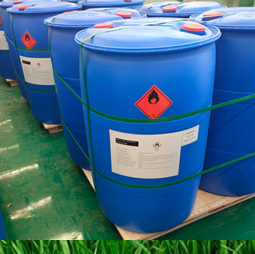
Succinic Acid: Properties, Industrial Applications, and Global Sourcing
In the rapidly evolving landscape of industrial chemistry, few compounds bridge the gap between biological necessity and synthetic utility as effectively as Succinic Acid. Whether you are a researcher in the pharmaceutical sector, a formulator in the food industry, or a manufacturer seeking sustainable building blocks, understanding the nuances of this dicarboxylic acid is paramount.
Welcome to the definitive resource on Succinic Acid, brought to you by ChemicalsSuppliers.com. In this comprehensive guide, we will explore the structural chemistry, production methodologies, and the vast commercial ecosystem surrounding this versatile molecule.
1. Defining Succinic Acid: The Chemistry Behind the Compound
Succinic acid, known systematically as butanedioic acid (IUPAC name), is a dicarboxylic acid with the chemical formula (CH₂)₂(COOH)₂. It appears as a white, odorless solid and plays a critical role in the metabolic pathways of living organisms—specifically the Citric Acid Cycle (Krebs Cycle).
Molecular Characteristics
- CAS Number: 110-15-6
- Molar Mass: 118.09 g/mol
- Melting Point: 184–187 °C
- Solubility: Soluble in water, ethanol, and ether.
Beyond its biological existence, succinic acid is a “platform chemical.” It serves as a precursor to a wide array of high-value chemicals including 1,4-butanediol (BDO), tetrahydrofuran (THF), and polybutylene succinate (PBS), the latter being a biodegradable plastic gaining massive traction in the move toward a circular economy.
2. Industrial Applications: Why Succinic Acid Matters
The versatility of succinic acid allows it to permeate multiple industrial sectors.
A. The Green Plastic Revolution (Bioplastics)
The drive toward carbon neutrality has pushed succinic acid to the forefront. It is a key monomer for Polybutylene Succinate (PBS), a biodegradable polymer that mimics the properties of conventional plastics like polyethylene but decomposes under industrial composting conditions.
B. Pharmaceutical Intermediates
In the pharmaceutical industry, succinic acid is used to form “succinate salts” (e.g., sumatriptan succinate), which improve the bioavailability and stability of active pharmaceutical ingredients (APIs). Its role as a buffering agent and pH regulator is equally vital.
C. Food and Beverage
Recognized as a food additive (E363), it is used as a flavor enhancer and acidity regulator. It provides a unique “umami” or slightly tart flavor profiles in condiments and processed foods.
D. Personal Care and Cosmetics
Succinic acid has recently gained popularity in skincare for its antimicrobial properties and its ability to treat acne by inhibiting the growth of Cutibacterium acnes.
3. Production Technologies: Bio-based vs. Petrochemical
Historically, succinic acid was derived exclusively from the hydrogenation of maleic anhydride. However, the paradigm has shifted toward biomass-based fermentation.
- Petrochemical Route: Maleic anhydride is hydrogenated to produce succinic acid. This is a mature process but remains carbon-intensive.
- Bio-based Route: Microorganisms (like Actinobacillus succinogenes) are used to ferment sugars (glucose, xylose) into succinic acid. This method utilizes CO₂ as a feedstock, effectively sequestering carbon.
For high-purity requirements, ChemicalsSuppliers.com offers industry-grade succinic acid sourced from both top-tier traditional manufacturers and innovative bio-refineries.
4. Comparing Succinic Acid with Related Chemicals
To understand where succinic acid fits in the market, it is helpful to view it alongside other organic acids and chemical intermediates.
| Chemical Name |
CAS Number |
Primary Use |
| Adipic Acid |
124-04-9 |
Nylon 6,6 production |
| Maleic Acid |
110-16-7 |
Resin manufacturing |
| Fumaric Acid |
110-17-8 |
Food acidulant |
| Citric Acid |
77-92-9 |
Preservative/Flavoring |
| Glutaric Acid |
110-94-1 |
Plasticizer production |
5. Top Related Chemicals and Sourcing Guide
At ChemicalsSuppliers.com, we provide a comprehensive directory for industrial buyers. Below is a list of 50 related chemicals. Prices fluctuate based on market conditions, purity (USP/FCC/Technical grade), and volume.
- Adipic Acid – Used in Nylon production.
- Maleic Anhydride – Precursor to succinic acid.
- Fumaric Acid – Food industry standard.
- Glutaric Acid – Polymer synthesis.
- Sebacic Acid – Bio-sourced plasticizer.
- Azelaic Acid – Skincare active.
- Lactic Acid – Biodegradable polymers.
- Glycolic Acid – Chemical peels/industrial cleaning.
- Oxalic Acid – Removing rust and mineral stains.
- Malic Acid – Tartness in food.
- Tartaric Acid – Baking and beverage industry.
- Acetic Acid (Glacial) – Solvent/chemical reagent.
- Butanediol (1,4-BDO) – Solvent/intermediate.
- Tetrahydrofuran (THF) – High-performance solvent.
- Gamma-Butyrolactone (GBL) – Industrial solvent.
- Propionic Acid – Food preservative.
- Butyric Acid – Chemical intermediate.
- Acrylic Acid – Superabsorbent polymers.
- Methacrylic Acid – Resin synthesis.
- Itaconic Acid – Bio-polymer crosslinker.
- Levulinic Acid – Platform chemical from cellulose.
- Benzoic Acid – Food preservative.
- Salicylic Acid – Pharmaceutical/skincare.
- Citric Acid Anhydrous – Industrial cleaning.
- Formic Acid – Leather tanning/textiles.
- Caprylic Acid – Dietary supplement.
- Pelargonic Acid – Herbicide formulation.
- Stearic Acid – Rubber softening/lubricant.
- Oleic Acid – Emulsifier.
- Palmitic Acid – Soap production.
- Myristic Acid – Surfactant base.
- Lauric Acid – Detergent manufacture.
- Capric Acid – Pharmaceutical intermediate.
- Phthalic Anhydride – Plasticizer production.
- Terephthalic Acid – PET resin manufacturing.
- Isophthalic Acid – Coating resins.
- Trimellitic Anhydride – Specialty coatings.
- Maleic Acid – Chemical synthesis.
- Maleic Hydrazide – Plant growth regulator.
- Succinic Anhydride – Specialty adhesive raw material.
- Calcium Stearate – Lubricant.
- Zinc Stearate – Mold release agent.
- Magnesium Stearate – Pharmaceutical excipient.
- Glycerin (Glycerol) – Food/cosmetic humectant.
- Propylene Glycol – Antifreeze/food additive.
- Ethylene Glycol – Coolant/polyester fiber.
- Diethylene Glycol – Desiccant.
- Triethylene Glycol – Natural gas dehydration.
- Polyethylene Glycol (PEG) – Binding/solvent.
- Dimethyl Succinate – Specialty solvent.
For pricing inquiries, volume discounts, and COA (Certificate of Analysis) requests for any of the above, please visit ChemicalsSuppliers.com.
6. How to Buy Succinic Acid Safely and Efficiently
Sourcing industrial-grade chemicals requires diligence to ensure quality, safety, and supply chain reliability.
Step 1: Define Your Grade
Are you looking for Food Grade (FCC), Pharma Grade (USP), or Technical/Industrial Grade? Each category dictates the required purity levels and documentation (ISO certifications, MSDS/SDS).
Step 2: Quality Assurance
Always request a third-party audit or a recent Certificate of Analysis (COA). Ensure the product is free from heavy metal contamination, especially if intended for pharmaceutical or cosmetic use.
Step 3: Logistics and Compliance
Ensure the supplier understands international shipping regulations (REACH, TSCA, etc.). At ChemicalsSuppliers.com, we streamline the procurement process, offering end-to-end logistics support to global markets.
7. Global Market Trends and Future Outlook
The global market for succinic acid is projected to grow at a steady CAGR as the world pivots away from petroleum-based plastics. According to market research insights from Grand View Research, the demand for bio-succinic acid is particularly strong in the Asia-Pacific region, driven by the expanding packaging and automotive sectors.
Sustainability Initiatives
Major global players are investing heavily in “Carbon Capture and Utilization” (CCU), where the CO₂ emitted during fermentation is captured and converted into useful chemicals like succinic acid, creating a closed-loop system.
8. Conclusion: Your Partner in Chemical Procurement
Succinic acid is more than just a chemical—it is a cornerstone of the future of sustainable manufacturing. Whether you are innovating the next generation of bioplastics or refining pharmaceutical formulations, having a reliable, transparent, and high-quality chemical supplier is essential.
At ChemicalsSuppliers.com, we bridge the gap between high-frequency demand and supply chain excellence. Explore our catalog, request a quote today, and join the thousands of manufacturers who rely on us for their raw material needs.
9. Multilingual Keywords for Global Reach
For our international partners, here are the keywords and terms translated for localized search optimization:
- English: Succinic acid, Butanedioic acid,琥珀酸 (Chinese), सक्सिनिक एसिड (Hindi), Ácido succínico (Spanish/Portuguese), حمض السكسينيك (Arabic), Acide succinique (French), সাকসিনিক অ্যাসিড (Bengali), 숙신산 (Korean), янтарная кислота (Russian), Bernsteinsäure (German), コハク酸 (Japanese), Axit succinic (Vietnamese), Süksinik Asit (Turkish).
- Additional Global Terms:
- CAS 110-15-6
- Platform Chemicals / Plataforma química / 化学プラットフォーム
- Bio-based chemicals / Biobasierte Chemikalien / مواد كيميائية حيوية
- Sustainable Sourcing / Sourcing durable / 持续采购
External References for Further Reading
- PubChem Compound Summary: Succinic Acid
- The Role of Organic Acids in Biopolymer Development
- Global Market Trends in Dicarboxylic Acids
This article is intended for informational purposes. Always consult with a chemical engineer or specialized safety representative when handling industrial chemicals. Visit ChemicalsSuppliers.com for specific technical data sheets and safety documentation.