Ethyl Acetate: Properties, Industrial Applications, and Global Sourcing
Ethyl Acetate (EtOAc). Whether you are formulating high-end automotive paints, extracting delicate essential oils, or manufacturing life-saving pharmaceuticals, this ester—chemically denoted as $CH_3COOCH_2CH_3$—is an indispensable workhorse.
At ChemicalsSuppliers.com, we recognize that for procurement managers, chemical engineers, and lab researchers, sourcing high-purity Ethyl Acetate is about more than just cost; it is about supply chain reliability, regulatory compliance, and performance consistency.
What is Ethyl Acetate? An In-Depth Look
Ethyl Acetate, often referred to as acetic acid ethyl ester, is a colorless, organic compound characterized by a distinctive, sweet “fruity” aroma—similar to that found in nail polish removers or pear drops. It is the ester formed from the condensation of ethanol and acetic acid.
Key Chemical Properties
- CAS Number: 141-78-6
- Molecular Weight: 88.11 g/mol
- Boiling Point: 77.1 °C (170.8 °F)
- Density: 0.902 g/cm³
- Solubility: Sparingly soluble in water; highly miscible with organic solvents like ethanol, acetone, and diethyl ether.
Its volatility and low toxicity profile compared to chlorinated solvents have made it a preferred green(er) alternative in many industrial processes.
Unlocking Industrial Applications
1. Pharmaceutical Manufacturing
Ethyl Acetate serves as a crucial extraction solvent in the pharmaceutical sector. It is widely used for the isolation of antibiotics, vitamins, and specialized proteins. Because it is relatively low in toxicity, it is favored for processes where residual solvent limits are strictly monitored by the FDA.
2. The Coatings and Adhesives Industry
As a high-performance solvent, EtOAc is a staple in the production of lacquers, varnishes, and printing inks. Its fast-evaporation rate facilitates efficient drying times for industrial coatings. It acts as a primary thinner in urethane and epoxy applications, ensuring a smooth, defect-free finish.
3. Food and Fragrance
Due to its pleasant scent, it is widely utilized as a flavoring agent in synthetic fruit essences and as a carrier in the perfume industry. It is also used in the decaffeination of coffee beans and tea leaves, where it serves as a natural solvent that leaves no harmful residue.
4. Laboratory Utility
From thin-layer chromatography (TLC) to high-performance liquid chromatography (HPLC), Ethyl Acetate is the go-to solvent for researchers performing organic synthesis and chemical analysis.
Market Dynamics and Pricing
The global market for Ethyl Acetate fluctuates based on the cost of its primary feedstocks: Ethanol and Acetic Acid. Shifts in the energy market and agricultural output directly impact pricing.
Current Price Trends
In 2024, industrial-grade Ethyl Acetate (99.8% purity) typically ranges between $900 to $1,400 per metric ton, depending on shipment volume, logistics, and regional availability.
- Bulk Sourcing: For large-scale manufacturing (10MT+), cost optimization is achieved through direct rail or tanker shipments.
- Laboratory Sourcing: ACS-grade and HPLC-grade prices are significantly higher due to rigorous purification standards.
To get an accurate, real-time quote for your specific needs, visit our request for quote page.
Why Choose ChemicalsSuppliers.com?
At ChemicalsSuppliers.com, we bridge the gap between global chemical manufacturers and end-users. We offer:
- Logistical Expertise: Safe, compliant, and timely delivery across international borders.
- Purity Assurance: Every batch of Ethyl Acetate comes with a Certificate of Analysis (COA).
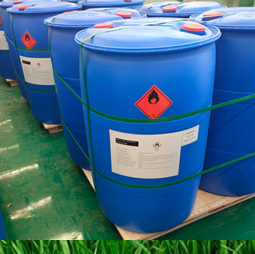
- Scalability: From 200L drums to 20,000L ISO tanks, we handle your volume requirements.
50+ Related Chemicals Available on Our Platform
We provide a comprehensive catalog of industrial solvents and reagents. Here are 50+ chemicals related to the application and production spectrum of Ethyl Acetate:
- Acetone
- Acetic Acid (Glacial)
- Ethanol (Anhydrous)
- Methanol
- n-Butyl Acetate
- Isopropyl Alcohol (IPA)
- Toluene
- Xylene
- Methyl Ethyl Ketone (MEK)
- Cyclohexanone
- Tetrahydrofuran (THF)
- Dichloromethane
- Hexane
- Heptane
- Diethyl Ether
- Dimethylformamide (DMF)
- Dimethyl Sulfoxide (DMSO)
- Propylene Glycol
- Ethylene Glycol
- Glycerin
- Formic Acid
- Propionic Acid
- Methyl Acetate
- Isobutyl Acetate
- Amyl Acetate
- Ethyl Lactate
- Butyl Glycol Ether
- Methyl Isobutyl Ketone (MIBK)
- Benzene
- Chloroform
- Carbon Tetrachloride
- Acetonitrile
- Pyridine
- Piperidine
- Aniline
- Phenol
- Formaldehyde
- Acetaldehyde
- Hydrogen Peroxide
- Nitric Acid
- Sulfuric Acid
- Hydrochloric Acid
- Sodium Hydroxide
- Potassium Hydroxide
- Ammonium Hydroxide
- Triethylamine
- Diethanolamine
- Monoethanolamine
- Polyvinyl Alcohol (PVA)
- Cellulose Acetate
Looking for any of these? Search our full catalog here.
Safety and Handling (MSDS/SDS Summary)
Ethyl Acetate is a flammable liquid (Class 3). Proper handling is non-negotiable:
- Personal Protective Equipment (PPE): Utilize nitrile gloves, chemical splash goggles, and adequate respiratory protection in confined areas.
- Storage: Keep in a cool, well-ventilated area away from sparks, open flames, or oxidizing agents.
- Environmental Impact: While biodegradable, bulk spills must be contained to prevent waterway contamination. Refer to the PubChem Ethyl Acetate Safety Data Sheet for comprehensive toxicology data.
Multi-Language Search Indexing Section
To ensure global accessibility, we include the following multilingual keywords:
- Mandarin Chinese: 乙酸乙酯 (Yǐsuān yǐzhǐ)
- Hindi: एथिल एसीटेट (Ethyl Acetate)
- Spanish: Acetato de etilo
- Arabic: إيثيل أسيتات
- French: Acétate d’éthyle
- Korean: 에틸 아세테이트
- Cantonese: 乙酸乙酯
- Portuguese: Acetato de etila
- Indonesian: Etil Asetat
- Russian: Этилацетат
- German: Ethylacetat
- Japanese: 酢酸エチル
- Vietnamese: Etyl axetat
- Shanghainese: 乙酸乙酯
- Turkish: Etil Asetat
Conclusion
The importance of high-quality Ethyl Acetate cannot be overstated. As a pillar of modern chemical engineering, it requires a supplier that understands the nuances of purity, logistics, and compliance. By integrating supply chain efficiency with technical transparency, ChemicalsSuppliers.com stands as your dedicated partner in chemical procurement.
Are you ready to optimize your chemical supply chain? Visit our homepage today to browse our inventory, download technical data sheets, and speak with a specialist who understands your industry’s unique demands.