Acetone: A Guide to Properties, Uses, Prices, and Where to Buy Propanone & Related Chemicals
Acetone, known systematically as propan-2-one, 2-propanone, or dimethyl ketone, is one of the most important and widely consumed organic solvents on the planet. With the chemical formula CH₃COCH₃ and the condensed structural representation (CH₃)₂CO, this simple yet remarkably versatile ketone is the smallest and most commercially significant member of its family. Whether you encounter it in a nail polish remover, a laboratory reagent bottle, an industrial cleaning bay, or a polymer production facility, acetone’s distinctive sweet, pungent odor and its extraordinary ability to dissolve both polar and nonpolar substances make it an indispensable workhorse across dozens of industries.
The global acetone market is measured in the millions of metric tons annually, and its price dynamics are closely watched by procurement professionals because acetone is a co-product of phenol production via the cumene process. This co-production relationship means that acetone supply is intimately tied to the health of the construction, automotive, and electronics sectors—industries that drive demand for phenol-derived resins and polycarbonate plastics. As of August 2026, international acetone prices ranged from roughly 910 USD per metric ton in China to about 1,190 USD per metric ton at the higher end of the global range, while regional spot prices showed notable variation: North America averaged around US\$1.05 per kilogram, Europe approximately US\$1.32 per kilogram, and Northeast Asia about US\$0.93 per kilogram with a substantial 17.7% month-over-month increase.
Understanding acetone deeply—its chemistry, its safety profile, its industrial applications, and, crucially, where to purchase it alongside a vast catalog of related chemicals at competitive prices—empowers both professional buyers and curious enthusiasts. This comprehensive guide covers everything from acetone’s molecular identity to a detailed listing of more than fifty related chemicals available through [Chemicalssuppliers.com](https://www.chemicalssuppliers.com/), including indicative pricing, so you can make informed procurement decisions.
What Is Acetone? Chemical Identity and Physical Properties
Acetone is a colorless, volatile, highly flammable liquid with a characteristic ethereal-sweet smell. As the simplest saturated ketone, it occupies a foundational position in organic chemistry. Its systematic IUPAC names include propan-2-one and 2-propanone, while its older and widely recognized synonymous names include dimethyl ketone, β-ketopropane, dimethyl formaldehyde, and pyroacetic spirit. In various industries and languages, acetone may also be referred to colloquially as dimethyl carbonyl, ketone propane, or simply “the universal solvent” for its broad solvency power.
Key physical and chemical characteristics of acetone include a molar mass of 58.08 g/mol, a density of approximately 0.7845 g/cm³ at 25°C, a melting point of −94.7°C, and a boiling point of 56.05°C. Because of this low boiling point, acetone evaporates extremely rapidly at room temperature, a property that makes it ideal for cleaning and degreasing applications where residue-free drying is desired. Acetone is miscible (infinitely soluble) with water, ethanol, ether, and most common organic solvents, and it readily dissolves many fats, oils, resins, and polymers, including polystyrene, ABS, and various acrylics[^5,^6].
Acetone also exhibits a relatively high autoignition temperature of 465°C, but its flash point of just −20°C means its vapors can ignite readily at ordinary ambient temperatures in the presence of an ignition source. This remarkable combination—powerful solvency, rapid evaporation, and water miscibility—explains why acetone has been described as both “the industry’s go-to solvent” and a compound that must be handled with careful attention to ventilation and flammability controls[^7].
How Acetone Is Produced
The dominant industrial route to acetone is the cumene process, which accounts for the vast majority of global supply. In this process, benzene is alkylated with propylene to form cumene (isopropylbenzene), which is subsequently oxidized to cumene hydroperoxide and then cleaved under acidic conditions to yield phenol and acetone in roughly a 0.6:0.4 ratio by weight. This means that for every metric ton of phenol produced, approximately 0.4 metric tons of acetone are co-generated. The co-product relationship is so strong that the acetone market frequently experiences price and supply imbalances driven by phenol demand cycles rather than acetone demand alone. In early 2026, for example, US spot acetone prices climbed to around \$1,547 per metric ton FOB US Gulf Coast, the highest level since February 2024, driven by a production squeeze linked to the phenol co-product dynamic[^8].
Secondary production routes include the isopropanol (IPA) dehydrogenation process, in which isopropyl alcohol is passed over a catalyst to yield acetone and hydrogen, and the older Wacker-Hoechst process for direct oxidation of propylene. Smaller quantities of acetone are also recovered as a byproduct of the fermentation processes that generate butanol and ethanol. The flexibility of these routes—especially the IPA route—allows some producers to adjust acetone output in response to price signals, providing a crucial market-balancing mechanism.
Major Industrial Uses and Applications
Acetone’s applications span an extraordinarily wide range because of its dual role as both a direct-use solvent and a chemical intermediate.
Solvent applications dominate acetone’s end-use profile. As a powerful solvent, acetone is used to dissolve and transport acetylene gas safely, to clean and degrease metal surfaces before painting or coating, and to thin or strip resins, lacquers, nail polish, and adhesives. Its rapid evaporation leaves behind no oily residue, which is why it is the preferred cleaning agent in electronics, optics, and precision manufacturing where cleanliness is paramount[^9].
Chemical intermediate applications include the large-scale production of methyl methacrylate (MMA), the monomer used to make polymethyl methacrylate (PMMA), commonly known as acrylic glass or Plexiglas. Acetone is also converted to bisphenol A (BPA) via condensation with phenol—a reaction that consumes enormous volumes of acetone and ties the product directly into the polycarbonate and epoxy resin industries. Other derivatives include methyl isobutyl ketone (MIBK), diacetone alcohol, isophorone, and mesityl oxide, all of which are themselves valuable solvents or intermediates.
Consumer and specialty uses round out the picture. Acetone is the active ingredient in most nail polish removers, a common component of household cleaning products, a critical reagent in analytical and research laboratories, a paint stripper, a fiberglass production solvent, and a component in pharmaceutical manufacturing where it aids in crystallization and extraction. The Australian National Pollutant Inventory notes that acetone is used to make rayon, photographic films, plastics, fibers, and drugs, underscoring its breadth of reach[^10].
Safety, Handling, and Environmental Considerations
Although acetone is classified as a relatively low-toxicity solvent compared to many of its chlorinated and aromatic counterparts, it is by no means without hazard. Acetone is highly flammable (Category 1 flammable liquid), and its vapors can form explosive mixtures with air. It can cause serious eye irritation, and repeated or prolonged skin contact can defat the skin, leading to dryness and cracking. Inhalation of high vapor concentrations can produce dizziness, headache, and central nervous system depression. Proper handling therefore requires the use of nitrile or butyl rubber gloves, adequate ventilation or fume extraction, and strict separation from open flames, sparks, and heat sources[^11].
From an environmental standpoint, acetone is readily biodegradable and has a low tendency to bioaccumulate, which is a significant advantage over persistent organic solvents. However, because it is extremely volatile, atmospheric releases can contribute to photochemical smog formation, and industrial users must comply with volatile organic compound (VOC) regulations. Acetone is also a naturally occurring metabolic byproduct in human physiology—small quantities are produced during fat metabolism—which is one reason it is generally regarded as having lower acute toxicity than many industrial solvents.
Acetone Pricing Outlook and Market Trends
For procurement teams and individual buyers alike, understanding acetone’s price trajectory is essential. The acetone market in 2026 has been characterized by volatility driven by phenol co-production economics, regional demand shifts, and feedstock (benzene and propylene) cost movements. Northeast Asia posted the strongest regional price gain in August 2026 at +17.7% month-over-month, while North America and Europe saw modest declines of −0.9% and −0.8%, respectively[^3]. In June 2026, China’s acetone price stood at approximately \$915.60 per metric ton, while the United States averaged about \$1,070.60 per metric ton, with US prices reaching roughly \$1,214–1,227 per metric ton in April 2026[^5].
Industry analysts at organizations like ICIS, ChemAnalyst, and IMARC Group publish continuous price indices, forecasts, and market intelligence for acetone and its derivatives. Buyers can expect ongoing sensitivity to petrochemical feedstock costs, capacity expansions in Asia, and the health of the downstream polycarbonate and PMMA sectors. For those seeking bulk or drum-level purchases, comparing quotes across suppliers and locking in contracts during cyclical lows can yield substantial savings.
Where to Buy Acetone: Chemicalssuppliers.com
[Chemicalssuppliers.com](https://www.chemicalssuppliers.com/) is a dedicated online marketplace connecting buyers with reliable chemical suppliers for acetone and hundreds of related products. Whether you need a single gallon for a laboratory, drums for a manufacturing line, or full tanker loads for large-scale industrial operations, the platform offers access to verified vendors, transparent pricing guidance, and the convenience of comparing options in one place.
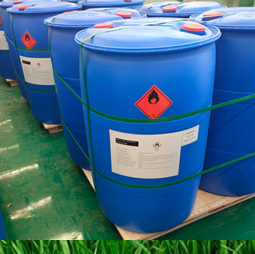
Acetone is typically available in several grades: technical grade (industrial solvent), ACS reagent grade (for analytical and laboratory use), pharmaceutical grade, and electronic grade (high-purity for semiconductor and coatings applications). Prices vary by grade, packaging, and regional logistics. Indicative acetone pricing in August 2026 ranges from approximately US\$0.93 to US\$1.32 per kilogram depending on region and grade[^3,^4]. For current quotes and bulk discounts, visit the [acetone product listings on Chemicalssuppliers.com](https://www.chemicalssuppliers.com/) directly.
For authoritative reference information on acetone’s identity, hazards, and regulatory status, external resources such as [PubChem’s acetone entry](https://pubchem.ncbi.nlm.nih.gov/compound/Acetone) and the [Wikipedia acetone article](https://en.wikipedia.org/wiki/Acetone) provide detailed technical documentation[^6,^11]. Industry pricing intelligence is available from sources like [ICIS](https://www.icis.com/explore/commodities/chemicals/phenol-and-acetone/) and [IMARC Group](https://www.imarcgroup.com/acetone-pricing-report).
Related Chemicals: 50+ Similar Compounds and Where to Buy Them
Acetone belongs to a large family of closely related solvents, ketones, alcohols, and organic compounds that serve similar industrial and laboratory functions. Below is an extensive list of more than fifty related chemicals, each available through [Chemicalssuppliers.com](https://www.chemicalssuppliers.com/), with indicative pricing ranges (where commonly published) to assist in budgeting. Prices are approximate spot-market figures in USD per kilogram or per metric ton and will vary by grade, quantity, and supplier.
Ketones and Solvents
-
Methyl Ethyl Ketone (MEK / 2-Butanone) — A close relative and slightly stronger solvent; widely used in coatings and adhesives. Indicative price: \$1.10–\$1.60/kg.
-
Methyl Isobutyl Ketone (MIBK) — Derived from acetone; a medium-evaporating solvent for lacquers and inks. Indicative price: \$1.50–\$2.20/kg.
-
Diacetone Alcohol — A condensation product of acetone used as a solvent and paint thinner. Indicative price: \$1.20–\$1.80/kg.
-
Isophorone — A high-boiling cyclic ketone solvent from acetone chemistry. Indicative price: \$2.00–\$3.00/kg.
-
Mesityl Oxide — An unsaturated ketone intermediate used in synthesis. Indicative price: \$1.80–\$2.50/kg.
-
Cyclohexanone — A cyclic ketone used in nylon production and as a solvent. Indicative price: \$1.40–\$2.00/kg.
-
Acetophenone — An aromatic ketone used in fragrances and as a photoinitiator. Indicative price: \$3.00–\$5.00/kg.
-
Methyl Amyl Ketone (MAK / 2-Heptanone) — A solvent for nitrocellulose and resins. Indicative price: \$2.00–\$3.00/kg.
-
Diisobutyl Ketone (DIBK) — A slow-evaporating solvent for high-solids coatings. Indicative price: \$2.50–\$3.50/kg.
-
Acetylacetone — A diketone used in coordination chemistry and catalysis. Indicative price: \$4.00–\$6.00/kg.
Alcohols
-
Isopropyl Alcohol (IPA / Isopropanol / 2-Propanol) — The direct precursor to acetone via dehydrogenation. Indicative price: \$0.90–\$1.40/kg.
-
Methanol (Methyl Alcohol) — The simplest alcohol, a common solvent and feedstock. Indicative price: \$0.30–\$0.50/kg.
-
Ethanol (Ethyl Alcohol) — A widely used renewable solvent and beverage alcohol. Indicative price: \$0.60–\$1.00/kg.
-
n-Butanol (1-Butanol) — A solvent and intermediate co-produced with acetone in fermentation routes. Indicative price: \$0.90–\$1.40/kg.
-
Sec-Butanol (2-Butanol) — Used as a solvent and in MEK production. Indicative price: \$1.00–\$1.50/kg.
-
Isobutanol (2-Methyl-1-propanol) — A branched alcohol solvent and gasoline oxygenate precursor. Indicative price: \$0.90–\$1.30/kg.
-
Benzyl Alcohol — An aromatic alcohol used in pharmaceuticals and coatings. Indicative price: \$1.50–\$2.50/kg.
-
Diacetone Alcohol prepolymers and derivatives are also stocked.
-
Propylene Glycol (1,2-Propanediol) — A non-toxic solvent and humectant. Indicative price: \$1.20–\$2.00/kg.
-
Ethylene Glycol (Monoethylene Glycol / MEG) — A major antifreeze and polyester feedstock. Indicative price: \$0.50–\$0.80/kg.
Esters and Ethers
-
Ethyl Acetate — A fast-evaporating, sweet-smelling solvent for inks and coatings. Indicative price: \$0.80–\$1.20/kg.
-
Butyl Acetate (n-Butyl Acetate) — A medium-evaporating lacquer solvent. Indicative price: \$1.00–\$1.60/kg.
-
Methyl Acetate — A fast solvent and acetone alternative in some applications. Indicative price: \$0.70–\$1.10/kg.
-
Propylene Glycol Methyl Ether (PGME / 1-Methoxy-2-propanol) — A glycol ether solvent. Indicative price: \$1.50–\$2.20/kg.
-
Propylene Glycol Methyl Ether Acetate (PGMEA) — A key solvent in semiconductor photoresists. Indicative price: \$1.80–\$2.60/kg.
-
Ethylene Glycol Monobutyl Ether (Butyl Cellosolve) — A solvent for paints and cleaners. Indicative price: \$1.20–\$1.80/kg.
-
Tetrahydrofuran (THF) — A cyclic ether solvent and PVC cement component. Indicative price: \$1.80–\$2.80/kg.
-
1,4-Dioxane — A cyclic diether solvent, though now restricted in many consumer uses. Indicative price: \$1.50–\$2.50/kg.
-
Dimethyl Carbonate (DMC) — A “green” solvent and methylating agent. Indicative price: \$1.00–\$1.50/kg.
-
Methyl tert-Butyl Ether (MTBE) — A gasoline oxygenate (now largely phased out in fuel). Indicative price: \$0.80–\$1.20/kg.
Aromatic and Hydrocarbon Solvents
-
Toluene — A high-solvency aromatic hydrocarbon, a common acetone co-solvent. Indicative price: \$0.70–\$1.00/kg.
-
Xylene (Mixed Xylenes / Dimethylbenzene) — A solvent blend used in paints and coatings. Indicative price: \$0.75–\$1.10/kg.
-
Benzene — The primary feedstock for the cumene process that makes acetone. Indicative price: \$0.80–\$1.20/kg.
-
Cumene (Isopropylbenzene) — The key intermediate that decomposes to phenol and acetone. Indicative price: \$0.90–\$1.30/kg.
-
Styrene (Vinylbenzene) — A monomer for polystyrene and ABS, used with acetone-compatible resins. Indicative price: \$1.00–\$1.50/kg.
-
n-Hexane — A fast-evaporating aliphatic solvent for extraction. Indicative price: \$0.70–\$1.10/kg.
-
Cyclohexane — A hydrocarbon solvent and nylon feedstock. Indicative price: \$0.80–\$1.20/kg.
-
Mineral Spirits / White Spirit — A petroleum-derived cleaning solvent blend. Indicative price: \$0.60–\$0.90/kg.
-
Naphtha (Petroleum Naphtha) — A light hydrocarbon solvent mixture. Indicative price: \$0.50–\$0.80/kg.
-
d-Limonene — A renewable citrus-derived solvent with a pleasant odor. Indicative price: \$2.00–\$4.00/kg.
Halogenated and Specialty Solvents
-
Dichloromethane (Methylene Chloride / DCM) — A powerful but strictly regulated chlorinated solvent. Indicative price: \$0.60–\$1.00/kg.
-
Trichloroethylene (TCE) — A vapor-degreasing solvent, heavily regulated. Indicative price: \$1.00–\$1.50/kg.
-
Perchloroethylene (PCE / Tetrachloroethylene) — Used in dry cleaning. Indicative price: \$0.90–\$1.40/kg.
-
Chloroform (Trichloromethane) — A laboratory solvent and legacy anesthetic. Indicative price: \$0.70–\$1.10/kg.
-
Carbon Tetrachloride — A former solvent now largely banned. Indicative price: \$1.50–\$2.50/kg (restricted).
-
Dimethylformamide (DMF) — A polar aprotic solvent for polymers and synthesis. Indicative price: \$1.00–\$1.60/kg.
-
Dimethyl Sulfoxide (DMSO) — A highly polar aprotic solvent with pharmaceutical uses. Indicative price: \$3.00–\$6.00/kg.
-
N-Methyl-2-pyrrolidone (NMP) — A powerful solvent for resins and electronics. Indicative price: \$2.00–\$3.20/kg.
-
Acetonitrile — A polar solvent used in HPLC and battery electrolytes. Indicative price: \$1.50–\$2.50/kg.
-
N,N-Dimethylacetamide (DMAC) — A polar aprotic solvent for fibers and coatings. Indicative price: \$1.50–\$2.30/kg.
Acids, Bases, and Reagents Commonly Used With Acetone
-
Phenol (Carbolic Acid) — The co-product of acetone production; a precursor to BPA. Indicative price: \$0.90–\$1.40/kg.
-
Bisphenol A (BPA) — Produced from acetone and phenol; a polycarbonate monomer. Indicative price: \$1.50–\$2.20/kg.
-
Methyl Methacrylate (MMA) — A major acetone derivative for PMMA/acrylic production. Indicative price: \$1.60–\$2.40/kg.
-
Sulfuric Acid — A ubiquitous industrial acid used in many acetone-derived syntheses. Indicative price: \$0.05–\$0.15/kg.
-
Hydrogen Peroxide — The oxidant in the cumene process and many other reactions. Indicative price: \$0.30–\$0.60/kg.
-
Sodium Hydroxide (Caustic Soda) — Used in pH adjustment and chemical processing. Indicative price: \$0.25–\$0.50/kg.
-
Hydrochloric Acid (Muriatic Acid) — A common industrial acid and cleaning agent. Indicative price: \$0.08–\$0.20/kg.
-
Ammonia (Anhydrous / Aqueous) — A basic reagent with broad industrial use. Indicative price: \$0.30–\$0.60/kg.
Gases and Other Related Compounds
-
Acetylene — Dissolved in acetone for safe transport and welding use. Indicative price: varies by cylinder size.
-
Hydrogen — A co-product of isopropanol dehydrogenation to acetone. Indicative price: varies by supply mode.
-
Formaldehyde (Methanal) — A related carbonyl compound feedstock; acetone’s older synonym “dimethyl formaldehyde” reflects this kinship. Indicative price: \$0.25–\$0.45/kg.
-
Acetaldehyde (Ethanal) — A related aldehyde used in chemical synthesis. Indicative price: \$0.70–\$1.10/kg.
Every one of the compounds listed above can be sourced through the extensive catalog at [Chemicalssuppliers.com](https://www.chemicalssuppliers.com/), where buyers can request quotes, compare supplier options, and confirm current market pricing for their specific grade and volume requirements. For authoritative safety and regulatory data on these substances, consult resources such as [PubChem](https://pubchem.ncbi.nlm.nih.gov/) and national safety data repositories.
Choosing the Right Grade and Supplier
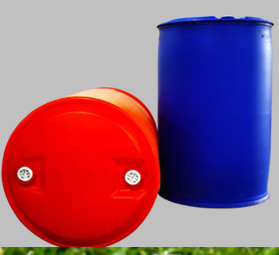
When purchasing acetone or any related chemical, several factors should guide your decision. First, determine the required purity grade—technical, reagent, pharmaceutical, or electronic—because this dramatically affects both price and suitability. Second, consider packaging and logistics: drums, IBC totes, and bulk tanker deliveries each carry different costs and handling requirements. Third, verify regulatory compliance: acetone and many solvents are subject to VOC, transportation, and safety regulations that vary by jurisdiction. Finally, evaluate supplier reliability, including certificates of analysis, safety data sheets (SDS), and delivery lead times.
A trustworthy marketplace simplifies this process by aggregating vetted suppliers and enabling side-by-side comparison. [Chemicalssuppliers.com](https://www.chemicalssuppliers.com/) provides exactly this service, helping both first-time buyers and seasoned procurement managers find the acetone and related solvents they need at competitive, transparent prices.
Conclusion
Acetone—propan-2-one, dimethyl ketone, or simply “the ketone” to chemists—stands as one of the cornerstones of modern industrial chemistry. Its unrivaled combination of powerful solvency, rapid evaporation, water miscibility, and relatively favorable toxicity profile has secured its place in everything from nail salons to semiconductor fabrication plants to the production of the acrylic glass and polycarbonate materials that surround us daily. Understanding its production via the cumene process, its fluctuating market dynamics, and its central role as a feedstock for methyl methacrylate and bisphenol A gives buyers a strategic edge in an often-volatile market.
Whether you require a single liter of reagent-grade acetone or a multi-tonne contract for industrial solvent, sourcing from a reliable platform matters. Explore the extensive product range at [Chemicalssuppliers.com](https://www.chemicalssuppliers.com/) to compare acetone and more than fifty related chemicals, request competitive quotes, and secure the supply your operation needs today.
Global Keyword Reference (Multilingual Synonyms)
To serve a worldwide audience, below are the key terms for “acetone” and related phrases in multiple languages, useful for international procurement, localization, and search optimization.
-
English: Acetone, Propan-2-one, 2-Propanone, Dimethyl Ketone
-
Chinese (中文): 丙酮 (Bǐngtóng)
-
Hindi (हिन्दी): एसीटोन (Aseeton), प्रोपेनोन (Propenon)
-
Spanish (Español): Acetona, Propanona, Dimetilcetona
-
Arabic (العربية): أسيتون (Asitun), بروبانون (Brubanun)
-
French (Français): Acétone, Propanone, Diméthylcétone
-
Bengali (বাংলা): অ্যাসিটোন (Æsiṭon), প্রোপানোন (Propanon)
-
Korean (한국어): 아세톤 (Aseton), 프로판온 (Peuropanon)
-
Portuguese (Português): Acetona, Propanona, Dimetilcetona
-
Indonesian (Bahasa Indonesia): Aseton, Propanon, Dimetil keton
-
Russian (Русский): Ацетон (Atseton), Пропанон (Propanon)
-
German (Deutsch): Aceton, Propanon, Dimethylketon
-
Japanese (日本語): アセトン (Aseton), プロパノン (Puropanon)
-
Vietnamese (Tiếng Việt): Axeton, Propanon, Đimetyl xeton
-
Turkish (Türkçe): Aseton, Propanon, Dimetil keton
Including these multilingual synonyms in your searches and procurement documents can help you connect with global suppliers, negotiate international contracts, and ensure precise specification across language barriers. For sourcing any of the chemicals described in this guide, visit [Chemicalssuppliers.com](https://www.chemicalssuppliers.com/) today.