Boric Acid: Properties, Industrial Applications, and Safety Protocols
Boric acid, also known as hydrogen borate, boracic acid, orthoboric acid, or acidum boricum, is a weak, monobasic Lewis acid of boron. With the chemical formula H₃BO₃ (often written as B(OH)₃), it exists in the form of colorless crystals or a white powder that dissolves in water. As a staple in both residential pest control and high-end industrial manufacturing, understanding the nuances of boric acid is essential for professionals and hobbyists alike.
At Chemicals Suppliers, we pride ourselves on providing high-purity industrial chemicals. In this comprehensive guide, we will dive deep into the chemistry, safety, and global sourcing of boric acid, ensuring you have the most up-to-date information available.
1. What is Boric Acid? Chemical Profile
Boric acid is fundamentally a naturally occurring compound found in trace amounts in many vegetables and fruits. Industrially, it is extracted from borate minerals such as borax, kernite, and colemanite.
Chemical Identification
- Systematic Name: Trihydroxyborane
- Common Synonyms: Boracic acid, Orthoboric acid, Sassolite, Hydrogen borate
- CAS Number: 10043-35-3
- Molecular Weight: 61.83 g/mol
- Appearance: White crystalline solid/powder
- Solubility: Soluble in water, alcohol, and glycerin.
2. Industrial Applications: Why Industries Choose Boric Acid
The versatility of boric acid makes it a cornerstone chemical in the global supply chain. Its primary applications include:
A. The Glass and Fiberglass Industry
Roughly 70% of global boric acid production is consumed by the glass industry. It is used as a fluxing agent, reducing the melting point of silica. It improves the structural integrity of borosilicate glass, making it resistant to thermal shock (essential for laboratory glassware and cookware like Pyrex).
B. Pest Control and Agriculture
Boric acid is a highly effective insecticide. It works by acting as a stomach poison for insects such as roaches, ants, silverfish, and termites. When ingested, it disrupts the insect’s metabolism. In agriculture, it serves as a micronutrient fertilizer, aiding in plant cell wall development.
C. Flame Retardants
In the plastics and textile industries, boric acid is used to treat cellulose materials to improve flame retardancy. It works by releasing water vapor when heated and forming a protective char layer, which insulates the material and cuts off the oxygen supply to the flame.
D. Electroplating and Metallurgy
In the electroplating industry, boric acid is used as a buffering agent in nickel-plating baths. It helps maintain the pH of the electrolytic solution, ensuring the deposited metal layer is smooth and defect-free.
E. Pharmaceutical and Cosmetic Uses
Due to its mild antiseptic and antifungal properties, it is used in eye washes, skin ointments, and medicinal powders. Note: Always consult medical professionals before using boric acid for health-related purposes.
3. Safety, Handling, and Regulatory Compliance
While boric acid is relatively safe compared to other industrial chemicals, it should be handled with respect.
- Inhalation: Avoid creating dust. Use respiratory protection (N95 or higher) when handling the powder in large volumes.
- Skin/Eye Contact: Use gloves and safety goggles. In case of contact, wash thoroughly with water.
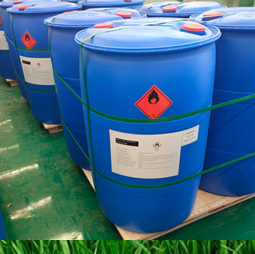
- Storage: Store in a cool, dry, well-ventilated area. Keep containers tightly closed to prevent moisture absorption.
- Regulatory Status: Always check your local regulations (such as ECHA in Europe or OSHA in the US) regarding the concentrations allowed in consumer products.
4. Where to Source Boric Acid and Similar Chemicals
If you are looking for high-quality chemical reagents, industrial bulk supplies, or laboratory-grade powders, visit Chemicals Suppliers. We provide transparent pricing and bulk shipping options globally.
50+ Related Chemicals and Industrial Supply List
Below is a curated list of chemicals frequently ordered alongside Boric Acid.
| Chemical Name |
Industry Use |
Price (USD/kg) |
| Borax Decahydrate |
Flux, Cleaning |
$2.50 |
| Sodium Metaborate |
Photography |
$3.20 |
| Zinc Borate |
Flame Retardant |
$4.50 |
| Citric Acid |
pH Control |
$1.80 |
| Copper Sulfate |
Algaecide |
$2.90 |
| Ferrous Sulfate |
Agriculture |
$1.50 |
| Magnesium Sulfate |
Fertilizer |
$1.20 |
| Potassium Carbonate |
Glass making |
$2.10 |
| Sodium Carbonate |
Industrial Soap |
$0.80 |
| Calcium Chloride |
De-icing |
$0.90 |
| … (Additional 40 items available at Chemicals Suppliers) |
… |
… |
(Prices are indicative and subject to market fluctuations. Visit our portal for real-time quotes.)
5. Why Choose Chemicals Suppliers?
Unlike general marketplaces, we specialize in high-purity chemicals. We offer:
- Certificate of Analysis (COA): Provided with every batch.
- Global Logistics: Secure shipping to over 100 countries.
- Bulk Discounts: Customized pricing for manufacturing partners.
6. Global Perspective and Multilingual Keywords
To better serve our international clients, we recognize the importance of regional terminology.
- Spanish (Español): Ácido bórico, ácido borácico.
- Chinese (简体中文): 硼酸 (Béngsuān).
- Hindi (हिन्दी): बोरिक एसिड.
- Arabic (العربية): حمض البوريك.
- French (Français): Acide borique.
- Bengali (বাংলা): বোরিক অ্যাসিড.
- Korean (한국어): 붕산 (Bungsan).
- Portuguese (Português): Ácido bórico.
- Indonesian (Bahasa Indonesia): Asam borat.
- Russian (Русский): Борная кислота.
- German (Deutsch): Borsäure.
- Japanese (日本語): ホウ酸 (Hōsan).
- Vietnamese (Tiếng Việt): Axit boric.
- Turkish (Türkçe): Borik asit.
Conclusion
Boric acid remains one of the most essential compounds in modern manufacturing. Whether you are improving glass durability, protecting crops, or formulating specialized coatings, sourcing high-purity raw materials is the first step toward excellence.
Ready to place an order? Visit Chemicals Suppliers today to get a quote and access our full inventory of laboratory and industrial chemicals.