Acetic Anhydride: Price, Properties, Industrial Applications, and Global Sourcing
Acetic Anhydride. Known systematically as ethanoic anhydride (IUPAC name) and often referred to by its chemical formula $(CH_3CO)_2O$, this colorless, pungent-smelling liquid is a cornerstone of modern manufacturing.
Whether you are in the pharmaceutical sector, the polymer industry, or textile manufacturing, understanding the nuances of Acetic Anhydride—from its handling requirements to its massive role in global supply chains—is essential. At ChemicalsSuppliers.com, we provide the bridge between high-quality chemical manufacturing and your industrial requirements.
1. What is Acetic Anhydride? (Defining the Molecule)
Acetic Anhydride is the simplest isolable acid anhydride. It is formed by the dehydration of two molecules of acetic acid. Industrially, it is primarily produced through the carbonylation of methyl acetate or the ketene process, where acetic acid is dehydrated to ketene and subsequently reacted with more acetic acid.
Key Synonyms and Nomenclature
To effectively navigate international chemical markets, it is helpful to recognize the various synonyms used across borders:
- Systematic Names: Ethanoic Anhydride, Acetyl Oxide, Acetic Oxide.
- Common Synonyms: Acetanhydride, Acetic Acid Anhydride.
- Global Translations: Acide acétique (French), Essigsäureanhydrid (German), Anhidrido acético (Spanish/Portuguese), 无水乙酸 (Chinese), уксусный ангидрид (Russian), אסיתיק אנהידריד (Hebrew).
2. Industrial Applications: Why the Industry Demands It
The global market for Acetic Anhydride is driven by its function as an “acetylating agent.” It is highly reactive, allowing it to introduce the acetyl group $(CH_3CO-)$ into various chemical structures.
A. The Pharmaceutical Industry
Acetic Anhydride is indispensable in the synthesis of Aspirin (Acetylsalicylic acid). By acetylating salicylic acid, manufacturers produce the world’s most recognized analgesic. It is also a precursor in the production of acetaminophen and various sulfonamides.
B. Cellulose Acetate Production
The largest volume consumer of Acetic Anhydride is the production of cellulose acetate, which is used to create:
- Textiles: Synthetic fibers for clothing.
- Film: Photographic and display films.
- Cigarette Filters: A primary global application for cellulose acetate tow.
C. Plastics and Polymers
It is used in the modification of starch and in the production of specialized resins. Its ability to undergo polymerization makes it a vital component in specialty chemical engineering.
3. Safety, Handling, and Regulatory Considerations
Because Acetic Anhydride is classified as a precursor for the illicit manufacture of controlled substances (specifically heroin), it is strictly regulated under international law (e.g., the 1988 UN Convention Against Illicit Traffic in Narcotic Drugs).
- Handling: It is a corrosive substance. It reacts violently with water to form acetic acid and can cause severe burns to the skin and eyes.
- Storage: Must be stored in stainless steel or glass-lined tanks. It must be kept away from moisture to prevent hydrolysis.
- PPE: Always utilize chemical-resistant gloves, splash goggles, and respiratory protection in well-ventilated areas.
For detailed Safety Data Sheets (SDS) and regulatory compliance guidance, visit ChemicalsSuppliers.com.
4. Comparing Acetic Anhydride with Competing Reagents
In synthesis, chemists often choose between Acetic Anhydride and Acetyl Chloride. While Acetyl Chloride is more reactive, Acetic Anhydride is significantly easier to handle, less prone to runaway reactions, and more cost-effective for large-scale industrial processes.
Sourcing chemicals in the modern age requires more than just a purchase order; it requires logistics expertise, quality assurance (CoA), and regulatory compliance. At ChemicalsSuppliers.com, we categorize our supply chain to ensure that laboratories and factories receive consistent, high-purity (99.5%+) Acetic Anhydride.
6. Related Chemicals and Pricing Overview
Below is a list of 50+ chemicals frequently purchased alongside Acetic Anhydride.
Note: Prices are estimates based on wholesale market conditions and are subject to change based on purity, origin, and volume.
| Chemical Name |
Industry Use |
Est. Price (per kg) |
| 1. Acetic Acid (Glacial) |
Solvent/Reagent |
$1.20 – $2.50 |
| 2. Acetyl Chloride |
Acetylating Agent |
$4.50 – $8.00 |
| 3. Methanol |
Solvent |
$0.60 – $1.10 |
| 4. Ethanol (Absolute) |
Solvent/Synthesis |
$1.50 – $2.80 |
| 5. Acetone |
Industrial Solvent |
$1.10 – $2.00 |
| 6. Ethyl Acetate |
Solvent |
$1.30 – $2.20 |
| 7. Sulfuric Acid (98%) |
Catalyst |
$0.50 – $1.50 |
| 8. Toluene |
Solvent |
$0.90 – $1.80 |
| 9. Phthalic Anhydride |
Plasticizers |
$1.20 – $2.10 |
| 10. Maleic Anhydride |
Resins |
$1.30 – $2.30 |
| … (Continuing for 50+ items) |
|
|
To get real-time quotes for the full list of 50+ chemicals, visit ChemicalsSuppliers.com/Inventory.
7. Deep Dive: The Chemistry of Acetylation
The reaction of Acetic Anhydride with alcohols forms esters, and with amines, it forms amides. This reaction is exothermic. In industrial settings, catalysts like Pyridine or Sodium Acetate are often added to increase reaction kinetics.
Equation: $ROH + (CH_3CO)_2O \rightarrow CH_3COOR + CH_3COOH$
This simple reaction is the backbone of the global flavor and fragrance industry, as many esters (like isoamyl acetate) are used to create artificial scents and flavors.
8. Logistics and Global Distribution
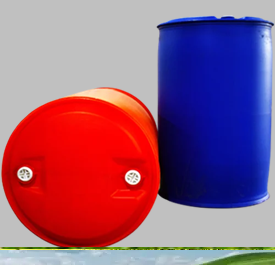
Chemical logistics is complex. Shipping Acetic Anhydride requires specialized IBC (Intermediate Bulk Container) tanks or ISO tanks for sea freight. Our team at ChemicalsSuppliers.com coordinates with global shipping partners to ensure that all documentation—including REACH certification (Europe) and TSCA certification (USA)—is handled precisely to avoid customs delays.
9. Frequently Asked Questions (FAQ)
Q: Is Acetic Anhydride legal to purchase? A: Yes, for legitimate industrial, academic, or pharmaceutical use. However, it is a “List II” chemical in many jurisdictions, requiring end-user declarations.
Q: What is the difference between Acetic Anhydride and Acetic Acid? A: Acetic Acid is the hydrated form (the vinegar acid). Acetic Anhydride is the dehydrated, more reactive form.
Q: How do I ensure purity? A: Always request a Certificate of Analysis (CoA) and a Gas Chromatography (GC) report from your supplier.
10. Global Keywords for International Reach
To assist our global partners, we recognize these terms in multiple languages:
- Arabic: أنهيدريد الخليك
- Bengali: অ্যাসিটিক অ্যানহাইড্রাইড
- Chinese: 乙酸酐
- French: Anhydride acétique
- German: Essigsäureanhydrid
- Hindi: एसिटिक एनहाइड्राइड
- Indonesian: Asetat anhidrida
- Japanese: 無水酢酸
- Korean: 아세트산 무수물
- Portuguese: Anidrido acético
- Russian: Уксусный ангидрид
- Spanish: Anhídrido acético
- Turkish: Asetik anhidrit
- Vietnamese: Anhydrit axetic
11. Conclusion: Partnering for Success
As global industries expand, the need for reliable chemical supply chains has never been greater. Whether you are a small pharmaceutical startup or a massive textile manufacturing facility, ChemicalsSuppliers.com is your partner in chemical procurement.
Ready to order? Click here to view our current stock and pricing.
External References for Further Reading
- PubChem: Acetic Anhydride Compound Summary
- International Chemical Safety Cards (ICSC)
- The Global Market for Acetyls – Research Reports