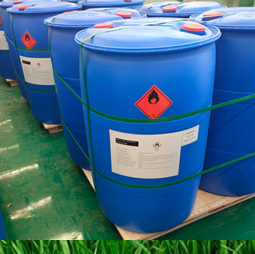
Chromic Acid: A Guide to Properties, Industrial Applications, and Safe Sourcing
Chromic acid, known in the scientific community by its systematic name chromium(VI) oxide or by its formula H₂CrO₄, is a powerful oxidizing agent that serves as a cornerstone of modern industrial chemistry. Whether you are involved in metal finishing, high-end organic synthesis, or specialized laboratory research, understanding the complexities of chromic acid is essential for operational success and safety.
At ChemicalsSuppliers.com, we specialize in bridging the gap between high-purity chemical manufacturing and industrial end-users. This guide serves as the definitive resource on chromic acid, its derivatives, and how to source industrial chemicals globally.
1. What is Chromic Acid? (Defining the Compound)
Chromic acid is a strong, highly acidic, and intensely oxidizing substance. In its anhydrous form, it appears as a dark red, crystalline solid known as chromium trioxide (CrO₃). When dissolved in water, the equilibrium shifts to form H₂CrO₄.
Common Synonyms and Systematic Names
To ensure you are searching for the correct material in international supply chains, familiarize yourself with these names:
- Systematic Name: Dihydroxydioxochromium
- Common Synonyms: Chromium(VI) oxide, Chromic anhydride, Anhydrous chromic acid, Tetraoxochromic acid.
- IUPAC Name: Dioxidodihydroxychromium.
Physical and Chemical Properties
- Molecular Weight: 118.01 g/mol
- Appearance: Deep red, deliquescent crystals.
- Solubility: Highly soluble in water.
- Reactivity: Extremely potent oxidizer; reacts violently with organic materials (paper, solvents, oil).
2. Industrial Applications: Why Chromic Acid Matters
The utility of chromic acid is vast, spanning from decorative aesthetics to structural integrity.
A. Electroplating and Metal Finishing
The primary use of chromic acid is in the chrome plating industry. It provides the electrolyte bath required to deposit a layer of chromium onto a metal surface. This process (Hard Chrome Plating) is used for:
- Increasing wear resistance.
- Improving corrosion resistance.
- Reducing friction.
B. Organic Synthesis
In laboratory settings, chromic acid is famously used in the Jones Oxidation, a process used to convert primary alcohols into carboxylic acids and secondary alcohols into ketones. Its aggressive oxidizing nature makes it a “go-to” reagent for precision chemical transformations.
C. Surface Treatments
Chromic acid is used extensively in the aerospace and automotive industry for anodizing aluminum. By creating an oxide layer, the metal becomes significantly more durable and receptive to dyes or protective coatings.
3. Safety, Handling, and Environmental Compliance
Warning: Chromium(VI) compounds are highly toxic and carcinogenic.
When working with chromic acid, strict adherence to OSHA and REACH standards is mandatory.
- Personal Protective Equipment (PPE): Always utilize chemical-resistant gloves (Butyl or Nitrile), full face shields, and chemical-resistant coveralls.
- Storage: Keep away from volatile organic compounds (VOCs), fuels, and reducing agents.
- Environmental Regulations: Due to the toxicity of hexavalent chromium, wastewater containing chromic acid must be treated (usually via reduction to Cr(III) followed by precipitation) before discharge.
For more information on legal handling, visit the Environmental Protection Agency (EPA) page on Chromium.
4. Where to Buy Chemicals: The Chemicalssuppliers.com Advantage
Finding a reliable supplier for industrial chemicals is often the biggest hurdle for project managers. At ChemicalsSuppliers.com, we offer a centralized procurement platform that ensures:
- Purity Assurance: All chemicals are tested for grade (Reagent, ACS, Technical).
- Global Logistics: We handle the complex compliance paperwork required for transporting hazardous materials across borders.
- Competitive Pricing: By aggregating demand, we offer wholesale rates that beat standard distributor markup.
5. Related Chemicals and Procurement Guide
Below is a curated list of chemical compounds often sourced alongside Chromic Acid. All of these are available through our portal at ChemicalsSuppliers.com.
| No |
Chemical Name (Synonym) |
Primary Use |
Est. Price (USD/kg) |
| 1 |
Potassium Dichromate |
Oxidizing Agent |
$15 – $25 |
| 2 |
Sodium Dichromate |
Metal Finishing |
$8 – $12 |
| 3 |
Chromic Sulfate |
Leather Tanning |
$10 – $18 |
| 4 |
Chromic Chloride |
Catalyst |
$22 – $35 |
| 5 |
Nitric Acid (Reagent) |
Acidic Bath |
$5 – $10 |
| 6 |
Sulfuric Acid (98%) |
Catalyst/Bath |
$2 – $6 |
| 7 |
Hydrogen Peroxide (50%) |
Oxidizer |
$4 – $9 |
| 8 |
Nickel Sulfate |
Electroplating |
$12 – $20 |
| 9 |
Copper Sulfate |
Electroplating |
$4 – $8 |
| 10 |
Cobalt Chloride |
Pigment |
$40 – $60 |
| 11 |
Zinc Chloride |
Fluxing |
$6 – $12 |
| 12 |
Ammonium Molybdate |
Catalyst |
$30 – $50 |
| 13 |
Silver Nitrate |
Analytical Chem |
$200 – $350 |
| 14 |
Boric Acid |
Buffering |
$3 – $7 |
| 15 |
Oxalic Acid |
Cleaning |
$5 – $10 |
| 16 |
Ferric Chloride |
Etching |
$4 – $9 |
| 17 |
Potassium Hydroxide |
pH Adjustment |
$3 – $8 |
| 18 |
Sodium Hydroxide |
pH Adjustment |
$2 – $5 |
| 19 |
Phosphoric Acid |
Acidic Bath |
$4 – $10 |
| 20 |
Hydrochloric Acid |
Etching |
$2 – $5 |
| 21 |
Acetic Acid (Glacial) |
Solvent |
$5 – $12 |
| 22 |
Formic Acid |
Reducing Agent |
$8 – $15 |
| 23 |
Citric Acid |
Chelating Agent |
$3 – $6 |
| 24 |
EDTA Disodium |
Metal Sequestry |
$7 – $14 |
| 25 |
Potassium Permanganate |
Oxidizer |
$10 – $18 |
| 26 |
Sodium Bisulfite |
Reducer |
$3 – $6 |
| 27 |
Sodium Metabisulfite |
Wastewater |
$3 – $6 |
| 28 |
Calcium Carbonate |
Neutralizing |
$1 – $3 |
| 29 |
Magnesium Oxide |
Refractory |
$5 – $10 |
| 30 |
Aluminum Sulfate |
Flocculant |
$2 – $5 |
| 31 |
Tin Sulfate |
Electroplating |
$30 – $45 |
| 32 |
Lead Nitrate |
Laboratory |
$25 – $40 |
| 33 |
Manganese Dioxide |
Catalyst |
$8 – $15 |
| 34 |
Barium Chloride |
Analytical |
$10 – $20 |
| 35 |
Cadmium Oxide |
Specialized Paint |
$50 – $80 |
| 36 |
Selenium Dioxide |
Synthesis |
$100 – $150 |
| 37 |
Vanadium Pentoxide |
Catalyst |
$60 – $90 |
| 38 |
Tungsten Trioxide |
Pigment |
$70 – $110 |
| 39 |
Zirconium Dioxide |
Ceramics |
$20 – $40 |
| 40 |
Titanium Dioxide |
Pigment |
$3 – $6 |
| 41 |
Iron(III) Oxide |
Pigment |
$2 – $5 |
| 42 |
Zinc Oxide |
Rubber/Ceramic |
$4 – $8 |
| 43 |
Nickel(II) Chloride |
Electroplating |
$15 – $25 |
| 44 |
Potassium Cyanide |
Electroplating |
$50 – $100 |
| 45 |
Sodium Cyanide |
Electroplating |
$40 – $70 |
| 46 |
Ammonium Persulfate |
Etching |
$7 – $12 |
| 47 |
Sodium Nitrate |
Oxidizer |
$3 – $6 |
| 48 |
Potassium Chlorate |
Oxidizer |
$12 – $20 |
| 49 |
Sodium Chlorite |
Bleaching |
$5 – $10 |
| 50 |
Urea |
Industrial |
$1 – $3 |
Note: Prices are estimates based on bulk international market trends as of Q3 2024. Please visit ChemicalsSuppliers.com for real-time quotes based on your volume and shipping destination.
6. Global Standards and Trends
The chemical supply chain is currently shifting toward “Green Chemistry.” Many industries are looking for alternatives to hexavalent chromium (Cr6+), such as Trivalent Chromium (Cr3+) plating. While Cr3+ is less toxic and environmentally friendly, Cr6+ (Chromic Acid) remains the industry standard for performance-critical applications where maximum hardness and corrosion resistance are non-negotiable.
Global Chemical Terminology for Procurement
To facilitate international business, here is how to search for or request Chromic Acid in various languages:
- Hindi (हिंदी): क्रोमिक एसिड (Chromic Acid)
- Chinese (中文): 铬酸 (Luòsuān)
- Spanish (Español): Ácido crómico
- Arabic (عربي): حمض الكروميك (Hamd al-krumik)
- French (Français): Acide chromique
- Bengali (বাংলা): ক্রোমিক অ্যাসিড
- Korean (한국어): 크롬산 (Keu-rom-san)
- Portuguese (Português): Ácido crômico
- Indonesian (Bahasa Indonesia): Asam kromat
- Russian (Русский): Хромовая кислота (Khromovaya kislota)
- German (Deutsch): Chromsäure
- Japanese (日本語): クロム酸 (Kuromusan)
- Vietnamese (Tiếng Việt): Axit cromic
- Turkish (Türkçe): Kromik asit
7. Why Choose Our Sourcing Platform?
At ChemicalsSuppliers.com, we provide:
- Direct Manufacturer Access: Eliminating middlemen to ensure the lowest possible overhead.
- Safety Compliance: Every shipment includes the required Material Safety Data Sheets (MSDS) and Certificates of Analysis (COA).
- Traceability: We ensure that all products meet international ISO standards.
- Bulk Solutions: Whether you need a 25kg drum or a 20-foot container, our logistics team handles the complexity of hazardous goods shipping.
How to Get Started
- Visit our website: ChemicalsSuppliers.com
- Use the search bar to find “Chromic Acid” or any of the 50+ chemicals listed above.
- Click “Request Quote” to inform our sales team of your location and quantity requirements.
- Receive a competitive invoice including shipping, insurance, and compliance documentation.
8. Conclusion: The Future of Industrial Chemicals
Chromic acid remains an indispensable tool for the modern industrial world. Whether it is keeping our tools sharp through hard chrome plating or facilitating breakthroughs in chemical research, the demand for high-purity Cr(VI) compounds is steady. However, the importance of sourcing from reputable suppliers who prioritize safety, environmental regulations, and purity cannot be overstated.
By choosing ChemicalsSuppliers.com, you are choosing a partner dedicated to global supply chain excellence.
Disclaimer: The chemical compounds listed herein are intended for industrial and professional use only. Always consult your local safety regulations and MSDS before handling hazardous chemicals. The prices provided are estimates and subject to market volatility. Please contact our sales team at ChemicalsSuppliers.com for official quotes.
For further reading and research: