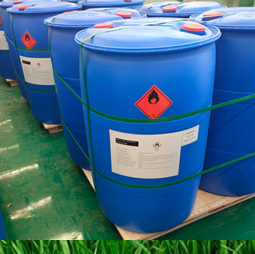
Pyridine: Properties, Industrial Applications, and Global Sourcing
Pyridine (CAS No. 110-86-1). Often described as the “workhorse of the fine chemical industry,” pyridine serves as a foundational building block for everything from life-saving pharmaceuticals and high-yield agrochemicals to advanced material science.
At ChemicalsSuppliers.com, we recognize that clarity, quality, and accessibility are paramount when sourcing specialized chemical raw materials. This comprehensive guide delves into every facet of pyridine—its chemistry, its global market, and why it remains an indispensable asset for chemical procurement professionals worldwide.
What is Pyridine? (The Chemical Foundation)
Pyridine is a nitrogen-containing heterocyclic organic compound with the chemical formula C₅H₅N. Structurally, it is similar to benzene, but with one methine group (=CH−) replaced by a nitrogen atom. This seemingly minor substitution alters the electron distribution significantly, granting pyridine a unique set of physical and chemical properties.
Key Characteristics:
- Appearance: Colorless to slightly yellowish liquid.
- Odor: Distinctive, pungent, fish-like, and unpleasant.
- Solubility: Highly miscible with water and almost all organic solvents.
- Basicity: It acts as a weak base, forming salts with mineral acids.
- Aromaticity: Exceptionally stable due to its aromatic sextet, yet susceptible to nucleophilic substitution in specific conditions.
For industrial procurement, understanding the purity grades—typically ranging from Technical Grade (99%) to HPLC and ACS Reagent Grade (99.9%+)—is critical for ensuring consistent reaction yields.
Global Industrial Applications
Pyridine and its derivatives are utilized across massive sectors. If you are sourcing for a production facility, here is where these molecules find their “home”:
1. The Pharmaceutical Industry
Pyridine is the scaffold for a significant portion of modern medicine. It is found in:
- Antihistamines: Such as Mepyramine.
- Anti-tuberculosis drugs: Like Isoniazid.
- Proton Pump Inhibitors (PPIs): Used for acid reflux treatment.
- Vitamin B3 (Niacin): Produced through the oxidation of picolines derived from pyridine.
2. Agrochemicals
The agricultural sector relies on pyridine derivatives to create potent herbicides and insecticides. Compounds like Paraquat and Chlorpyrifos (though restricted in some regions) trace their roots to pyridine chemistry. It is also essential in the production of modern, low-toxicity pesticides that are vital for food security.
3. Solvent and Catalyst Applications
Beyond its use as a reagent, liquid pyridine is an excellent solvent for acylation and halogenation reactions. It coordinates with metal ions, making it a valuable ligand in organometallic catalysis.
Sourcing and Pricing: The Market Landscape
In the current global economic climate, the price of pyridine is subject to fluctuations in the cost of petrochemical precursors (acetaldehyde and ammonia) and the regulatory landscape in major production hubs like China and India.
- Note on Pricing: Market prices for Pyridine are typically quoted in USD per Metric Ton (MT) for bulk orders or USD per Liter for laboratory quantities. As of 2024, pricing for industrial-grade pyridine averages between $2,800 and $4,200 per MT, depending on origin, purity, and shipping volume. For real-time quotes, visit our Product Inquiry Page.
50 Examples of Pyridine-Based Chemicals & Derivatives
To understand the breadth of this field, consider these 50 common variations and related chemicals used in industrial synthesis:
- 2-Picoline
- 3-Picoline
- 4-Picoline
- 2,6-Lutidine
- 2,4,6-Collidine
- 2-Chloropyridine
- 3-Chloropyridine
- 4-Chloropyridine
- 2-Aminopyridine
- 3-Aminopyridine
- 4-Aminopyridine
- Nicotinic Acid (Niacin)
- Isonicotinic Acid
- Pyridine-N-oxide
- 2-Cyanopyridine
- 3-Cyanopyridine
- 4-Cyanopyridine
- 2-Methoxypyridine
- 3-Hydroxypyridine
- 2-Bromopyridine
- 3-Bromopyridine
- 2-Fluoropyridine
- 2,6-Dichloropyridine
- Sulfapyridine
- Bis(2-pyridyl)ketone
- 2-Vinylpyridine
- 4-Vinylpyridine
- 2-Ethylpyridine
- 3-Ethylpyridine
- 4-Ethylpyridine
- Picolinic Acid
- Dipicolinic Acid
- 2-Mercaptopyridine
- 2-Nitropyridine
- 3-Nitropyridine
- 3,5-Dibromopyridine
- Pyridinium chlorochromate (PCC)
- Pyridinium dichromate (PDC)
- 2-Acetylpyridine
- 3-Acetylpyridine
- 4-Acetylpyridine
- 2,3-Lutidine
- 2,4-Lutidine
- 2,5-Lutidine
- 3,4-Lutidine
- 3,5-Lutidine
- 2-Trifluoromethylpyridine
- 3-Trifluoromethylpyridine
- 4-Trifluoromethylpyridine
- 2-Cyanopyridine
Why Choose ChemicalsSuppliers.com?
At ChemicalsSuppliers.com, we bridge the gap between high-volume manufacturers and laboratory researchers. Our platform provides:
- Verified Suppliers: We audit our partners to ensure they meet international ISO standards.
- Logistics Transparency: We provide clear freight options, essential when handling hazardous materials like pyridine (UN 1282).
- Competitive Pricing: By aggregating demand, we offer bulk pricing that traditional local chemical distributors cannot match.
- Technical Documentation: Access to CoAs (Certificate of Analysis), MSDS (Material Safety Data Sheets), and technical data sheets for every batch.
How to Buy: Visit ChemicalsSuppliers.com, enter “Pyridine” in our search bar, and select the quantity and purity grade that fits your project. Our automated quoting system will provide an estimated landed cost within minutes.
External Resources for Further Learning
To ensure you have the best information, we recommend consulting these authoritative sources:
Multi-Language Search Indexing
To assist researchers and procurement officers globally, we recognize the following terms for Pyridine:
- Mandarin Chinese (Simplified): 吡啶 (Bǐdìng)
- Hindi: पाइरीडीन (Pyridine)
- Spanish: Piridina
- Arabic: بيريدين (Bayridin)
- French: Pyridine
- Korean: 피리딘 (Piridin)
- Yue Chinese (Cantonese): 吡啶 (Bei Ding)
- Portuguese: Piridina
- Indonesian: Piridina
- Russian: Пиридин (Piridin)
- German: Pyridin
- Japanese: ピリジン (Pirijin)
- Vietnamese: Pyridin
- Wu Chinese (Shanghainsese): 吡啶 (Bi Ding)
- Turkish: Piridin
Conclusion
Pyridine is far more than just a solvent; it is the skeletal structure upon which modern life-improving chemicals are built. Whether you are an industrial manufacturer looking for long-term supply contracts or a research laboratory needing high-purity reagents, ChemicalsSuppliers.com is your dedicated partner in the global supply chain.
Secure your supply today. Visit our website, explore our inventory, and let us help you catalyze your next breakthrough.