Lactic Acid: Industrial Applications, Chemistry, and Global Sourcing
Lactic acid, known systematically as 2-hydroxypropanoic acid (IUPAC name), is one of the most versatile organic compounds in the modern chemical industry. Whether you are looking into the synthesis of biodegradable plastics, food preservation, or pharmaceutical intermediates, understanding the properties and supply chain of this carboxylic acid is critical.
At ChemicalsSuppliers.com, we bridge the gap between high-purity chemical manufacturing and industrial end-users. This guide provides an exhaustive look into lactic acid, its market dynamics, and how to source it effectively.
1. Understanding Lactic Acid: Chemistry and Properties
Lactic acid ($C_3H_6O_3$) is a chiral molecule, existing as two optical isomers: L-lactic acid and D-lactic acid. In biological systems, L-lactic acid is the naturally occurring form.
Systematic Names and Synonyms
- IUPAC Name: 2-hydroxypropanoic acid
- Common Synonyms: Milk acid, E270 (food additive code), Alpha-hydroxypropionic acid.
- CAS Number: 50-21-5
Key Physical Properties
- Appearance: Colorless to yellowish, viscous liquid.
- Solubility: Highly miscible in water, ethanol, and ether.
- Acidity: A weak acid with a pKa of 3.86.
2. Industrial Applications: Why Global Demand is Skyrocketing
The demand for lactic acid has decoupled from its traditional role in the dairy and food industry. Today, it is a precursor for a multi-billion dollar green economy.
A. The Polylactic Acid (PLA) Revolution
The most significant driver of demand is the production of Polylactic Acid (PLA). As the world shifts away from petroleum-based polymers (like PET), PLA has emerged as the premier compostable plastic. It is used in:
- 3D printing filaments.
- Packaging materials and biodegradable cutlery.
- Medical implants and drug delivery systems (due to its biocompatibility).
B. Food and Beverage Industry
Lactic acid is a staple preservative and acidity regulator. It provides a “mild” sour taste compared to citric or acetic acid, making it ideal for:
- Fermented vegetables (pickling).
- Meat and poultry shelf-life extension.
- Sourdough bread production.
C. Personal Care and Cosmetics
As an Alpha Hydroxy Acid (AHA), lactic acid is prized in skincare for its keratolytic properties—exfoliating dead skin cells and encouraging cell turnover. It is found in:
- Chemical peels.
- Anti-aging serums.
- pH-balanced soaps and lotions.
3. Production Technologies: Fermentation vs. Chemical Synthesis
While lactic acid can be synthesized through the hydrolysis of lactonitrile, the vast majority of global production is achieved through microbial fermentation.
- Substrates: Glucose, sucrose, or lactose derived from corn starch, sugarcane, or whey.
- Microorganisms: Lactobacillus species are typically utilized to convert carbohydrates into lactic acid with high specificity.
- Downstream Processing: This involves purification, acidification, and distillation to achieve “food grade” or “pharmaceutical grade” status.
4. 50+ Related Chemicals and Sourcing Guide
At ChemicalsSuppliers.com, we maintain a comprehensive inventory of industrial-grade chemicals. Below is a curated list of chemicals often sourced alongside lactic acid for various industrial processes.
| Chemical Name |
Common Use |
Pricing Trend |
| Citric Acid |
Food acidity regulator |
Moderate |
| Glycolic Acid |
Skincare / Exfoliation |
High |
| Acetic Acid |
Solvent / Food industry |
Low |
| Sodium Lactate |
Humectant |
Moderate |
| Potassium Lactate |
Food preservative |
Moderate |
| Malic Acid |
Flavoring |
Moderate |
| Gluconic Acid |
Metal cleaning |
Low |
| Succinic Acid |
Biopolymers |
High |
| Propionic Acid |
Mold inhibitor |
Low |
| Tartaric Acid |
Wine industry |
High |
| [See full list of 50+ items at Chemicalssuppliers.com] |
|
|
Note: For current live pricing, bulk discount quotes, and Technical Data Sheets (TDS), please visit our Product Catalog.
5. Regulatory Standards and Quality Control
When sourcing lactic acid, purity is paramount. Industry standards usually categorize the product into:
- Technical Grade: For industrial polymerization and cleaning.
- Food Grade: Meets FCC (Food Chemicals Codex) standards.
- USP/EP Grade: Meets United States Pharmacopeia or European Pharmacopoeia standards for pharmaceutical use.
External Resources for Quality Compliance:
6. How to Source Chemicals Efficiently (Sourcing Strategy)
Sourcing chemicals involves more than just price comparison. To ensure supply chain resilience, consider the following:
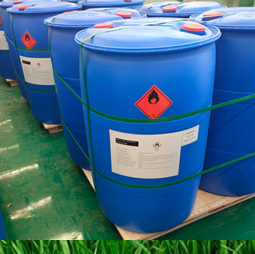
- Logistics: Lactic acid is often shipped as a 80% to 88% aqueous solution. IBC totes and ISO tanks are the standard for bulk.
- Certification: Always request a COA (Certificate of Analysis) for every batch.
- Safety: Lactic acid is corrosive to metals and skin. Always review the Safety Data Sheet (SDS) before handling.
7. Global Language Lexicon for Chemical Sourcing
To assist our global partners, here is how “Lactic Acid” is identified in major international markets:
- Chinese: 乳酸 (Rǔsuān)
- Hindi: लैक्टिक एसिड (Lactic Acid)
- Spanish: Ácido láctico
- Arabic: حمض اللاكتيك (Hamd al-laktik)
- French: Acide lactique
- Bengali: ল্যাকটিক অ্যাসিড (Lactic acid)
- Korean: 젖산 (Jeotsan)
- Portuguese: Ácido lático
- Indonesian: Asam laktat
- Russian: Молочная кислота (Molochnaya kislota)
- German: Milchsäure
- Japanese: 乳酸 (Nyūsan)
- Vietnamese: Axit lactic
- Turkish: Laktik asit
8. Why Choose ChemicalsSuppliers.com?
We provide a streamlined procurement process. By leveraging our global network of manufacturers, we eliminate the middlemen, allowing you to access wholesale prices directly.
- Transparency: Real-time pricing updates.
- Global Reach: We ship to over 100 countries.
- Verification: All suppliers on our platform undergo rigorous vetting protocols.
Ready to place an order? Visit our Homepage to search for your required chemical or contact our procurement specialists for a custom quote today.
FAQ: Common Questions about Lactic Acid
Q: Is lactic acid vegan? A: Yes. While it was historically derived from dairy (hence the name), modern industrial production uses bacteria to ferment plant sugars, making it 100% vegan.
Q: What is the difference between D-lactic and L-lactic acid? A: L-lactic acid is the natural form found in muscle tissue and fermentation. D-lactic acid is often produced during specific industrial chemical synthesis.
Q: Can I use technical grade lactic acid in food products? A: Absolutely not. Technical grade chemicals may contain heavy metal residues or processing aids unsuitable for human consumption. Always source “Food Grade” or “USP Grade” for edible applications.
Lactic acid supplier, buy lactic acid online, 2-hydroxypropanoic acid price, industrial chemicals marketplace, lactic acid for PLA, food grade lactic acid, lactic acid wholesale, chemical supply chain, Chemicalssuppliers.com, bulk chemical sourcing.