Hydrochloric Acid: Price, Industrial Applications, Safety, and Supply
Hydrochloric acid (HCl), also known as muriatic acid, spirits of salt, or acidum salis, is one of the most versatile and essential inorganic chemical compounds in the modern world. With the chemical formula HCl, this aqueous solution of hydrogen chloride gas is a strong, mineral acid that plays a pivotal role in everything from food processing to steel manufacturing.
At ChemicalsSuppliers.com, we pride ourselves on being the leading global source for high-quality chemical distribution. Whether you are searching for industrial-grade HCl for large-scale operations or specialized reagents for laboratory research, understanding the chemistry, utility, and supply chain of this compound is essential.
What is Hydrochloric Acid?
Hydrochloric acid is a colorless, highly corrosive, and pungent-smelling liquid. In its natural form, it is found in the gastric juices of humans and other animals, assisting in the digestion of food. However, the industrial version is produced through the absorption of hydrogen chloride gas in water.
Systematic Names and Synonyms
To navigate the global market, it is important to recognize the various monikers used for this substance:
- IUPAC Name: Chlorane (hydrogen chloride)
- Common Synonyms: Muriatic acid, Chlorohydric acid, Hydrogen chloride solution.
- International variations:
- Spanish: Ácido clorhídrico
- French: Acide chlorhydrique
- German: Salzsäure
- Arabic: حمض الهيدروكلوريك
Industrial Applications: Why HCl is Indispensable
1. Steel Pickling
One of the largest applications of hydrochloric acid is the “pickling” of steel. Before steel can be galvanized, plated, or painted, it must be cleaned of rust or iron oxide scale. HCl is the preferred acid for this purpose because of its efficiency in dissolving iron oxides.
2. Production of Organic Compounds
HCl is a crucial reagent in the production of organic compounds like vinyl chloride for PVC plastic and MDI/TDI for polyurethane. It is also used in the modification of starch and in the production of fertilizers.
3. pH Control and Neutralization
Because it is a strong acid, HCl is used extensively in industrial processes to regulate the pH of solutions. If a process results in an overly alkaline wastewater stream, HCl is injected to neutralize the solution to a neutral pH (around 7.0), ensuring compliance with environmental regulations.
4. Regeneration of Ion Exchangers
High-quality hydrochloric acid is used in the regeneration of ion-exchange resins. This is particularly important in water treatment plants where water must be demineralized for use in industrial boilers or pharmaceutical production.
5. Food Industry
Food-grade hydrochloric acid is used as a food additive (E507). It is used to process sugar, produce gelatin, and in the production of high-fructose corn syrup.
Safety and Handling: A Priority
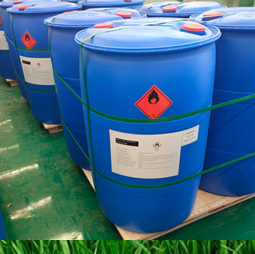
Handling hydrochloric acid requires strict adherence to safety protocols. As a corrosive liquid, it can cause severe burns to the skin, respiratory tract, and eyes.
- Personal Protective Equipment (PPE): Always wear chemical-resistant gloves, apron, boots, and a full-face respirator or impact-resistant goggles.
- Storage: Store in a cool, well-ventilated area. Use compatible materials such as PVC, polyethylene, or rubber-lined steel for storage tanks. Never store near strong bases or oxidizing agents.
- Spill Response: In the event of a spill, neutralize with soda ash (sodium carbonate) or lime (calcium hydroxide) before containment.
For detailed Safety Data Sheets (SDS), visit PubChem.
Sourcing Chemicals: Why Choose ChemicalsSuppliers.com?
At ChemicalsSuppliers.com, we bridge the gap between global manufacturers and end-users. We ensure batch consistency, secure packaging, and reliable logistics.
50+ Related Chemicals and Pricing Overview
Below is a curated list of chemicals often purchased alongside Hydrochloric Acid for industrial, lab, and cleaning applications.
| No. |
Chemical Name |
Synonyms |
Typical Price (USD/kg) |
Purchase Link |
| 1 |
Sulfuric Acid |
Oil of Vitriol |
$1.20 – $2.50 |
Link |
| 2 |
Nitric Acid |
Aqua Fortis |
$2.00 – $4.00 |
Link |
| 3 |
Phosphoric Acid |
Orthophosphoric Acid |
$1.50 – $3.00 |
Link |
| 4 |
Sodium Hydroxide |
Caustic Soda |
$0.80 – $1.80 |
Link |
| 5 |
Potassium Hydroxide |
Caustic Potash |
$1.50 – $2.80 |
Link |
| 6 |
Hydrogen Peroxide |
Bleaching Agent |
$1.10 – $2.20 |
Link |
| 7 |
Acetic Acid |
Glacial Vinegar |
$1.30 – $2.50 |
Link |
| 8 |
Citric Acid |
Food Acid |
$1.20 – $2.00 |
Link |
| 9 |
Ammonia Solution |
Ammonium Hydroxide |
$0.90 – $1.90 |
Link |
| 10 |
Acetone |
Dimethyl Ketone |
$1.40 – $2.60 |
Link |
| 11 |
Ethanol |
Ethyl Alcohol |
$1.50 – $3.00 |
Link |
| 12 |
Methanol |
Methyl Alcohol |
$0.70 – $1.50 |
Link |
| 13 |
Isopropyl Alcohol |
IPA |
$1.60 – $2.80 |
Link |
| 14 |
Ferric Chloride |
Iron(III) Chloride |
$1.80 – $3.20 |
Link |
| 15 |
Aluminum Sulfate |
Alum |
$0.50 – $1.20 |
Link |
| 16 |
Calcium Chloride |
De-icing Salt |
$0.40 – $0.90 |
Link |
| 17 |
Magnesium Sulfate |
Epsom Salt |
$0.60 – $1.30 |
Link |
| 18 |
Sodium Carbonate |
Soda Ash |
$0.30 – $0.80 |
Link |
| 19 |
Sodium Bicarbonate |
Baking Soda |
$0.50 – $1.10 |
Link |
| 20 |
Copper Sulfate |
Blue Vitriol |
$2.50 – $4.50 |
Link |
| 21 |
Zinc Chloride |
Butter of Zinc |
$2.00 – $3.50 |
Link |
| 22 |
Formic Acid |
Methanoic Acid |
$1.80 – $3.00 |
Link |
| 23 |
Oxalic Acid |
Ethanedioic Acid |
$1.50 – $2.80 |
Link |
| 24 |
Boric Acid |
Boracic Acid |
$1.20 – $2.20 |
Link |
| 25 |
Glycerin |
Glycerol |
$1.40 – $2.60 |
Link |
| 26 |
Propylene Glycol |
Antifreeze Agent |
$1.60 – $2.90 |
Link |
| 27 |
Ethylene Glycol |
Antifreeze |
$1.30 – $2.40 |
Link |
| 28 |
Toluene |
Methylbenzene |
$1.20 – $2.20 |
Link |
| 29 |
Xylene |
Dimethylbenzene |
$1.30 – $2.30 |
Link |
| 30 |
Phenol |
Carbolic Acid |
$2.20 – $4.00 |
Link |
| 31 |
Urea |
Fertilizer Grade |
$0.40 – $0.90 |
Link |
| 32 |
Potassium Chloride |
Muriate of Potash |
$0.50 – $1.00 |
Link |
| 33 |
Sodium Hypochlorite |
Bleach |
$0.50 – $1.20 |
Link |
| 34 |
Potassium Permanganate |
Condy’s Crystals |
$3.00 – $5.00 |
Link |
| 35 |
Silver Nitrate |
Lunar Caustic |
$20.00 – $50.00 |
Link |
| 36 |
Iodine |
Reagent Grade |
$30.00 – $60.00 |
Link |
| 37 |
Chloroform |
Trichloromethane |
$2.50 – $4.50 |
Link |
| 38 |
Diethyl Ether |
Solvent |
$3.00 – $6.00 |
Link |
| 39 |
Benzene |
Solvent |
$1.50 – $2.80 |
Link |
| 40 |
Hexane |
Solvent |
$1.40 – $2.50 |
Link |
| 41 |
Petroleum Ether |
Solvent |
$1.80 – $3.00 |
Link |
| 42 |
Aniline |
Amino Benzene |
$2.50 – $4.50 |
Link |
| 43 |
Benzoic Acid |
Preservative |
$2.00 – $3.50 |
Link |
| 44 |
Salicylic Acid |
Beta Hydroxy Acid |
$2.50 – $4.50 |
Link |
| 45 |
Ascorbic Acid |
Vitamin C |
$6.00 – $12.00 |
Link |
| 46 |
Tartaric Acid |
Wine Acid |
$4.00 – $8.00 |
Link |
| 47 |
Sodium Sulfate |
Glauber’s Salt |
$0.30 – $0.70 |
Link |
| 48 |
Barium Chloride |
Inorganic Salt |
$1.50 – $3.00 |
Link |
| 49 |
Manganese Dioxide |
Battery Grade |
$2.00 – $4.00 |
Link |
| 50 |
Cobalt Chloride |
Catalyst/Indicator |
$15.00 – $30.00 |
Link |
(Note: Prices fluctuate based on market conditions, purity, and volume. Please visit our website for real-time quotes.)
Global Market Trends: The Future of HCl
The global hydrochloric acid market is projected to grow steadily, driven by the increasing demand for polyurethane in the automotive and construction sectors. Furthermore, the push for cleaner water worldwide is fueling the need for HCl in water treatment, particularly in developing economies where infrastructure is expanding.
Key Factors Influencing Pricing:
- Feedstock Availability: HCl is often a byproduct of the chlor-alkali process and the production of organic chlorinated compounds. Shortages in chlorine production directly impact HCl supply.
- Energy Costs: As an energy-intensive industrial chemical, transportation and production costs (refrigeration of HCl gas) are tied to global energy prices.
- Geopolitics: Trade policies regarding chemical ingredients often dictate cross-border pricing.
Frequently Asked Questions
Q: Can I use Muriatic Acid to clean my swimming pool? A: Yes, it is commonly used to lower the pH of pool water. However, it must be handled with extreme caution near children and pets. Always dilute it properly.
Q: Is Hydrochloric acid dangerous for the environment? A: If spilled in bulk, it can lower the pH of water bodies, harming aquatic life. Proper containment and neutralization are mandatory.
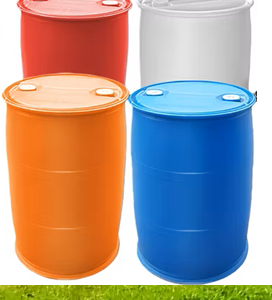
Q: How do I store HCl long-term? A: Use high-density polyethylene (HDPE) containers. Ensure the cap is vented if there is a risk of pressure buildup from hydrogen chloride vapors.
Conclusion
Hydrochloric acid is more than just a chemical—it is a cornerstone of global industry. From the infrastructure of our cities to the food on our tables, its utility is unmatched. By choosing ChemicalsSuppliers.com, you are partnering with a supply chain leader dedicated to safety, quality, and industrial advancement.
Visit our homepage today to browse our full catalog, request a quote, or speak to our expert procurement team.
Technical Resources & External Links
Keywords for Global Audience (Multi-Lingual)
- Chinese (Simplified): 盐酸 (Yánsuān), 氢氯酸 (Qīng lǜ suān)
- Hindi: हाइड्रोक्लोरिक एसिड (Hydrochloric acid)
- Spanish: Ácido clorhídrico, Ácido muriático
- Arabic: حمض الهيدروكلوريك (Hamd al-hidroklurik)
- French: Acide chlorhydrique
- Bengali: হাইড্রোক্লোরিক অ্যাসিড
- Korean: 염산 (Yeomsan)
- Portuguese: Ácido clorídrico
- Indonesian: Asam klorida
- Russian: Соляная кислота (Solyanaya kislota)
- German: Salzsäure
- Japanese: 塩酸 (Ensan)
- Vietnamese: Axit clohydric
- Turkish: Hidroklorik asit
The information provided in this article is for educational and procurement guidance only. Always consult a professional and follow the Material Safety Data Sheet (MSDS/SDS) when purchasing or handling industrial chemicals. ChemicalsSuppliers.com advocates for safe chemical practices and environmental stewardship.