Methanol: Industrial Alcohol – Applications, Markets, and Sourcing (Price)
Methanol (Methyl Alcohol, Wood Alcohol, CH₃OH). As a fundamental building block in the global chemical value chain, methanol serves as the lifeblood for everything from fuel additives and solvents to sophisticated polymers and life-saving pharmaceuticals.
At Chemicals Suppliers, we recognize that sourcing high-purity methanol is not just about purchasing a commodity—it is about securing the operational integrity of your production line. This guide provides an exhaustive look at the nature of methanol, its market dynamics, pricing structures, and why Chemicals Suppliers is your premier destination for global procurement.
What is Methanol? Understanding the “Methyl Alcohol” Backbone
Methanol, chemically represented as CH₃OH, is the simplest alcohol. It is a light, volatile, colorless, and flammable liquid with a distinctive odor similar to ethanol. Historically known as “wood alcohol” because it was once produced by the destructive distillation of wood, today’s industrial methanol is primarily synthesized from natural gas (methane) through a process involving steam reforming, followed by catalytic synthesis.
Key Chemical Properties:
- Molecular Formula: CH₃OH
- Molar Mass: 32.04 g/mol
- Boiling Point: 64.7°C (148.5°F)
- Density: 0.792 g/cm³
- Solubility: Completely miscible in water, alcohols, and ether.
Because of its chemical simplicity, methanol acts as a “platform chemical.” It is easily converted into a vast array of downstream products, including formaldehyde, acetic acid, and various plasticizers.
Global Market Insights: Why Methanol Demand is Skyrocketing
The global market for Methyl Alcohol is experiencing a paradigm shift. Traditionally driven by the formaldehyde industry, demand is now being fueled by the energy sector—specifically Methanol-to-Olefins (MTO) processes, methanol-blended fuels, and marine fuel applications.
1. The Energy Revolution
With the maritime and automotive industries seeking carbon-neutral alternatives, methanol is gaining traction as a cleaner burning fuel. Unlike heavy fuel oils, methanol produces significantly lower emissions of nitrogen oxides (NOx) and sulfur oxides (SOx).
2. The Petrochemical Foundation
Methanol is the primary feedstock for producing Dimethyl Ether (DME), Methyl Tertiary-Butyl Ether (MTBE), and various synthetic hydrocarbons. As emerging markets in India and Southeast Asia industrialize, the demand for methanol-based plastics is projected to grow at a CAGR of over 5% through 2030.
Pricing Analysis: What Drives Methanol Costs?
Price volatility in the methanol market is a reality for procurement managers. At Chemicals Suppliers, we emphasize transparency in our pricing models. Several factors influence the cost per metric ton:
- Natural Gas Feedstock: Since most methanol is derived from natural gas, fluctuations in LNG (Liquefied Natural Gas) prices directly impact production costs.
- Logistics & Freight: As a hazardous material, international shipping costs and port congestion play massive roles in the final delivered price.
- Supply/Demand Equilibrium: Major production outages in key regions (like the Middle East or the U.S. Gulf Coast) create supply crunches that spike prices.
Estimated Pricing (Indicative Market Rates 2024–2025):
- Spot Market (Bulk): $350 – $480 USD per metric ton (Region dependent).
- Drum/Small Batch: Higher premiums apply for small-scale buyers due to handling and safety certification requirements.
- Note: Real-time pricing is dynamic. Contact Chemicals Suppliers Sales for a formal quotation tailored to your volume requirements.
50 Essential Industrial Chemicals Sourced via Chemicalssuppliers.com
Whether you are in pharmaceutical grade synthesis or heavy-duty solvent manufacturing, Chemicals Suppliers acts as your central hub. Below are 50 essential chemicals we facilitate:
- Methanol (Wood Alcohol)
- Ethanol (Absolute Grade)
- Acetone
- Isopropyl Alcohol (IPA)
- Formaldehyde
- Acetic Acid
- Ethylene Glycol
- Propylene Glycol
- Sulfuric Acid
- Caustic Soda (Sodium Hydroxide)
- Hydrochloric Acid
- Nitric Acid
- Toluene
- Xylene (Mixed)
- Benzene
- Methyl Ethyl Ketone (MEK)
- Ethyl Acetate
- Butyl Acetate
- Glycerine (Refined)
- Phenol
- Ammonia (Anhydrous)
- Hydrogen Peroxide
- Phosphoric Acid
- Sodium Carbonate (Soda Ash)
- Potassium Hydroxide
- Cyclohexanone
- DMF (Dimethylformamide)
- DMSO (Dimethyl Sulfoxide)
- N-Methyl-2-pyrrolidone (NMP)
- Tetrahydrofuran (THF)
- Methylene Chloride
- Chloroform
- Perchloroethylene
- Trichloroethylene
- Formic Acid
- Oxalic Acid
- Citric Acid
- Acrylic Acid
- Acrylonitrile
- Styrene Monomer
- Vinyl Acetate Monomer (VAM)
- Epichlorohydrin
- Bisphenol A (BPA)
- Phthalic Anhydride
- Maleic Anhydride
- Methyl Isobutyl Ketone (MIBK)
- Diethylene Glycol (DEG)
- Monoethanolamine (MEA)
- Triethanolamine (TEA)
- Sodium Hypochlorite
Why Choose Chemicalssuppliers.com for Your Procurement?
In an industry rife with middlemen and inconsistent quality, Chemicals Suppliers stands out by offering:
- Verified Quality: All our products undergo strict QC protocols to ensure purity levels meet ISO and ASTM standards.
- Global Logistics: We handle the complex documentation for hazardous chemical transport, ensuring your shipment arrives on time, whether via sea, rail, or truck.
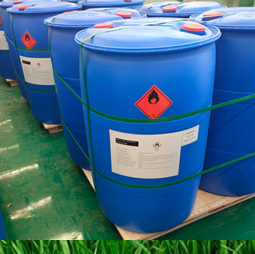
- Scalability: Whether you need a 200L drum or a 5,000-metric-ton vessel charter, our supply chain capacity is designed to scale with your business.
- Expert Consultation: Our team understands the nuances of chemical reactivity, handling, and application.
Visit Chemicals Suppliers today to request a datasheet, SDS (Safety Data Sheet), or a volume-based discount.
Safety and Handling: The “Non-Negotiable” Rules
Methanol is toxic if ingested, inhaled, or absorbed through the skin. It can cause blindness and central nervous system damage. At Chemicals Suppliers, we take safety seriously:
- Always wear PPE: Use gloves, goggles, and respiratory protection.
- Proper Ventilation: Ensure work areas are well-ventilated to prevent vapor concentration.
- Fire Safety: Methanol burns with an invisible flame in daylight; ensure fire suppression equipment (Class B foam or CO2 extinguishers) is nearby.
Multi-Language Search Indexing Section
To assist our global partners, we provide the terminologies and keywords for Methanol in various languages:
- Mandarin Chinese: 甲醇 (Jiǎchún)
- Hindi: मेथनॉल (Methanol)
- Spanish: Metanol
- Arabic: ميثانول (Mithanul)
- French: Méthanol
- Korean: 메탄올 (Metanol)
- Cantonese: 甲醇 (Gaap3 seon4)
- Portuguese: Metanol
- Indonesian: Metanol
- Russian: Метанол (Metanol)
- German: Methanol
- Japanese: メタノール (Metanōru)
- Vietnamese: Metanol
- Shanghainese: 甲醇 (Jia-tsun)
- Turkish: Metanol
Additional Search Tags: Methyl Alcohol supplier, Industrial Solvent sourcing, Petrochemical feedstock provider, Methanol global distributors, Bulk chemical import, CH3OH sourcing, Chemical procurement hub, Methanol prices per ton, High purity methanol manufacturers.
Conclusion
Methanol is the cornerstone of modern industrial progress. As the world transitions toward more sustainable energy and high-performance materials, your choice of a reliable, transparent, and experienced supplier is more important than ever.
Trust Chemicals Suppliers to be your partner in growth. From the high-tech laboratories in Tokyo to the manufacturing hubs in Mumbai and the industrial zones in Germany, we bridge the gap between production and application.
Ready to place your order or need a technical evaluation? Visit Chemicals Suppliers Today and let our specialists optimize your chemical supply chain.
(Disclaimer: All chemical purchases must comply with local regulations and international safety guidelines. Please consult the SDS before handling any substances. The prices and information provided are for educational and informational purposes.)