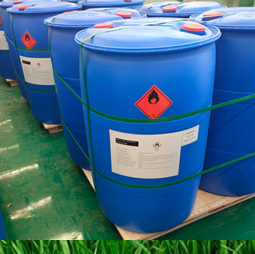
Trichloroacetic Acid (TCA): A Guide to Properties, Industrial Applications, and Safety Standards
Trichloroacetic acid (TCA), known systematically as 2,2,2-trichloroethanoic acid and chemically represented as $CCl_3COOH$, is a cornerstone reagent in chemical synthesis, dermatological medicine, and biochemical research. Often misinterpreted as merely a “skin peel agent,” its utility spans across international industrial sectors, from the synthesis of pharmaceutical intermediates to the manufacturing of specialized cleaning agents and protein precipitation protocols.
At ChemicalsSuppliers.com, we provide high-purity chemical reagents tailored for industrial and laboratory research. This guide offers an exhaustive look into TCA, its variants, and a roadmap for sourcing essential chemicals globally.
1. What is Trichloroacetic Acid? (Chemical Architecture)
Trichloroacetic acid is a derivative of acetic acid where three hydrogen atoms of the methyl group are replaced by chlorine atoms. This substitution significantly increases its acidity compared to its parent compound, acetic acid, due to the strong electron-withdrawing effect of the three chlorine atoms.
Key Technical Specifications:
- CAS Number: 76-03-9
- Molecular Weight: 163.39 g/mol
- Melting Point: 58 °C (136 °F)
- Boiling Point: 196 °C
- Appearance: Colorless to white crystalline solid (hygroscopic)
- Solubility: Highly soluble in water, ethanol, and ether.
In the global market, it is frequently referred to as TCA, Acido tricloroacetico (Spanish), 三氯乙酸 (Chinese), or Трихлоруксусная кислота (Russian).
2. Industrial and Laboratory Applications
A. Biochemical Protein Precipitation
In proteomics, TCA is the gold standard for precipitating proteins from dilute solutions. By lowering the pH, TCA denatures proteins, causing them to unfold and aggregate, making them easily recoverable via centrifugation. It remains the preferred method over acetone or methanol precipitation in labs worldwide because it preserves specific protein yields effectively.
B. Dermatological and Cosmetic Use
TCA is globally recognized in clinical dermatology for chemical peels. Depending on the concentration (10% to 50%), it is used to treat:
- Actinic keratosis.
- Hyperpigmentation and scarring.
- Textural irregularities.
- Wart removal (high concentration).
C. Organic Synthesis and Pharmaceuticals
TCA acts as a catalyst in organic synthesis. It is a precursor for various pharmaceutical intermediates. It is often employed in the manufacturing of herbicides and in the synthesis of heterocyclic compounds.
3. Comparison with Other Haloacetic Acids
To understand TCA, it is essential to compare it with its counterparts:
- Monochloroacetic Acid (MCA): Less acidic, widely used in the production of CMC (Carboxymethyl cellulose).
- Dichloroacetic Acid (DCA): An intermediate in the production of pharmaceuticals.
- Trichloroacetic Acid (TCA): The most acidic of the three, highly versatile for controlled chemical reactions.
4. Safety and Handling Guidelines
TCA is a strong acid and a corrosive substance. It causes severe skin burns and eye damage.
- PPE Requirements: Always use nitrile gloves, safety goggles, and a lab coat.
- Ventilation: Work in a chemical fume hood to prevent inhalation of vapors.
- Neutralization: In the event of a spill, use a weak base like sodium bicarbonate to neutralize the acid before clean-up.
For more safety data, refer to the PubChem entry for Trichloroacetic Acid.
5. Global Sourcing: Where to Purchase Chemicals
For researchers and businesses looking for high-quality chemical reagents, ChemicalsSuppliers.com acts as a global gateway. Below is a curated list of related chemicals and how to find them on our platform.
List of 50+ Related Chemicals & Pricing Reference
All prices fluctuate based on market demand, purity grade (ACS/USP/Technical), and quantity.
| Chemical Name |
CAS Number |
Typical Use |
Est. Price ($) |
| Trichloroacetic Acid |
76-03-9 |
Reagent/Peels |
$45/500g |
| Acetic Acid (Glacial) |
64-19-7 |
Solvent/Synthesis |
$25/L |
| Formic Acid |
64-18-6 |
Reducing Agent |
$35/L |
| Trifluoroacetic Acid |
76-05-1 |
Peptide Synthesis |
$85/100g |
| Monochloroacetic Acid |
79-11-8 |
Herbicide Intermediate |
$40/kg |
| Dichloroacetic Acid |
79-43-6 |
Organic Synthesis |
$60/500g |
| Hydrochloric Acid |
7647-01-0 |
Acidification |
$20/L |
| Sulfuric Acid |
7664-93-9 |
Catalyst |
$25/L |
| Sodium Hydroxide |
1310-73-2 |
Neutralizer |
$15/kg |
| Acetone |
67-64-1 |
Solvent |
$18/L |
| Ethanol (Absolute) |
64-17-5 |
Solvent/Reagent |
$30/L |
| Methanol |
67-56-1 |
Solvent |
$22/L |
| Acetonitrile |
75-05-8 |
HPLC Analysis |
$55/L |
| Benzene |
71-43-2 |
Synthesis |
$45/L |
| Toluene |
108-88-3 |
Solvent |
$25/L |
| Chloroform |
67-66-3 |
Solvent |
$35/L |
| Dichloromethane |
75-09-2 |
Extraction |
$30/L |
| Formamide |
75-12-7 |
Solvent |
$38/L |
| Urea |
57-13-6 |
Denaturant |
$15/kg |
| Guanidine HCl |
50-01-1 |
Protein Extraction |
$65/kg |
| Citric Acid |
77-92-9 |
Acidulant |
$12/kg |
| Oxalic Acid |
144-62-7 |
Cleaning Agent |
$20/kg |
| Nitric Acid |
7697-37-2 |
Oxidizer |
$40/L |
| Phosphoric Acid |
7664-38-2 |
Synthesis |
$25/L |
| Ethyl Acetate |
141-78-6 |
Solvent |
$25/L |
| DMSO |
67-68-5 |
Solvent/Cryo |
$40/L |
| Glycerol |
56-81-5 |
Stabilizer |
$20/L |
| Isopropyl Alcohol |
67-63-0 |
Disinfectant |
$15/L |
| Phenol |
108-95-2 |
Synthesis |
$40/kg |
| Aniline |
62-53-3 |
Dye Intermediate |
$45/L |
| Pyridine |
110-86-1 |
Solvent |
$50/L |
| DMF |
68-12-2 |
Polar Solvent |
$45/L |
| THF |
109-99-9 |
Solvent |
$50/L |
| Hexane |
110-54-3 |
Chromatography |
$35/L |
| Heptane |
142-82-5 |
Extraction |
$35/L |
| Xylene |
1330-20-7 |
Solvent |
$30/L |
| Diethyl Ether |
60-29-7 |
Solvent |
$55/L |
| Potassium Hydroxide |
1310-58-3 |
Base/Reagent |
$20/kg |
| Calcium Carbonate |
471-34-1 |
Filler |
$10/kg |
| Magnesium Sulfate |
7487-88-9 |
Desiccant |
$12/kg |
| Boric Acid |
10043-35-3 |
Synthesis |
$18/kg |
| Ammonium Chloride |
12125-02-9 |
Buffer |
$15/kg |
| Silver Nitrate |
7761-88-8 |
Analytical |
$250/100g |
| Iodine Crystals |
7553-56-2 |
Reagent |
$80/100g |
| Potassium Permanganate |
7722-64-7 |
Oxidizer |
$25/kg |
| Ferric Chloride |
7705-08-0 |
Flocculant |
$20/kg |
| Copper Sulfate |
7758-98-7 |
Synthesis |
$18/kg |
| Zinc Chloride |
7646-85-7 |
Catalyst |
$22/kg |
| Sodium Bicarbonate |
144-55-8 |
Neutralizer |
$10/kg |
| Formaldehyde |
50-00-0 |
Preservative |
$25/L |
Visit ChemicalsSuppliers.com to request a custom quote for bulk orders or specific purity requirements.
6. Global Reach and Multilingual Terminology
To assist our international clients, we provide the following terminology guide. Whether you are searching for TCA in Asia, Europe, or the Americas, knowing the standard local names is vital.
Terminology Table:
- English: Trichloroacetic Acid
- Chinese (Simplified): 三氯乙酸 (Sānlǜyǐsuān)
- Spanish: Ácido tricloroacético
- Arabic: حمض ثلاثي كلورو أسيتيك (Hamd thulathi kiluru asitik)
- Hindi: ट्राइक्लोरोएसेटिक एसिड
- French: Acide trichloroacétique
- Bengali: ট্রাইক্লোরোএসেটিক অ্যাসিড
- Korean: 트리클로로아세트산
- Portuguese: Ácido tricloroacético
- Indonesian: Asam trikloroasetat
- Russian: Трихлоруксусная кислота
- German: Trichloressigsäure
- Japanese: トリクロロ酢酸
- Vietnamese: Axit trichloroacetic
- Turkish: Trikloroasetik asit
7. Why Choose ChemicalsSuppliers.com for Your Procurement?
We understand that scientists and industrial purchasers require more than just a product; they require reliability, traceability, and high purity.
- Quality Assurance: Every batch of our Trichloroacetic Acid comes with a Certificate of Analysis (CoA).
- Global Logistics: We ship to over 100 countries, ensuring compliance with international hazardous material transport regulations.
- Dedicated Support: Our technical team is available to help you select the right grade for your specific application, whether it is for high-end research or industrial manufacturing.
- Competitive Pricing: By cutting out unnecessary middle-men, we provide direct-from-manufacturer pricing to laboratories and factories.
How to Order
- Search: Use our search bar to find the specific CAS number or chemical name.
- Inquiry: Click the “Request Quote” button for bulk orders.
- Payment: We accept secure global payment methods.
- Shipping: Get tracked, hazmat-compliant shipping delivered to your facility.
8. Frequently Asked Questions (FAQ)
Q: Can TCA be used for at-home skin treatments? A: While available in some cosmetic kits, high-concentration TCA is a potent chemical and should only be handled by trained medical professionals to avoid permanent scarring or chemical burns.
Q: What is the shelf life of Trichloroacetic Acid? A: TCA is hygroscopic (absorbs moisture from the air). When stored in an airtight, light-resistant container in a cool, dry place, it can last for 2-3 years.
Q: How do I store TCA? A: Keep in a glass or fluorinated HDPE container. Ensure the lid is tightly sealed. Avoid storing near incompatible materials such as strong bases or oxidizing agents.
9. Conclusion
Trichloroacetic Acid is a versatile and indispensable tool in modern science and industry. From the precision of protein electrophoresis to the clinical applications of dermatology, its chemical properties provide unique solutions to complex problems. At ChemicalsSuppliers.com, we remain committed to being your primary partner in the global supply of high-purity chemical reagents.
Explore our extensive Catalog today to find the chemicals you need to drive your research and productivity forward.
All chemicals should be handled by trained professionals. Please consult the Safety Data Sheet (SDS) before use. Chemicalssuppliers.com is not liable for accidents or misuse of products provided.
Keywords for Global Context):
- General: Trichloroacetic Acid, TCA chemical, 76-03-9, buy chemicals online, chemical reagents supplier.
- Localized/Global:
- Spanish: Comprar ácido tricloroacético, proveedores de químicos.
- Chinese: 三氯乙酸在哪里买, 实验室试剂供应.
- Arabic: شراء حمض ثلاثي كلورو أسيتيك, موردي المواد الكيميائية.
- Hindi: ट्राइक्लोरोएसेटिक एसिड आपूर्तिकर्ता, रसायन कहां से खरीदें.
- Russian: Трихлоруксусная кислота купить, поставщик химикатов.
- Japanese: トリクロロ酢酸 購入, 化学薬品サプライヤー.
- German: Trichloressigsäure kaufen, Chemikalienlieferant.
For further reading on organic acid chemistry, visit the American Chemical Society (ACS). For global safety standards, refer to ECHA (European Chemicals Agency).