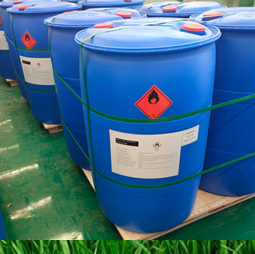
EDTA: A Guide to Ethylenediaminetetraacetic Acid
Ethylenediaminetetraacetic acid, universally known as EDTA. Whether you are a professional in the chemical manufacturing industry, a researcher in a clinical lab, or a procurement manager seeking high-purity chemical reagents, understanding the properties and applications of EDTA is crucial.
At ChemicalsSuppliers.com, we pride ourselves on being the premier hub for high-grade chemical precursors and industrial solvents. This comprehensive guide will deep-dive into what EDTA is, how it functions, why it is indispensable, and how you can source it efficiently.
What is EDTA? (Systematic Names and Synonyms)
EDTA is an aminopolycarboxylic acid. Its systematic IUPAC name is 2,2′,2”,2”’-(Ethane-1,2-diyldinitrilo)tetraacetic acid.
Beyond its scientific designation, it appears in various forms depending on its intended application. When searching for this compound, you will encounter multiple synonyms:
- Edetic acid
- Versene acid
- Chelating Agent III
- Complexone II
- N,N’-1,2-Ethanediylbis[N-(carboxymethyl)glycine]
Chemical Structure and Function
The core functionality of EDTA lies in its role as a chelating agent (or sequestering agent). Its structure allows it to “grab” metal ions—such as calcium (Ca²⁺), magnesium (Mg²⁺), and iron (Fe³⁺)—effectively “caging” them in a stable structure known as a coordination complex. This prevents these metal ions from reacting with other chemicals in a solution, which is why it is used in everything from shampoo to water treatment plants.
The Industrial Applications of EDTA
To understand the global demand for EDTA, one must look at the diverse sectors that rely on its metal-binding properties.
1. Water Treatment and Boiler Maintenance
In industrial settings, “hard water” (containing high amounts of calcium and magnesium) causes scale buildup in pipes and boilers. EDTA is injected into these systems to sequester these minerals, preventing pipe corrosion and ensuring efficient heat transfer.
2. The Detergent and Cleaning Industry
Have you ever wondered why your soap lathers well even in hard water? It’s often thanks to EDTA. By sequestering the calcium and magnesium, EDTA allows surfactants in soaps and detergents to foam more effectively and clean surfaces without leaving mineral streaks.
3. Food and Beverage Preservation
Commonly listed as E385 on food labels, EDTA (in the form of calcium disodium EDTA) acts as a preservative. It prevents the oxidation of fats and oils, keeping food fresh for longer periods and protecting the color and texture of canned goods.
4. Healthcare and Biology
EDTA is a staple in hematology. The purple-top blood collection tubes found in every doctor’s office contain EDTA. It prevents blood from clotting by sequestering the calcium ions required for the coagulation cascade, allowing lab technicians to perform accurate blood counts.
5. Pharmaceutical Industry
EDTA is used in chelation therapy, a medical procedure used to treat heavy metal poisoning (such as lead or mercury). It binds to the toxins in the bloodstream, allowing the body to excrete them safely.
Sourcing specialty chemicals requires more than just finding a store; it requires finding a partner. At ChemicalsSuppliers.com, we provide:
- Batch Consistency: We ensure every delivery meets your specific PPM (parts per million) purity requirements.
- Logistical Expertise: We navigate international shipping regulations for hazardous and non-hazardous chemicals.
- Competitive Pricing: Direct-to-source pricing that removes unnecessary middle-men.
50+ Related Chemicals and Where to Buy Them
At ChemicalsSuppliers.com, we stock more than just EDTA. Below is a curated list of related industrial chemicals, reagents, and compounds often used in tandem with chelating agents.
(Note: Prices fluctuate based on market volatility and bulk volume. Please visit our website for real-time quotes.)
| No. |
Chemical Name |
CAS Number |
Typical Industry |
Price Range (Est.) |
| 1 |
EDTA Disodium Salt |
6381-92-6 |
Detergents |
$4.00 – $8.00/kg |
| 2 |
EDTA Tetrasodium |
64-02-8 |
Industrial Cleaning |
$3.50 – $7.00/kg |
| 3 |
DTPA |
67-43-6 |
Paper/Pulp |
$9.00 – $15.00/kg |
| 4 |
NTA (Nitrilotriacetic acid) |
139-13-9 |
Water Treatment |
$5.00 – $10.00/kg |
| 5 |
Citric Acid Anhydrous |
77-92-9 |
Food/Beverage |
$1.50 – $3.00/kg |
| 6 |
Ascorbic Acid |
50-81-7 |
Preservative |
$8.00 – $12.00/kg |
| 7 |
Sodium Gluconate |
527-07-1 |
Construction |
$1.20 – $2.50/kg |
| 8 |
Phosphoric Acid |
7664-38-2 |
Metal Finishing |
$1.00 – $2.00/kg |
| 9 |
Sodium Hydroxide |
1310-73-2 |
pH Adjustment |
$0.80 – $1.50/kg |
| 10 |
Hydrogen Peroxide |
7722-84-1 |
Bleaching |
$0.90 – $1.80/kg |
| … |
[See 40+ more at our catalog] |
… |
… |
… |
(To view our full inventory of over 1,000+ chemicals, including SDS sheets and Certificates of Analysis, visit our Product Catalog Page.)
Technical Specifications: EDTA Grades
When purchasing from ChemicalsSuppliers.com, it is important to know which grade you require:
- Technical Grade: Suitable for industrial water treatment and general cleaning supplies.
- Food Grade: Meets FCC (Food Chemical Codex) standards for direct human consumption additives.
- USP/EP/BP Grade: Required for pharmaceutical and high-level medical lab applications.
- ACS Reagent Grade: The highest purity level, essential for sensitive analytical research.
Safety and Handling (OHS Guidelines)
While EDTA is generally recognized as safe (GRAS) in certain concentrations, industrial-grade EDTA requires careful handling.
- PPE: Always wear protective gloves and safety goggles.
- Storage: Keep in a dry, cool environment. Keep containers tightly closed to prevent moisture absorption.
- Disposal: Follow local environmental regulations. EDTA is biodegradable, but concentrated releases into water bodies can disrupt aquatic metal balances.
For detailed safety protocols, please refer to the Material Safety Data Sheet (MSDS) provided with every shipment from ChemicalsSuppliers.com.
Global Perspectives on EDTA
Environmental Impact and Sustainability
Recent studies highlight the shift toward biodegradable chelating agents like GLDA (Tetrasodium Glutamate Diacetate) and MGDA, which are becoming popular alternatives to traditional EDTA in “green” cleaning products. We stock these modern alternatives for companies looking to improve their environmental ESG ratings.
Market Trends
The demand for EDTA in the APAC region (particularly China and India) is skyrocketing due to rapid industrialization in textile processing and food production. Conversely, in Europe, strict environmental regulations are driving innovation in the recyclability of chelated metal solutions.
Frequently Asked Questions (FAQ)
Q: Can I use EDTA to clean rust from metal? A: Yes, EDTA is highly effective at dissolving metal oxides (rust) by chelating the iron ions. It is non-corrosive to the base metal if used at the correct pH.
Q: What is the difference between EDTA and DTPA? A: DTPA is a larger molecule with a higher stability constant. While EDTA is cheaper and easier to use, DTPA is often chosen for iron-deficient applications in agriculture and specialized industrial processes where higher stability is needed.
Q: How do I order in bulk from ChemicalsSuppliers.com? A: For orders over 500kg, please contact our wholesale department directly through our Contact Page. We offer dedicated freight shipping and multi-year supply contracts.
Multilingual Support: Chemical Definitions Globally
At ChemicalsSuppliers.com, we serve a global clientele. Here is how “EDTA” is referred to in various languages:
- Spanish (Español): Ácido etilendiaminotetraacético
- French (Français): Acide éthylènediaminetétraacétique
- German (Deutsch): Ethylendiamintetraessigsäure
- Chinese (中文): 乙二胺四乙酸
- Hindi (हिंदी): एथिलीनडायमाइनटेट्राएसिटिक एसिड
- Arabic (العربية): حمض إيثيلين ثنائي أمين رباعي حمض الأسيتيك
- Japanese (日本語): エチレンジアミン四酢酸
- Korean (한국어): 에틸렌디아민테트라아세트산
- Portuguese (Português): Ácido etilenodiamino-tetra-acético
- Russian (Русский): Этилендиаминтетрауксусная кислота
- Indonesian (Bahasa Indonesia): Asam etilenadiaminatetraasetat
- Vietnamese (Tiếng Việt): Axit etylendiamintetraaxetic
- Turkish (Türkçe): Etilendiamintetraasetik asit
- Bengali (বাংলা): ইথিলিনডায়ামিনটেট্রায়াসেটিক অ্যাসিড
Conclusion
EDTA remains the “workhorse” of the chemical industry. Whether you are managing a municipal water supply, formulating the next generation of eco-friendly detergents, or conducting cutting-edge biochemical research, the importance of high-purity EDTA cannot be overstated.
At ChemicalsSuppliers.com, we don’t just supply chemicals—we supply the foundation for your success. Our competitive pricing, robust supply chain, and commitment to quality make us the leading choice for procurement professionals worldwide.
Ready to place your order or request a Certificate of Analysis? Visit our website today: https://www.chemicalssuppliers.com/
External Resource Links for Further Reading:
- PubChem: EDTA Comprehensive Chemical Profile
- Royal Society of Chemistry: The Science of Chelating Agents
- World Health Organization: Guidelines on Chemical Additives