An Ultimate Guide to USP Grade Chemicals: Quality, Standards, and Sourcing
In chemical manufacturing and distribution, the acronym USP stands as a gold standard for quality, purity, and consistency. Whether you are in the pharmaceutical industry, cosmetic formulation, food production, or high-end research, understanding the nuances of United States Pharmacopeia (USP) grade chemicals—also known as pharmaceutical-grade or monograph-grade chemicals—is essential.
At ChemicalsSuppliers.com, we are dedicated to bridging the gap between stringent industrial requirements and reliable supply chain logistics. This comprehensive guide explores everything you need to know about USP chemicals, why they matter, and how to source them effectively.
What Does “USP Grade” Actually Mean?
When a chemical is labeled “USP grade,” it signifies that it meets the rigorous standards set by the United States Pharmacopeia. This is a non-governmental, official public standards-setting authority for all prescription and over-the-counter medicines, dietary supplements, and other healthcare products manufactured or sold in the United States.
The Criteria for USP Certification
To be classified as USP grade, a chemical must satisfy specific requirements regarding:
- Purity: The percentage of the active ingredient must fall within a strict, narrow range.
- Impurity Profiles: Contaminants, heavy metals, and residual solvents must be kept below established safety thresholds.
- Standardized Testing Methods: Every lot must undergo testing using methods verified by the USP to ensure consistency across batches.
- Documentation: Detailed Certificates of Analysis (CoA) must accompany every delivery, providing a transparent audit trail.
Choosing USP-grade materials is not just a preference; it is a regulatory mandate for companies operating under FDA (Food and Drug Administration) guidelines.
Why Choose USP Grade Over Technical or Reagent Grade?
Navigating the various chemical grades can be confusing. Here is a breakdown of how they compare:
- Technical/Industrial Grade: Often used in manufacturing where purity is less critical. These may contain impurities that would be catastrophic in pharmaceutical or cosmetic applications.
- Reagent (ACS) Grade: High purity, often used in analytical laboratories. While pure, it may not conform to the specific monographs required for human consumption or topical application.
- USP/NF (National Formulary) Grade: The highest standard for human-use applications. It ensures safety, efficacy, and batch-to-batch consistency for medical and high-end cosmetic formulations.
By purchasing from ChemicalsSuppliers.com, you ensure that your raw materials provide the safety profile your end-product demands.
Common Examples of USP Grade Chemicals
Many substances commonly used in daily life require USP certification to ensure safety. Below are some of the most frequently requested chemicals:
1. Glycerin (Glycerol) USP
Used extensively in skincare for its humectant properties and in the food industry as a sweetener and thickening agent. USP Glycerin is refined to ensure no toxic impurities (like diethylene glycol) are present.
2. Propylene Glycol USP
A versatile solvent used in pharmaceuticals, cosmetics, and food. It is vital that this is USP grade to ensure it is free from contaminants that could be harmful to health.
3. Isopropyl Alcohol (IPA) USP
Used as a disinfectant and an antiseptic. The USP grade guarantees the concentration (usually 99% or 70%) and lack of hazardous impurities.
4. Sodium Chloride USP
High-purity salt used in saline solutions, medical drips, and as a component in various pharmaceutical formulations.
5. Citric Acid USP
A common acidulant used in medicine to adjust pH levels and in food production to enhance flavor and act as a preservative.
Pricing Overview: Understanding Market Costs
Pricing for USP grade chemicals varies significantly based on volume, purity, and global market fluctuations. Unlike industrial grades, USP chemicals carry a premium due to the rigorous quality control and certification processes.
- Glycerin USP: Typically ranges from $2.50 to $6.00 per kilogram, depending on quantity and drum/tote sizing.
- Propylene Glycol USP: Prices generally move between $2.00 and $5.50 per kilogram.
- Isopropyl Alcohol USP: Market-dependent, usually ranging from $3.00 to $7.00 per liter.
- Sodium Chloride USP: Available in smaller quantities, can range from $5.00 to $15.00 per kilogram for high-purity, food-safe grade.
Note: For the most current, competitive pricing, visit our Product Catalog at ChemicalsSuppliers.com.
Where to Buy USP Grade Chemicals?
Sourcing high-quality chemicals requires working with a supplier that values transparency, safety, and supply chain integrity. ChemicalsSuppliers.com is your premier destination for certified USP grade chemicals.
Why Choose Us?
- Verified Quality: Every product comes with a verifiable Certificate of Analysis.
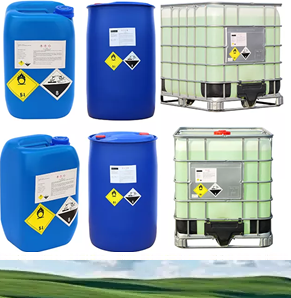
- Scalable Supply: Whether you are an R&D lab requiring grams or a manufacturer requiring bulk drums, we cater to all sizes.
- Expert Guidance: Our team understands the regulatory landscape and can assist you in selecting the right grade for your specific application.
- Global Shipping: We ensure safe, compliant packaging and fast logistics.
Ready to place an order? Visit our store page to view our full inventory. If you have specific documentation requirements, our customer service team is ready to assist.
Regulatory Compliance and Safety
When working with USP chemicals, organizations must adhere to Good Manufacturing Practices (GMP). It is not enough to simply buy the right chemical; you must maintain the integrity of that chemical throughout your production cycle.
- Storage: Keep chemicals in climate-controlled areas as specified on the product SDS (Safety Data Sheet).
- Documentation: Always retain a copy of the CoA from the supplier in your internal quality logs.
- External Resources: For more information on pharmacopeial standards, visit the official USP website.
Frequently Asked Questions (FAQ)
Can I use USP grade chemicals for non-medical purposes?
Yes, but it is often more cost-effective to use technical grade chemicals for industrial applications (like heavy cleaning or construction) unless extreme purity is required.
What is the difference between USP and EP (European Pharmacopoeia) grades?
They are very similar. Often, chemicals are dual-certified as “USP/EP,” meaning they meet the standards of both the US and European governing bodies.
How do I request a CoA?
When you purchase from ChemicalsSuppliers.com, the CoA is provided electronically or included with your shipment.
Conclusion
The importance of USP grade chemicals cannot be overstated. They are the building blocks of consumer safety, medical efficacy, and industrial reliability. By sourcing from a trusted provider like ChemicalsSuppliers.com, you are ensuring that your business stands on a foundation of quality.
Visit us today at ChemicalsSuppliers.com to browse our high-purity inventory and secure the chemicals you need to drive your project forward.
Keyword Tags:
#USPGradeChemicals #PharmaceuticalGrade #ChemicalSupply #ChemicalsSuppliers #USPCertified #HighPurityChemicals #IndustrialChemicals #LabSupplies #ManufacturingRawMaterials #ChemicalDistributor #QualityControl #PharmacopeiaStandards #GlycerinUSP #PropyleneGlycolUSP #IsopropylAlcoholUSP #ChemicalsMarket #B2BChemicals #FDAStandards #ChemicalSafety #LaboratoryEquipment #SupplierLogistics