Ethyl Ether: A Guide to Properties, Industrial Applications, and Procurement
Ethyl Ether—commonly known as Diethyl Ether or simply Ether. Whether you are navigating the nuances of organic synthesis, exploring the history of anesthesia, or seeking high-purity solvents for industrial extraction, understanding the chemical profile of $C_4H_{10}O$ is essential.
At Chemicals Suppliers, we bridge the gap between complex chemical requirements and reliable global supply chains. This guide serves as the definitive resource for researchers, procurement officers, and industrial chemists looking to source, handle, and utilize Ethyl Ether effectively.
What is Ethyl Ether?
Ethyl Ether (CAS Number: 60-29-7) is a colorless, highly volatile, and extremely flammable liquid with a characteristically sweet, pungent odor. It is an ether in which the oxygen atom is linked to two ethyl groups. Because of its low boiling point (34.6°C) and its ability to dissolve a wide array of organic compounds, it remains a staple in pharmaceutical manufacturing, chemical synthesis, and laboratory research.
Molecular Profile
- Chemical Formula: $(C_2H_5)_2O$
- Molar Mass: 74.12 g/mol
- Appearance: Clear, colorless liquid
- Density: 0.713 g/mL
- Solubility: Slightly soluble in water; highly miscible with most organic solvents.
Industrial and Laboratory Applications
1. Organic Solvent and Extraction
Ethyl Ether is widely prized for its ability to extract organic compounds from aqueous solutions. In liquid-liquid extraction, it is often the solvent of choice for isolating alkaloids, lipids, and other non-polar substances. Its low boiling point allows for rapid removal via evaporation, leaving behind the desired solute with minimal thermal stress.
2. The Pharmaceutical Revolution
Historically, Ethyl Ether was the primary inhalation anesthetic used globally. While modern medicine has shifted toward safer, less flammable alternatives, it remains a critical chemical intermediate in the synthesis of various pharmaceutical ingredients.
3. Engine Starting Fluids
Due to its high volatility and low auto-ignition temperature, Diethyl Ether is a primary component in many “starting fluids” for diesel and gasoline engines, particularly in cold climates.
4. Grignard Reagent Synthesis
One of the most important uses of anhydrous Ethyl Ether is as a solvent for Grignard reactions. The lone pairs of electrons on the oxygen atom coordinate with the magnesium atom in Grignard reagents, effectively stabilizing the reaction medium.
Safety and Handling: A Priority
Given its extreme flammability and tendency to form explosive peroxides upon exposure to air and light, safety is non-negotiable.
- Peroxide Formation: Ethyl Ether must be stored in amber glass bottles or metal containers to prevent light-catalyzed peroxide formation. Always test for peroxides before distillation.
- Static Sensitivity: Ether vapors are heavier than air and can travel along floors to distant sources of ignition. Ensure all equipment is properly grounded.
- Ventilation: Always work within a certified chemical fume hood.
Pricing and Procurement (2024/2025 Trends)
Procuring high-purity Ethyl Ether requires a partner that prioritizes quality control and logistics compliance. At Chemicals Suppliers, we offer tiered pricing based on volume and purity specifications (e.g., ACS Reagent Grade, HPLC Grade).
- Small Scale (500mL – 2.5L): Ideal for academic research ($45 – $120 depending on grade).
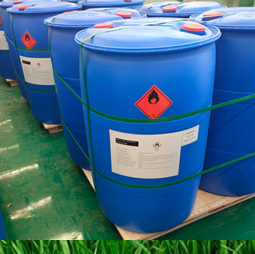
- Industrial Bulk (20L – 200L Drums): Optimized for manufacturing pipelines (Contact our Sales Desk for bulk quotes).
- Tote/ISO Tank: Custom volume solutions for global industrial supply chains.
Note: Prices fluctuate based on global feedstock availability and energy costs. Always request a current quote via our Quote Request Form.
Related Chemicals and Procurement List
Searching for more than just Ethyl Ether? At Chemicals Suppliers, we provide a comprehensive catalog of reagents and industrial solvents. Below are 50+ chemicals often paired with Ethyl Ether in industrial synthesis:
- Tetrahydrofuran (THF)
- Acetone
- Methanol
- Ethanol (Absolute)
- Dichloromethane (Methylene Chloride)
- Chloroform
- Hexane
- Heptane
- Toluene
- Xylene
- Benzene
- Ethyl Acetate
- Isopropyl Alcohol (IPA)
- Acetonitrile
- Dimethyl Sulfoxide (DMSO)
- Dimethylformamide (DMF)
- N-Methyl-2-pyrrolidone (NMP)
- Diisopropyl Ether
- Methyl tert-butyl ether (MTBE)
- Petroleum Ether
- Cyclohexane
- Carbon Tetrachloride
- Pyridine
- Acetic Acid (Glacial)
- Hydrochloric Acid
- Sulfuric Acid
- Nitric Acid
- Sodium Hydroxide
- Potassium Hydroxide
- Diethylamine
- Triethylamine
- Formaldehyde
- Acetaldehyde
- Propylene Glycol
- Ethylene Glycol
- Glycerol
- Phenol
- Aniline
- Nitrobenzene
- Chlorobenzene
- Acetyl Chloride
- Phosphorus Oxychloride
- Thionyl Chloride
- Magnesium Turnings
- Sodium Metal
- Lithium Aluminum Hydride
- Sodium Borohydride
- Iodine Crystals
- Silver Nitrate
- Zinc Dust
- Potassium Permanganate
Where to buy these? All these high-quality reagents are available via our secure portal at https://www.chemicalssuppliers.com/.
Why Choose Chemicals Suppliers?
In an industry where purity and safety are paramount, choosing the right supplier is the most critical step. We distinguish ourselves through:
- Purity Assurance: Every batch is tested against strict CoA (Certificate of Analysis) standards.
- Global Logistics: We navigate international hazmat regulations to ensure your chemicals arrive safely and on time.
- Technical Support: Our team provides documentation, MSDS/SDS sheets, and regulatory guidance for every shipment.
Click here to view our full product catalog and request a quote.
Global Perspectives: Multi-Language Search Indexing
To support our international clients, we recognize Ethyl Ether under various nomenclatures and local trade names:
- Mandarin Chinese: 乙醚 (Yǐmí)
- Hindi: एथिल ईथर (Ethyl Ether)
- Spanish: Éter etílico
- Arabic: إيثر إيثيلي (Ether Ithili)
- French: Éther diéthylique
- Korean: 에틸 에테르 (Etil Etere)
- Cantonese: 乙醚 (Yǐtmí)
- Portuguese: Éter etílico
- Indonesian: Etil eter
- Russian: Диэтиловый эфир (Dietilovy efir)
- German: Diethylether
- Japanese: エーテル (Ēteru / Diethyl ether)
- Vietnamese: Ete etylic
- Shanghainese: 乙醚
- Turkish: Etil eter
Frequently Asked Questions (FAQ)
Is Ethyl Ether the same as Ether?
Yes, in common parlance, “Ether” usually refers to Diethyl Ether, although chemically, “ether” is a class of organic compounds characterized by an oxygen atom connected to two alkyl or aryl groups.
Can I purchase Ethyl Ether for home use?
Ethyl Ether is a controlled, hazardous substance. It is primarily sold to industrial, academic, and government laboratories. Proper licensing and safety infrastructure are required.
How should I store the material?
Keep it in a dedicated, cool, and well-ventilated flammable liquid storage cabinet. Avoid exposure to direct sunlight and ensure the container is tightly sealed to stabilize it against oxidation.
External Resources for Further Reading
Disclaimer: This content is for professional, educational, and procurement purposes only. Ethyl Ether is highly flammable and volatile; always handle chemicals in compliance with local safety regulations, OSHA guidelines, and SDS protocols. Always visit Chemicals Suppliers to discuss your specific safety and procurement requirements.