Lauric Acid: Properties, Applications, and Strategic Procurement
Lauric Acid. Known systematically as Dodecanoic Acid (IUPAC name), this medium-chain fatty acid is the backbone of the surfactant, cosmetic, and food industries. Whether you are a formulator looking for high-purity raw materials or a procurement manager seeking reliable supply chains, understanding the nuances of lauric acid is critical.
At ChemicalsSuppliers.com, we specialize in bridging the gap between rigorous industrial demand and high-quality chemical sourcing. This comprehensive guide explores everything from the molecular structure of Dodecanoic acid to global market trends, ensuring you have the data needed for informed decision-making.
What is Lauric Acid (Dodecanoic Acid)?
Lauric acid ($C_{12}H_{24}O_2$) is a saturated medium-chain fatty acid. It appears as a white, powdery solid at room temperature with a faint odor of bay oil—the plant from which it derives its name (Laurus nobilis).
Chemical Profile
- CAS Number: 143-07-7
- Molecular Weight: 200.32 g/mol
- Melting Point: 43.2 °C (109.8 °F)
- Solubility: Insoluble in water; soluble in ethanol, ether, and methanol.
Unlike long-chain fatty acids, the “medium-chain” nature of lauric acid (containing 12 carbon atoms) allows it to be metabolized differently by biological systems and imparts unique emulsifying properties in chemical formulations.
Industrial Applications: Why Lauric Acid Matters
Lauric acid is not merely a commodity; it is a fundamental building block. Its applications span multiple sectors:
1. Surfactants and Detergents
The primary use of lauric acid is in the production of soaps and surfactants. By reacting lauric acid with sodium hydroxide or potassium hydroxide, manufacturers create Sodium Laurate, a mild, high-foaming surfactant used in everything from facial cleansers to industrial degreasers.
2. Cosmetic and Personal Care
Because of its antimicrobial properties, lauric acid is a staple in acne-fighting skincare products. It helps regulate the skin barrier and acts as an emollient, preventing transepidermal water loss.
3. Food and Nutraceuticals
Lauric acid is famously abundant in coconut oil (comprising about 50% of its fat content). It is widely researched for its role in MCT (Medium Chain Triglyceride) oils, which are popular in ketogenic diets for rapid energy conversion.
4. Polymer Chemistry
It serves as a precursor for the production of lauryl alcohols and lauryl esters, which are essential intermediates in the synthesis of plasticizers and lubricants.
Sourcing Quality: Why Choose Chemicalssuppliers.com?
Procuring chemicals requires more than just finding a price—it requires assurance of purity, regulatory compliance, and logistical efficiency. At ChemicalsSuppliers.com, we provide:
- Purity Certification: Ensuring your lauric acid meets USP/NF standards.
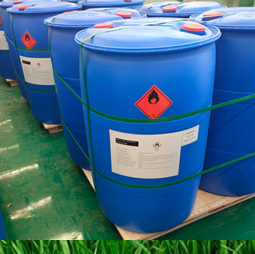
- Bulk Logistics: Capable of handling everything from drum quantities to multi-ton ISO tanks.
- Transparency: Real-time pricing and verified chemical specifications.
50+ Related Chemicals and Sourcing Guide
Below is a curated list of related fatty acids, esters, and specialty chemicals. You can inquire about current pricing and availability by visiting ChemicalsSuppliers.com.
| Chemical Name |
CAS Number |
Common Application |
| Myristic Acid |
544-63-8 |
Soaps/Cosmetics |
| Palmitic Acid |
57-10-3 |
Food/Lubricants |
| Stearic Acid |
57-11-4 |
Rubber/Plastics |
| Caprylic Acid |
124-07-2 |
Food/Flavoring |
| Capric Acid |
334-48-5 |
Pharmaceuticals |
| Oleic Acid |
112-80-1 |
Emulsifiers |
| Linoleic Acid |
60-33-3 |
Coatings/Resins |
| Sodium Lauryl Sulfate (SLS) |
151-21-3 |
Detergents |
| Sodium Laureth Sulfate (SLES) |
68585-34-2 |
Shampoos |
| Lauryl Alcohol |
112-53-8 |
Surfactant synthesis |
| Glycerol Monolaurate |
142-18-7 |
Food Preservative |
| Isopropyl Myristate |
110-27-0 |
Emollients |
| Caprylic/Capric Triglyceride |
73398-61-5 |
Skincare |
| Behenic Acid |
112-85-6 |
Hair Conditioners |
| Ricinoleic Acid |
141-22-0 |
Lubricants |
| Erucic Acid |
112-86-7 |
Bioplastics |
| Ethyl Laurate |
106-33-2 |
Fragrances |
| Methyl Laurate |
111-82-0 |
Biodiesel/Intermediate |
| Coco Fatty Acid |
61788-47-4 |
Soap manufacturing |
| Palmitoyl Chloride |
112-67-4 |
Organic synthesis |
| Decanoic Acid |
334-48-5 |
Flavouring agent |
| Octanoic Acid |
124-07-2 |
Pesticides/Pharmaceuticals |
| Lauryl Betaine |
683-10-3 |
Personal care |
| Cocamidopropyl Betaine |
61789-40-0 |
Surfactants |
| Glycerin (Refined) |
56-81-5 |
Humectant |
| Propylene Glycol |
57-55-6 |
Solvent |
| Cetyl Alcohol |
36653-82-4 |
Stabilizer |
| Stearyl Alcohol |
112-92-5 |
Viscosity modifier |
| Myristyl Alcohol |
112-72-1 |
Emollient |
| Oleyl Alcohol |
143-28-2 |
Industrial solvent |
| Lauryl Glucoside |
110615-47-9 |
Green surfactants |
| Caprylyl Glucoside |
54549-25-6 |
Cleaning agents |
| Sodium Cocoate |
61789-31-9 |
Natural soaps |
| Potassium Laurate |
10124-65-7 |
Liquid soaps |
| Zinc Stearate |
557-05-1 |
Polymer additive |
| Calcium Stearate |
1592-23-0 |
Plastic lubricant |
| Magnesium Stearate |
557-04-0 |
Pharma tableting |
| Monoglycerides |
31566-31-1 |
Food emulsifier |
| Diglycerides |
126-72-7 |
Food additive |
| Triglycerides (MCT) |
65381-09-1 |
Dietetic products |
| Lauryl Amine |
124-22-1 |
Corrosion inhibitors |
| Stearylamine |
124-30-1 |
Flotation agents |
| Oleylamine |
112-90-3 |
Textile chemicals |
| Lauryl Chloride |
112-52-7 |
Chemical intermediate |
| Polysorbate 20 |
9005-64-5 |
Solubilizer |
| Polysorbate 80 |
9005-65-6 |
Food/Cosmetics |
| Sorbitan Monostearate |
1338-41-6 |
Food emulsifier |
| Lactic Acid |
50-21-5 |
Preservative |
| Citric Acid |
77-92-9 |
Acidifier |
| Ascorbic Acid (Vitamin C) |
50-81-7 |
Antioxidant |
(For current pricing, technical data sheets [TDS], and Material Safety Data Sheets [MSDS], visit ChemicalsSuppliers.com and use our live quote engine.)
The Chemical Supply Chain: Challenges and Opportunities
The global market for fatty acids is heavily influenced by the availability of vegetable oils (palm kernel oil and coconut oil). As sustainability becomes a core pillar of the chemical industry, the demand for RSPO-certified (Roundtable on Sustainable Palm Oil) lauric acid has surged.
Strategic Sourcing Tips
- Understand Grades: Always specify if you need food-grade, pharma-grade, or technical-grade.
- Market Timing: Fatty acid prices fluctuate based on agricultural harvest cycles. Buying in off-peak seasons can lead to significant cost savings.
- Logistics: Ensure your supplier provides proper documentation (CoA, REACH compliance, and certificates of origin) to avoid customs delays.
Global Perspectives and Multilingual Terminology
To cater to our international clients, we recognize the importance of the terminology used in local markets for Dodecanoic Acid:
- Chinese: 月桂酸 (Yuèguì suān)
- Hindi: लॉरिक एसिड (Lauric acid)
- Spanish: Ácido láurico
- Arabic: حمض اللوريك (Hamd al-lawrik)
- French: Acide laurique
- Bengali: লরিক অ্যাসিড
- Korean: 라우르산 (Laur-san)
- Portuguese: Ácido láurico
- Indonesian: Asam laurat
- Russian: Лауриновая кислота (Laurinovaya kislota)
- German: Laurinsäure
- Japanese: ラウリン酸 (Raurin-san)
- Vietnamese: Axit lauric
- Turkish: Laurik asit
Why Our Platform Stands Out
Unlike generic marketplaces, ChemicalsSuppliers.com is built for professional chemists, procurement teams, and industrial formulators. We do not just list products; we provide the technical background and supply chain reliability that your project requires.
Commitment to Education
We believe that a well-informed buyer is a successful partner. By providing deep-dive articles on fatty acids and their derivatives, we help you understand the chemical interactions, safety protocols, and market drivers that impact your production line.
How to Get Started
- Visit our website: ChemicalsSuppliers.com
- Search: Use our search bar for “Lauric Acid” or any of the 50+ chemicals listed above.
- Request a Quote: Specify your volume and shipping location to receive a competitive landed-cost estimate.
- Consultation: Our team of industrial chemists is available to assist with formulation questions, ensuring that the raw materials you purchase are perfectly suited for your end application.
Conclusion: The Future of Lauric Acid
As industries pivot toward greener, more sustainable raw materials, lauric acid remains at the forefront. Its ability to serve as a surfactant base, an antimicrobial agent, and a nutritional supplement makes it irreplaceable in modern industrial chemistry.
Whether you are scaling a production facility or sourcing for a boutique cosmetic line, having a reliable supply chain is the difference between stagnation and growth. Trust ChemicalsSuppliers.com to be your partner in quality and procurement excellence.
Further Reading & Resources