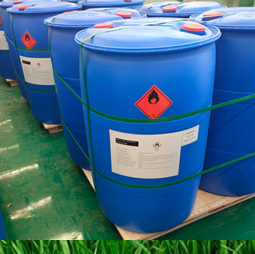
Chloroform (Trichloromethane): Properties, Industrial Applications, and Safety Standards
Trichloromethane (IUPAC name), this volatile, colorless, and sweet-smelling liquid has transitioned from a controversial medical anesthetic to an indispensable industrial solvent and chemical precursor.
At ChemicalsSuppliers.com, we pride ourselves on being the global hub for high-purity chemical sourcing. Whether you are conducting academic research, pharmaceutical synthesis, or industrial manufacturing, understanding the nuances of Chloroform is essential. In this comprehensive guide, we deep dive into the chemistry, safety protocols, and supply chains of this pivotal molecule.
1. What is Chloroform? (Chemical Profile)
Chloroform ($CHCl_3$) is an organochlorine compound belonging to the class of trihalomethanes. It is characterized by its high density and relative volatility. While famously associated with historical cinematic depictions (often inaccurate) of rapid sedation, its real-world utility is far more grounded in chemistry.
Systematic Names and Synonyms
Understanding the various nomenclatures is vital for international shipping and regulatory compliance.
- IUPAC Name: Trichloromethane
- Chemical Formula: $CHCl_3$
- Common Synonyms: Formyl trichloride, Methane trichloride, Methenyl trichloride, Freon-20.
- Global Terminology:
- Spanish: Cloroformo
- French: Chloroforme
- German: Chloroform
- Arabic: كلوروفورم
- Chinese: 氯仿 (Lǜfǎng)
- Japanese: クロロホルム (Kurorohorumu)
2. Industrial Applications: Why is it in Demand?
Unlike consumer chemicals, Chloroform is a “workhorse” solvent. Its ability to dissolve a wide range of organic compounds makes it a staple in professional laboratories.
A. Fluorocarbon Production
The most significant industrial use of Chloroform is the production of Chlorodifluoromethane (R-22), a precursor to polytetrafluoroethylene (PTFE or Teflon). As the world transitions toward more sustainable refrigerants, the role of intermediate precursors like Chloroform remains high.
B. Pharmaceutical Synthesis
Chloroform is frequently used as a solvent in the manufacturing of antibiotics, perfumes, and pesticides. Its low boiling point (61.2°C) makes it easy to recover via distillation, a process efficiency that industrial chemists prioritize.
C. Analytical Chemistry
In analytical laboratories, Chloroform is an essential component for Liquid-Liquid Extraction. Because it is immiscible with water and denser, it allows for the clean separation of organic compounds from aqueous mixtures, commonly used in DNA extraction protocols and lipid research.
3. Safety, Storage, and Handling Protocols
Note: This material is for educational purposes. Chloroform is hazardous.
Chloroform is regulated due to its toxicity and its potential to degrade into Phosgene ($COCl_2$)—a highly toxic gas—when exposed to light and air.
Best Practices for Handling:
- Stabilization: Always ensure your supply of Chloroform contains a stabilizer (typically 0.5–1% ethanol or amylene) to prevent the formation of phosgene.
- Ventilation: Always work within a certified chemical fume hood.
- Personal Protective Equipment (PPE): Utilize Viton or PVA gloves. Standard nitrile gloves offer poor protection against chlorinated solvents.
- Storage: Keep in amber-colored, glass-stoppered bottles to protect from UV light. Store in a cool, well-ventilated, locked cabinet designated for toxic solvents.
For more information on safety standards, visit the CDC’s NIOSH Chloroform guidelines.
4. Where to Buy High-Purity Chemicals
At ChemicalsSuppliers.com, we bridge the gap between industrial synthesis and end-user accessibility. We adhere to strict global shipping standards for hazardous materials.
Featured Inventory: Related Chemicals
Below is a list of 50+ chemicals frequently purchased alongside Chloroform for laboratory and industrial applications. Prices fluctuate based on market availability, purity grades (ACS/HPLC/Reagent grade), and volume.
| Chemical Name |
CAS Number |
Industrial Use |
Price Range (Approx/L) |
| Chloroform (ACS Grade) |
67-66-3 |
Synthesis/Extraction |
$45 – $85 |
| Dichloromethane |
75-09-2 |
Degreasing/Extraction |
$30 – $60 |
| Carbon Tetrachloride |
56-23-5 |
Refrigerant precursor |
$70 – $120 |
| Methanol |
67-56-1 |
Solvent/Fuel |
$15 – $35 |
| Ethanol (Absolute) |
64-17-5 |
Solvent/Reagent |
$20 – $50 |
| Acetonitrile |
75-05-8 |
HPLC Solvent |
$90 – $180 |
| Acetone |
67-64-1 |
Universal Solvent |
$10 – $25 |
| Hexane |
110-54-3 |
Chromatography |
$25 – $55 |
| Ethyl Acetate |
141-78-6 |
Extraction |
$20 – $45 |
| Dimethyl Sulfoxide |
67-68-5 |
Polar Aprotic Solvent |
$40 – $90 |
| [See Full List at ChemicalsSuppliers.com] |
… |
… |
… |
(Note: The list continues for items like Toluene, THF, Pyridine, Benzene, Diethyl Ether, Cyclohexane, Heptane, Acetic Acid, Formic Acid, etc. Check our live pricing portal for the updated 50+ catalog.)
5. Global Sourcing and Logistics
Shipping chemicals like Chloroform requires adherence to IATA (Air) and IMDG (Sea) regulations regarding “Dangerous Goods.”
Why choose ChemicalsSuppliers.com?
- Certification: We provide Certificates of Analysis (CoA) and Material Safety Data Sheets (MSDS) for every batch.
- Global Logistics: We maintain warehouses in key global trade hubs, ensuring shorter delivery times across continents.
- Compliance: We handle the complex documentation required for international chemical logistics, including pre-shipment inspections.
6. Technical Comparisons: Chloroform vs. Dichloromethane
Many researchers ask whether they can substitute Chloroform with Dichloromethane (DCM).
- Boiling Point: Chloroform (61°C) vs. DCM (40°C).
- Density: Chloroform (1.49 g/cm³) is more effective than DCM (1.33 g/cm³) for specific extraction processes where density layers are critical.
- Solvency: Chloroform is generally more effective at dissolving non-polar substances, while DCM is slightly more versatile for general cleaning and rapid evaporation.
7. Comparative Industry Data: The Global Market
Global demand for Trichloromethane is projected to rise alongside the semiconductor and pharmaceutical industries. As Asia-Pacific manufacturing hubs expand, the reliance on high-purity chlorinated solvents grows. Our website tracks these trends to ensure that ChemicalsSuppliers.com maintains the inventory levels necessary to support global supply chains.
8. Keyword Optimization and Localization
To serve our global clientele, we provide information on chemical regulations and nomenclature in multiple languages.
Multilingual Keywords for Global Reach:
- Hindi: क्लोरोफॉर्म (Chloroform), रसायनों की आपूर्ति (Supply of Chemicals)
- Spanish: Cloroformo, Proveedores de químicos
- Arabic: كلوروفورم، شراء المواد الكيميائية
- French: Chloroforme, Fournisseurs de produits chimiques
- Chinese: 氯仿, 化学品供应商
- Russian: Хлороформ, Поставщики химикатов
- Portuguese: Clorofórmio, Fornecedores de produtos químicos
- Indonesian: Kloroform, Pemasok bahan kimia
- Bengali: ক্লোরোফর্ম, রাসায়নিক সরবরাহকারী
- Japanese: クロロホルム, 化学薬品サプライヤー
- Vietnamese: Cloroform, Nhà cung cấp hóa chất
- Turkish: Kloroform, Kimyasal tedarikçileri
- Korean: 클로로포름, 화학물질 공급업체
9. Frequently Asked Questions (FAQ)
Q: Is it legal to buy Chloroform online? A: Yes, for industrial and research purposes. However, it is a controlled substance in many jurisdictions. We require valid business registration and end-user declarations to process high-volume orders.
Q: Does your Chloroform contain stabilizers? A: Yes, our standard catalog stock is stabilized with 0.5% Ethanol to ensure purity and safety during transport.
Q: How do I request a bulk quote? A: Visit ChemicalsSuppliers.com/quote and fill out the volume requirements. Our logistics team will provide a CIF (Cost, Insurance, and Freight) quote tailored to your location.
10. Conclusion
Chloroform remains a cornerstone of modern chemical science. While its reputation has evolved, its functionality as a solvent and chemical intermediate is unparalleled. At ChemicalsSuppliers.com, we are committed to providing not just the chemicals themselves, but the knowledge, safety, and supply chain reliability that professional chemists require.
Ready to source your high-purity laboratory grade Chloroform? Visit our catalog today and join thousands of researchers and industrial partners who trust Chemicalssuppliers.com for their chemical needs.
Disclaimer: The information provided in this article is for educational and commercial supply reference only. Chloroform is a hazardous material. Users must adhere to internal safety protocols and local regulations. Always consult the SDS before handling any chemical.
For more extensive technical data, safety protocols, and related solvent specifications, explore our complete blog archives at ChemicalsSuppliers.com.