
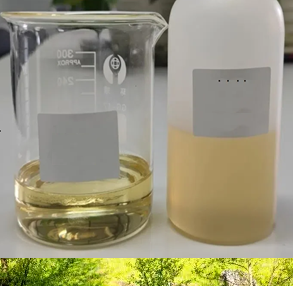
Wood Finishing Chemicals: Prices, Sourcing, Science, and Best Practices for Professionals
Woodworking is an art form that sits at the intersection of nature and chemistry. While a master carpenter can shape a piece of raw timber into a masterpiece, the longevity, lustrous feel, and protective durability of that piece rely entirely on the wood finishing chemicals applied during the final stages of production.
At ChemicalsSuppliers.com, we recognize that for furniture manufacturers, cabinetry shops, and artisan woodworkers, sourcing consistent, high-quality chemical agents is not just a logistical necessity—it is the foundation of quality control. This comprehensive guide explores the landscape of wood finishing, the chemistry behind success, and how to source the materials you need to compete on a global scale.
Understanding Wood Finishing: The Chemistry of Protection
Wood finishing is more than just aesthetics; it is an engineered application of chemical layers designed to seal the porous structure of wood against moisture, UV rays, microbial growth, and mechanical wear. Whether you are using a polyurethane resin, a cellulose nitrate lacquer, or a tung oil sealer, you are effectively managing the interaction between synthetic polymers and natural cellulose fibers.
Key Categories of Finishing Chemicals
- Solvents and Thinners: The vehicles that carry the resin.
- Resins (Binders): The substances that cure to form the film.
- Stains and Dyes: Chemical pigments used to alter wood tone.
- Catalysts and Hardeners: Agents that accelerate polymerization.
- Additives: UV blockers, leveling agents, and anti-foaming agents.
Building Your Portfolio: 70+ Essential Wood Finishing Chemicals
Sourcing these chemicals requires a reliable supply chain. At ChemicalsSuppliers.com, we bridge the gap between industrial chemical synthesis and professional end-users. Below are 70 essential compounds used in the wood finishing trade.
| Chemical/Compound | Systematic Name | Common Synonym | Typical Use |
|---|---|---|---|
| 1. Acetone | Propan-2-one | Dimethyl ketone | Solvent/Degreaser |
| 2. Toluene | Methylbenzene | Toluol | Lacquer thinner |
| 3. Xylene | Dimethylbenzene | Xylol | Resin solvent |
| 4. Butyl Acetate | Butyl ethanoate | Butyl ester | Lacquer solvent |
| 5. Ethyl Acetate | Ethyl ethanoate | Acetic ester | Solvent |
| 6. MEK | Butan-2-one | Methyl ethyl ketone | Powerful solvent |
| 7. Ethanol | Ethyl alcohol | Grain alcohol | Solvent/Cleaner |
| 8. Methanol | Methyl alcohol | Wood alcohol | Solvent |
| 9. Isopropanol | Propan-2-ol | IPA | Cleaner |
| 10. Mineral Spirits | Stoddard solvent | White spirits | Oil thinning |
| 11. Tung Oil | (Derived from Vernicia fordii) | China wood oil | Natural finish |
| 12. Linseed Oil | Flaxseed oil | Boiled linseed oil | Drying oil |
| 13. Shellac | Resin of Kerria lacca | Lac | Natural sealer |
| 14. Nitrocellulose | Cellulose nitrate | Guncotton | Lacquer resin |
| 15. Polyurethane | Carbamate resin | Urethane resin | Durable topcoat |
| 16. Epoxy Resin | Bisphenol A diglycidyl ether | Polyepoxide | Casting/Sealer |
| 17. Cyclohexanone | Ketohexamethylene | Pimelic ketone | Solvent |
| 18. N-Butanol | Butan-1-ol | Butyl alcohol | Solvent/Leveler |
| 19. Propylene Glycol | Propane-1,2-diol | PG | Coalescing agent |
| 20. Dibutyl Phthalate | DBP | Plasticizer | Flexibility additive |
| 21. Iron Oxide Yellow | FeO(OH) | Yellow pigment | Stain |
| 22. Iron Oxide Red | Fe2O3 | Hematite | Stain |
| 23. Carbon Black | Amorphous carbon | Lamp black | Pigment |
| 24. Benzoyl Peroxide | Dibenzoyl peroxide | Catalyst | Hardener |
| 25. Cobalt Octoate | Cobalt(II) 2-ethylhexanoate | Drying accelerator | Drier |
| 26. Manganese Naphthenate | Mn salt of naphthenic acid | Drier | Metallic drier |
| 27. Methylene Chloride | Dichloromethane | DCM | Stripper |
| 28. Diacetone Alcohol | 4-hydroxy-4-methylpentan-2-one | DAA | Solvent |
| 29. Glycol Ether PM | 1-Methoxy-2-propanol | PM solvent | Coalescing agent |
| 30. Glycol Ether EB | 2-Butoxyethanol | Butyl cellosolve | Solvent |
| 31. Ammonia | Azane | Ammonium hydroxide | pH adjuster |
| 32. Oxalic Acid | Ethanedioic acid | Wood bleach | Stain remover |
| 33. Hydrogen Peroxide | H2O2 | Perhydrol | Whitener/Bleach |
| 34. Sodium Hydroxide | Lye | Caustic soda | Stripper |
| 35. Citric Acid | 2-hydroxypropane-1,2,3-tricarboxylic acid | Sour salt | pH modifier |
| 36. Paraffin Wax | Alkane wax | Petroleum wax | Moisture barrier |
| 37. Carnauba Wax | Copernicia prunifera wax | Brazil wax | Polishing agent |
| 38. Beeswax | Apis mellifera wax | Yellow wax | Natural polish |
| 39. Formaldehyde | Methanal | Methyl aldehyde | Resin precursor |
| 40. Phenol | Carbolic acid | Hydroxybenzene | Resin component |
| 41. Urea | Carbamide | Carbonyl diamide | Resin precursor |
| 42. Melamine | 1,3,5-triazine-2,4,6-triamine | Cyanurotriamide | Hardening resin |
| 43. Alkyd Resin | Polyester resin | Oil-modified polyester | Varnish |
| 44. Acrylic Resin | Polyacrylate | Acrylic polymer | Water-borne finish |
| 45. Vinyl Acetate | Ethenyl ethanoate | VAM | Adhesive/Binder |
| 46. Silicone Oil | Polydimethylsiloxane | PDMS | Anti-foaming |
| 47. Cab-O-Sil | Fumed silica | Silicon dioxide | Thickener |
| 48. Talc | Magnesium silicate | French chalk | Filler |
| 49. Calcium Carbonate | Chalk | Whiting | Filler/Extender |
| 50. Titanium Dioxide | TiO2 | Pigment white 6 | Opacifier |
| 51. Phthalocyanine Blue | C32H16CuN8 | Pigment Blue 15 | Dye |
| 52. Solvent Red 24 | Oil Red | Azo dye | Wood stain |
| 53. Solvent Yellow 14 | Sudan I | Azo dye | Wood stain |
| 54. Benzotriazole | UV Absorber | Light stabilizer | UV protection |
| 55. HALS | Hindered Amine Light Stabilizer | Light stabilizer | UV protection |
| 56. Butyl Benzyl Phthalate | BBP | Plasticizer | Flexibility |
| 57. Methyl Isobutyl Ketone | MIBK | 4-Methylpentan-2-one | Solvent |
| 58. Ethylbenzene | Phenylethane | EB | Solvent |
| 59. Isophorone | 3,5,5-trimethylcyclohex-2-en-1-one | Solvent | High-boiling solvent |
| 60. Diethylene Glycol | Diglycol | DEG | Solvent |
| 61. Triethylene Glycol | TEG | Hygroscopic agent | Drying retarder |
| 62. Zinc Stearate | Zinc octadecanoate | Sanding aid | Lubricant |
| 63. Aluminum Stearate | Aluminum tristearate | Thickener/Gelling | Lubricant |
| 64. Gum Arabic | Acacia gum | Water-soluble resin | Binder |
| 65. Dammar Resin | Cat’s eye resin | Natural varnish | Hardener |
| 66. Sandarac | Callitris resin | Varnish resin | Hardener |
| 67. Rosin | Colophony | Pine resin | Adhesive/Varnish |
| 68. Mineral Oil | Liquid paraffin | White oil | Food safe finish |
| 69. Castor Oil | Ricinus oil | Triglyceride | Lubricant |
| 70. Polyvinyl Alcohol | PVOH | PVA | Barrier coat |
(Note: Pricing for these chemicals fluctuates based on market demand, purity grade [Technical vs. ACS], and shipping logistics. Please visit ChemicalsSuppliers.com to request a live quote and current inventory status.)
Where to Buy: Streamlining Your Procurement
Sourcing chemicals is often the bottleneck in furniture production. For small-to-medium enterprises (SMEs) and large-scale industrial woodworkers, the goal is consistent quality and rapid delivery.
When buying wood finishing chemicals, prioritize suppliers who provide:
- Certificate of Analysis (COA): Ensuring the purity levels meet your technical specifications.
- Safety Data Sheets (SDS): Compliance with international labor and safety standards.
- Bulk Availability: Discounts on drum-sized quantities (typically 200L) versus smaller packaging.
Visit ChemicalsSuppliers.com to browse our directory of industrial-grade chemical suppliers. We connect you with manufacturers who specialize in high-purity solvents, resins, and specialized additives that keep your wood products at the pinnacle of industry standards.
The Future of Wood Finishing: Sustainability and Innovation
As global environmental standards (such as REACH in the EU and CARB regulations in the US) tighten, the industry is shifting toward Water-borne (WB) systems and High-Solids/Low-VOC coatings.
Trends to Watch:
- Bio-based Resins: Utilizing lignin and plant-based polyols to replace petroleum-derived monomers.
- Nano-coatings: Using nanotechnology to create surfaces that are scratch-resistant and self-cleaning.
- UV-Curing Technology: Shifting to instant-cure finishes to reduce energy consumption in the drying process.
For those interested in technical research, you can explore more about wood science at the Forest Products Laboratory or stay updated on coating advancements through the American Coatings Association.
Global Industry Terminology (Chemicals and Finishing)
To facilitate global communication, refer to these common terms in the languages of our international partners:
- English: Wood Finishing Chemicals
- Chinese (Simplified): 木材涂饰化学品 (Mùcái tú shì huàxué pǐn)
- Korean: 목재 마감 화학물질 (Mogjae magam hwahagmuljil)
- Portuguese: Produtos químicos para acabamento de madeira
- Indonesian: Bahan kimia pelapis kayu
- Russian: Химикаты для отделки древесины (Khimikaty dlya otdelki drevesiny)
- German: Holzveredelungschemikalien
- Japanese: 木材仕上げ用化学薬品 (Mokuzai shiage-yō kagaku yakuhin)
- Vietnamese: Hóa chất hoàn thiện gỗ
- Turkish: Ahşap cilalama kimyasalları
Conclusion: Partnering with ChemicalsSuppliers.com
Whether you are formulating a new line of UV-cured lacquers or simply looking for a reliable source of high-purity acetone for your workshop cleaning, your supply chain is the backbone of your business success.
At ChemicalsSuppliers.com, we provide the bridge to the global chemical market. Our commitment is to ensure that every drop of solvent, every gram of pigment, and every liter of resin you use meets the rigorous demands of the modern wood finishing industry.
Ready to start sourcing?
- Visit our website: https://www.chemicalssuppliers.com/
- Navigate to the “Industrial Chemicals” category.
- Use the contact form to request a custom quote or consult with our technical team today.