
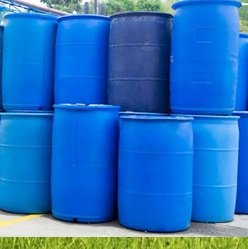
Sulfuric Acid (H₂SO₄): The Complete Guide — Prices, Uses, Grades, Safety & Where to Buy
Intro: The King of Industrial Chemicals
Few substances on Earth wield as much industrial influence as sulfuric acid. Often referred to as the “king of chemicals,” this colorless, dense, and powerfully corrosive liquid forms the backbone of modern industry. From the fertilizers that feed billions to the batteries that start your car, sulfuric acid — also known by its synonyms oil of vitriol, battery acid, hydrogen sulfate, and dipping acid — touches nearly every corner of the global economy.
The numbers tell a staggering story: the global sulfuric acid market was valued at approximately \$14.4 billion in 2025 and is projected to reach upwards of \$21.1 billion by 2033, with consistent annual growth rates hovering between 3.4% and 7.0% depending on the region . Worldwide production exceeds 260 million metric tons annually, making it the most produced chemical on the planet by volume — a title it has held for decades and shows no sign of relinquishing.
Whether you are a procurement manager sourcing bulk industrial-grade acid, a laboratory technician requiring reagent-grade purity, or a business owner exploring new chemical supply chains, understanding sulfuric acid in depth is not optional — it is essential. This comprehensive guide covers everything: its chemical identity, how it is manufactured, its myriad applications across industries, detailed pricing trends across global markets, the different grades and concentrations available, rigorous safety protocols, and — critically — where to buy sulfuric acid from trusted, verified suppliers.
Chemical Identity and Physical Properties
Sulfuric acid, with the molecular formula H₂SO₄, is a diprotic mineral acid composed of two hydrogen atoms, one sulfur atom, and four oxygen atoms. Its CAS registry number is 7664-93-9, and it carries a molar mass of 98.079 g/mol.
In its pure, concentrated form (typically 96–98% by weight), sulfuric acid presents as a dense, oily, and colorless to slightly yellow liquid. Its density at 25°C measures approximately 1.84 g/mL — nearly twice that of water . This high density means a gallon of concentrated sulfuric acid weighs roughly 15 pounds (6.8 kg). The boiling point sits around 337°C (639°F), while the freezing point varies significantly with concentration: 98% acid freezes at approximately 10°C (50°F), but more dilute solutions freeze at far lower temperatures.
One of sulfuric acid’s most distinctive — and dangerous — characteristics is its extraordinary affinity for water. When mixed with water, the reaction is violently exothermic; the solution can boil and splatter if dilution is performed incorrectly. The golden rule, drilled into every chemistry student: Always Add Acid to water (AAA) — never the reverse. Pouring water into concentrated sulfuric acid can cause instantaneous steam explosions that spray corrosive liquid in all directions.
Sulfuric acid is fully miscible with water at all concentrations, and its dissociation occurs in two stages: first into the hydronium ion (H₃O⁺) and the bisulfate ion (HSO₄⁻), and subsequently into a second hydronium ion and the sulfate ion (SO₄²⁻). This diprotic nature makes it an exceptionally versatile reagent in both laboratory and industrial settings.
How Sulfuric Acid Is Manufactured: The Contact Process
The overwhelming majority of the world’s sulfuric acid is produced via the Contact Process, with the more advanced Double Contact Double Absorption (DCDA) variant now representing the industry standard due to its superior conversion efficiency and lower environmental emissions .
The process unfolds across four distinct stages:
Stage 1 — Sulfur Dioxide Generation: Elemental sulfur is burned in dry air inside a combustion furnace, producing sulfur dioxide gas (SO₂). Alternatively, SO₂ can be sourced from the roasting of sulfide ores such as pyrite (iron sulfide) or from the regeneration of spent acid in petroleum refining. The reaction is straightforward: S + O₂ → SO₂. This step generates immense heat, which modern plants recover as steam for power generation, significantly improving overall energy efficiency.
Stage 2 — Catalytic Oxidation to Sulfur Trioxide: The SO₂ gas stream, now cooled and purified, passes through a fixed-bed catalytic converter containing vanadium pentoxide (V₂O₅) catalyst at temperatures between 400°C and 450°C. Here, SO₂ reacts with additional oxygen to form sulfur trioxide (SO₃): 2SO₂ + O₂ ⇌ 2SO₃. This equilibrium reaction is exothermic and sensitive to both temperature and pressure — conditions are meticulously controlled to push conversion rates above 99.5% in modern DCDA plants.
Stage 3 — Absorption in Concentrated Acid: Rather than absorbing SO₃ directly in water (which would produce an unmanageable, corrosive mist), the gas is absorbed into circulating 98% sulfuric acid. The SO₃ reacts with the small water fraction present, forming additional H₂SO₄: SO₃ + H₂O → H₂SO₄. The product emerges as oleum (H₂S₂O₇), which is subsequently diluted to the desired final concentration.
Stage 4 — Double Absorption Loop: In the DCDA configuration, gases exiting the first absorption tower pass through a second converter bed and absorption tower, pushing overall conversion efficiency above 99.7% and dramatically reducing SO₂ stack emissions — a critical environmental and regulatory consideration.
Global production is dominated by major chemical conglomerates including BASF SE, The Mosaic Company, AkzoNobel N.V., PVS Chemicals, Chemtrade Logistics, DuPont, and Boliden Group, among others . China alone accounts for roughly one-third of global production capacity, driven largely by its massive phosphate fertilizer industry.
Major Applications: Where Sulfuric Acid Powers the World
The sheer breadth of sulfuric acid’s applications is unmatched by any other industrial chemical. Here are the primary sectors that depend on it:
1. Fertilizer Production (Approximately 60% of Global Consumption)
The single largest consumer of sulfuric acid is the phosphate fertilizer industry. Sulfuric acid is used to digest phosphate rock — a process called “acidulation” — converting insoluble tricalcium phosphate into plant-available monocalcium phosphate (single superphosphate) or, through further reaction, into phosphoric acid (H₃PO₄). This phosphoric acid then becomes the foundation for diammonium phosphate (DAP), monoammonium phosphate (MAP), and triple superphosphate (TSP) — the fertilizers that sustain global agriculture .
Without sulfuric acid, modern intensive farming — and the food supply of eight billion people — would simply not be possible at current productivity levels.
2. Petroleum Refining and Alkylation
In oil refineries, sulfuric acid serves as an acid catalyst in the alkylation unit, where isobutane reacts with light olefins (propylene, butylene) to produce high-octane alkylate — a premium blending component for clean-burning gasoline. Refinery-grade sulfuric acid (typically 93–98%) is used in large quantities, and the resulting “spent acid” is regenerated through thermal decomposition and reconstitution in dedicated acid regeneration plants.
3. Metal Processing, Mining, and Ore Leaching
The mining and metallurgy industries consume massive volumes of sulfuric acid for leaching copper, uranium, nickel, and zinc from their ores. In copper production, sulfuric acid is sprayed onto ore heaps in the “heap leaching” process, selectively dissolving copper minerals into a pregnant leach solution from which pure copper is recovered via solvent extraction and electrowinning (SX-EW). Steel pickling — the removal of oxide scale from hot-rolled steel prior to further processing — is another significant consumer .
4. Lead-Acid Battery Electrolyte
Every automotive battery on the road relies on sulfuric acid as the electrolyte. In a typical flooded lead-acid battery, the electrolyte is a roughly 33–37% by weight sulfuric acid solution, which participates directly in the electrochemical discharge and charge reactions that store and release electrical energy. This application alone ensures consistent demand from the automotive sector — both for original equipment and replacement batteries.
5. Chemical Synthesis and Manufacturing
Sulfuric acid is the precursor to a vast family of other chemicals: hydrochloric acid, nitric acid, hydrofluoric acid, aluminum sulfate (used in water treatment), titanium dioxide (the dominant white pigment), caprolactam (for nylon-6), and a broad range of dyes, pigments, sulfonated surfactants, and pharmaceutical intermediates. It is also a critical dehydrating agent, catalyst, and pH adjuster across countless chemical processes .
6. Wastewater Treatment and pH Control
Municipal and industrial water treatment facilities use sulfuric acid to neutralize alkaline waste streams, control pH during coagulation and flocculation, and regenerate ion-exchange resins. Its low cost and high effectiveness make it the acid of choice for large-scale water chemistry management.
7. Pulp and Paper, Textiles, and Emerging Applications
Additional applications span the pulp and paper industry (for pulping and bleaching), textile manufacturing (dye fixation and fiber processing), and emerging fields such as semiconductor manufacturing, where ultra-high-purity electronic-grade sulfuric acid is essential for silicon wafer cleaning and etching in integrated circuit fabrication. The high-purity sulfuric acid market alone is projected to grow from \$0.50 billion in 2025 to \$0.67 billion by 2030 .
Grades, Concentrations, and Specifications
Sulfuric acid is not a one-size-fits-all commodity. It is supplied across a spectrum of concentrations and purity grades, each tailored to specific applications:
| Grade / Concentration | Typical Purity | Primary Applications |
|---|---|---|
| **Commercial 60° Baumé** | ~77.7% H₂SO₄ | General industrial, pH adjustment, metal treatment |
| **Commercial 66° Baumé** | ~93.2% H₂SO₄ | Fertilizer production, mining, steel pickling |
| **Technical Grade 96%** | 96% H₂SO₄ | Alkylation, chemical manufacturing, bulk industrial |
| **Technical Grade 98%** | 98% H₂SO₄ | DCDA plant feedstock, oleum production, phosphate digestion |
| **ACS Reagent Grade** | 95.0–98.0% | Laboratory analysis, research, quality control |
| **High-Purity / Electronic Grade** | 96–98%, sub-ppb metals | Semiconductor wafer cleaning, microelectronics |
| **Oleum (Fuming Sulfuric Acid)** | 20–65% free SO₃ in H₂SO₄ | Sulfonation reactions, nitration, specialty chemical synthesis |
| **Battery Electrolyte** | ~33–37% H₂SO₄ | Lead-acid battery filling and maintenance |
| **Dilute Grades (30%, 50%)** | As specified | pH control, laboratory use, educational settings |
The 66° Baumé (93.2%) and 98% grades represent the highest-volume commercial forms. It is important to note that the remaining percentage in concentrated grades is almost entirely water — 98% sulfuric acid is, quite simply, 98 parts H₂SO₄ and 2 parts H₂O by weight .
For buyers, specifying the correct grade is critical: using electronic-grade acid for fertilizer production is an unnecessary expense, while using commercial-grade acid in semiconductor fabrication would be catastrophic. Always verify the required specification with your process engineers or application specialists before placing an order.
Global Pricing Landscape (2025–2026)
Sulfuric acid pricing is highly regional, influenced by local sulfur feedstock costs, freight logistics, energy prices, and downstream demand patterns — particularly from the phosphate fertilizer and mining sectors. Here is a detailed snapshot of current global pricing as of mid-2026:
| Region | Price (USD/MT) | Trend | Key Drivers |
|---|---|---|---|
| **Northeast Asia** | ~\$296 | Upward | Tight smelter acid supply, strong fertilizer demand |
| **China (98% smelter grade)** | \$280–\$310 | Upward (Yuan 960–1110/ton) | Regional supply constraints, seasonal demand |
| **United States** | ~\$155–\$368 | Volatile (PPI: 254.34) | Sulfur feedstock cost swings, Gulf Coast logistics |
| **Europe** | ~\$181 | Weakening | Slowing industrial output, competitive import pressure |
| **Europe (78–80% purity)** | €480–€500 | Firm | Product scarcity for lower-concentration grades |
Sources indicate that Northeast Asian prices reached approximately \$295.94 per metric ton in June 2026, while European prices softened to around \$181.49/MT and North American levels hovered near \$154.95/MT for bulk contracts . However, spot prices in the United States have shown significant volatility, with some reports indicating spikes to \$367.80/MT in early 2026 before moderating . The U.S. Producer Price Index for sulfuric acid stood at 254.34 in May 2026, reflecting a year-over-year increase of roughly 17.65% .
The underlying driver is sulfur — the primary feedstock — whose price in Tampa, Florida, rose from approximately \$116 per long ton at the start of 2025 to \$270 per long ton by April 2025 before settling near \$252 . This upstream cost volatility ripples directly through sulfuric acid pricing worldwide.
For bulk buyers, understanding these regional dynamics is essential: a procurement strategy that locks in contracts during price troughs or diversifies sourcing across multiple regions can yield significant cost savings over time.
Safety, Handling, and Storage Best Practices
Sulfuric acid is classified as a corrosive hazardous material (Hazard Class 8) and demands rigorous safety protocols at every stage of handling, storage, and transportation. Below are the non-negotiable practices:
Personal Protective Equipment (PPE)
-
Eye Protection: Chemical splash goggles and a full-face shield. Contact lenses must never be worn when handling concentrated acid.
-
Hand Protection: Heavy-duty chemical-resistant gloves — butyl rubber or neoprene, not latex.
-
Body Protection: Acid-resistant apron or suit (PVC, neoprene, or rubber). Closed-toe rubber boots.
-
Respiratory Protection: If ventilation is inadequate or if mists are present, a NIOSH-approved respirator with acid-gas cartridges is required.
Handling Protocols
-
Always add acid to water — slowly, with constant stirring — never the reverse .
-
Work in a well-ventilated area or, ideally, under a chemical fume hood.
-
Avoid generating vapors or mists. If sulfuric acid mist is present, evacuate and increase ventilation.
-
Immediately report and contain any leaks or spills. Use inert absorbents such as dry sand, vermiculite, or commercial acid spill kits. Never use sawdust, paper, or organic absorbents, as these can react violently.
Storage Requirements
-
Store in tightly closed, corrosion-resistant containers (HDPE, glass, or stainless steel grades specifically rated for acid service). Carbon steel is acceptable for concentrated acid (>93%) but corrodes rapidly with dilute acid.
-
Storage areas must be dry, cool, and well-ventilated, separated from incompatible materials: bases, oxidizers, reducing agents, organic materials, nitrates, chlorates, and metal powders .
-
Large quantities should not be stored indoors unless dedicated, continuously ventilated chemical storage rooms are available.
-
Spill containment (bunding or diking) must be in place to capture 110% of the largest container’s volume.
First Aid Measures
-
Skin Contact: Flush immediately with copious amounts of water for at least 15 minutes. Remove contaminated clothing while flushing. Seek medical attention.
-
Eye Contact: Flush eyes with water for at least 15 minutes, holding eyelids open. Seek immediate medical attention — eye damage can be irreversible.
-
Inhalation: Move to fresh air. If breathing is difficult, administer oxygen. Seek medical attention.
-
Ingestion: Do not induce vomiting. Rinse mouth with water. Drink water or milk to dilute, if the person is conscious. Seek immediate medical attention .
Where to Buy Sulfuric Acid: Trusted Suppliers and Procurement Channels
Sourcing sulfuric acid from a reliable, verified supplier is critical — not only for quality assurance but also for regulatory compliance, safe transportation, and competitive pricing. At [chemicalssuppliers.com](https://chemicalssuppliers.com), we connect buyers with pre-vetted chemical manufacturers, distributors, and traders across the full spectrum of sulfuric acid grades and quantities.
Examples of Sulfuric Acid Products Available Through Our Network
-
98% Technical Grade Sulfuric Acid — Bulk tanker loads for fertilizer manufacturing, mining operations, and large-scale chemical processing.
-
93–96% Commercial Grade Sulfuric Acid (66° Baumé) — Drums, IBC totes, and bulk deliveries for steel pickling, pH adjustment, and general industrial use.
-
ACS Reagent Grade Sulfuric Acid (95–98%) — 2.5-liter bottles, 4-liter jugs, and 20-liter carboys for laboratory, educational, and quality control applications.
-
Battery Electrolyte (33–37%) — Pre-mixed electrolyte solutions in various packaging sizes for automotive, marine, and industrial battery applications.
-
Electronic-Grade / High-Purity Sulfuric Acid — Ultra-low-metal content acid for semiconductor fabrication and microelectronics cleaning processes.
-
Dilute Sulfuric Acid Solutions (10%, 30%, 50%) — Custom concentrations for water treatment, pH control, and specific industrial processes.
How to Order Through Chemicalssuppliers.com
-
Visit [chemicalssuppliers.com](https://chemicalssuppliers.com) and navigate to the Acids & Inorganic Chemicals category, or use the search bar with keywords like “sulfuric acid,” “battery acid supplier,” or “oil of vitriol bulk.”
-
Browse verified supplier profiles, complete with product specifications, minimum order quantities, packaging options, and geographic availability.
-
Submit a Request for Quotation (RFQ) directly through the platform — specify your required concentration, grade, volume, delivery location, and any special requirements (e.g., ADR-compliant transport, certificates of analysis).
-
Compare quotes from multiple suppliers to secure the best combination of price, lead time, and service.
-
Finalize your purchase with the confidence that all suppliers listed on our platform have undergone a verification process covering business credentials, product quality, and safety compliance.
For buyers uncertain about which grade or concentration best suits their application, our team of chemical sourcing specialists can provide guidance — simply reach out through the contact form on the website.
The Global Sulfuric Acid Market Outlook
Looking ahead, several powerful trends are set to shape the sulfuric acid market through 2030 and beyond:
-
Fertilizer-Driven Growth: Global food demand continues to rise, and phosphate fertilizer production — the dominant end-use — will remain the primary demand driver, particularly in South Asia and Sub-Saharan Africa.
-
Electrification and Battery Demand: The transition toward electric vehicles (EVs) does not eliminate lead-acid batteries; on the contrary, every EV still requires a 12V lead-acid auxiliary battery, and the broader growth in energy storage sustains demand for sulfuric acid electrolyte.
-
Semiconductor Expansion: The electronic-grade sulfuric acid segment is growing at over 6% CAGR, fueled by new semiconductor fabrication plants (fabs) worldwide, particularly in the United States, Taiwan, South Korea, and Japan .
-
Metals and Mining: Copper demand for electrification infrastructure and renewable energy systems supports continued sulfuric acid consumption in heap leaching operations.
-
Sustainability and Acid Regeneration: Spent acid regeneration — converting waste sulfuric acid back into usable product — is gaining traction as both a cost-saving and environmental measure, particularly in refining and chemical manufacturing hubs.
Overall, the global sulfuric acid market is projected to expand from approximately \$14.4–16.8 billion in 2025 to between \$21 billion and \$36 billion by the early-to-mid 2030s, depending on the specific forecast methodology used . This sustained growth trajectory reinforces sulfuric acid’s status as an irreplaceable industrial commodity and a sound strategic focus for chemical buyers and suppliers alike.
Frequently Asked Questions
Q: What is the difference between sulfuric acid and sulphuric acid?
A: None. “Sulfuric acid” (with ‘f’) is the IUPAC-recommended spelling and preferred in American English, while “sulphuric acid” (with ‘ph’) is common in British English. Both refer to the same compound, H₂SO₄.
Q: Can I buy sulfuric acid as an individual or small business?
A: Yes — but regulations vary by jurisdiction. Many suppliers require proof of business registration, an end-use declaration, and may restrict sales of concentrated grades to individuals. Dilute battery electrolyte and certain lower concentrations are more readily available. Visit [chemicalssuppliers.com](https://chemicalssuppliers.com) to find suppliers that match your specific purchasing profile.
Q: How is sulfuric acid shipped and transported?
A: Sulfuric acid is transported in dedicated tanker trucks, rail tank cars, ISO tank containers, and barges. Smaller quantities are shipped in HDPE drums, IBC totes (275–330 gallons), or carboys. All shipments must comply with hazardous materials (HAZMAT/DG) regulations including proper UN classification (UN1830 for sulfuric acid), placarding, and driver certification.
Q: What is the shelf life of sulfuric acid?
A: When stored properly in sealed, compatible containers under cool, dry, and ventilated conditions, concentrated sulfuric acid has an essentially indefinite shelf life. However, if containers are left open, the acid will absorb atmospheric moisture and gradually dilute over time. Regular inspection of storage containers for signs of corrosion or leakage is recommended.
Q: How do I dispose of waste or spent sulfuric acid?
A: Sulfuric acid waste must never be poured down drains without neutralization. Small laboratory quantities can be carefully neutralized with a base (sodium bicarbonate or lime) under controlled conditions and then disposed of according to local regulations. Large industrial volumes should be managed through licensed hazardous waste disposal services or, where available, through spent acid regeneration facilities.
Conclusion
Sulfuric acid stands alone as the world’s most consequential industrial chemical — indispensable to agriculture, energy, manufacturing, mining, and technology. Its production volume, market value, and breadth of application are unmatched, and its role in enabling modern civilization cannot be overstated.
For buyers, the key to successful sulfuric acid procurement lies in three pillars: understanding your precise grade and concentration requirements, monitoring regional pricing dynamics to optimize purchasing timing, and partnering with verified, reliable suppliers who prioritize quality, safety, and compliance.
At [chemicalssuppliers.com](https://chemicalssuppliers.com), we make the third pillar straightforward. Our platform connects you with a curated network of sulfuric acid manufacturers, distributors, and traders — so whether you need a single drum of battery electrolyte or monthly bulk tanker deliveries of 98% technical-grade acid, you will find the right partner.
Explore our listings today, submit an RFQ, and let us help you secure the sulfuric acid your business needs — at the right price, at the right time, and with the right quality.
Tags
sulfuric acid, sulphuric acid, H2SO4, oil of vitriol, battery acid, hydrogen sulfate, dipping acid, concentrated sulfuric acid, sulfuric acid price, sulfuric acid suppliers, buy sulfuric acid, sulfuric acid bulk, sulfuric acid 98%, sulfuric acid grades, sulfuric acid uses, sulfuric acid safety, sulfuric acid MSDS, sulfuric acid storage, sulfuric acid density, sulfuric acid boiling point, sulfuric acid production, contact process, DCDA process, sulfuric acid market, sulfuric acid fertilizer, phosphate fertilizer, sulfuric acid mining, copper leaching, sulfuric acid alkylation, lead-acid battery electrolyte, sulfuric acid water treatment, sulfuric acid steel pickling, electronic grade sulfuric acid, high purity sulfuric acid, ACS reagent sulfuric acid, sulfuric acid 66 Baume, oleum, fuming sulfuric acid, sulfuric acid CAS 7664-93-9, industrial chemicals, chemical suppliers, chemical procurement, bulk chemicals, inorganic acids, mineral acids, where to buy sulfuric acid, sulfuric acid cost per ton, sulfuric acid spot price, sulfuric acid PPI, chemical sourcing, chemicalssuppliers.com