A Comprehensive Guide to Technical Grade Chemicals: Applications, Standards, and Sourcing
The complex world of industrial manufacturing and laboratory synthesis, the distinction between chemical grades is not merely a formality—it is a critical factor in performance, safety, and cost-efficiency. Among the various classifications, Technical Grade Chemicals (also referred to as industrial grade or commercial grade) serve as the backbone of global industrial operations.
At ChemicalsSuppliers.com, we understand that navigating the technical specifications of raw materials can be daunting. This guide is designed to provide an exhaustive look into technical-grade substances, helping you make informed procurement decisions for your manufacturing needs.
What are Technical Grade Chemicals?
Technical grade chemicals are substances produced for industrial, manufacturing, and commercial applications. Unlike “Analytical” or “Reagent” grade chemicals, which are formulated for high-precision laboratory analysis and require extreme purity (often 99.9% or higher), technical grade chemicals are manufactured to a purity level sufficient for industrial processes where minor impurities do not adversely affect the end product.
These chemicals are the workhorses of the industry. They are balanced to provide the best possible performance-to-cost ratio, allowing manufacturers to scale production without the prohibitive expense of using high-purity laboratory reagents.
Key Characteristics:
- Purity Level: Generally ranges from 90% to 98%, depending on the specific substance and intended application.
- Impurity Profile: May contain trace amounts of secondary compounds or by-products. These are acceptable as long as they do not interfere with the industrial reaction or the structural integrity of the final manufactured good.
- Cost-Effectiveness: Significantly cheaper than ACS (American Chemical Society) or HPLC grade chemicals.
- Regulatory Compliance: Produced under rigorous quality control (QC) protocols to ensure consistency across batches.
The Spectrum of Chemical Grading: Why “Technical” Matters
Understanding where technical grade fits is vital for procurement. Most chemical suppliers provide a hierarchical list of grades:
- ACS Reagent Grade: Highest purity; follows strict standards set by the ACS. Used for critical analytical testing.
- USP/NF/FCC Grade: Complies with United States Pharmacopeia/National Formulary or Food Chemicals Codex standards. Used for food, drugs, and cosmetics.
- Technical Grade: Designed for general industrial use. Ideal for bulk manufacturing, cleaning, metal finishing, and solvent applications.
- Practical Grade: Often contains impurities; used for educational purposes or non-critical, large-scale applications where purity is of little concern.
By choosing technical grade chemicals for non-analytical processes, companies can save substantial capital without sacrificing product quality.
Common Examples of Technical Grade Chemicals
At ChemicalsSuppliers.com, we stock a wide array of technical grade compounds essential for modern industry. Below are some of the most sought-after chemicals in this category:
1. Technical Grade Acetone
- Applications: Industrial degreasing, resin thinning, and as a solvent in the production of plastics and fibers.
- Purity: Typically >99%, but with technical specifications that allow for trace moisture compared to anhydrous grades.
2. Technical Grade Caustic Soda (Sodium Hydroxide)
- Applications: Used widely in pulp and paper manufacturing, textile processing, and industrial water treatment.
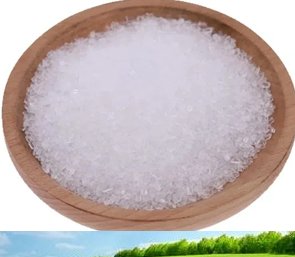
- Form: Available in flakes, pearls, or liquid solutions.
3. Technical Grade Sulfuric Acid
- Applications: Fertilizer manufacturing, ore processing, and industrial cleaning agents.
- Important: Handling requires specialized training due to its high reactivity.
4. Technical Grade Isopropyl Alcohol (IPA)
- Applications: Industrial solvent for paints, coatings, and cleaning agents for electronic components.
5. Technical Grade Glycerin
- Applications: Lubricant for heavy machinery, humectant in industrial coatings, and raw material for chemical synthesis.
Pricing Overview of Technical Grade Chemicals
Disclaimer: Prices are subject to market fluctuations, volumes purchased, and logistical factors. For real-time quotes, visit ChemicalsSuppliers.com.
| Chemical Name |
Purity |
Common Industrial Price Estimate (Bulk) |
| Acetone (Technical) |
99% |
$1.20 – $2.50 per kg |
| Sodium Hydroxide (Flakes) |
98% |
$0.80 – $1.60 per kg |
| Sulfuric Acid |
98% |
$0.30 – $0.90 per kg |
| Isopropyl Alcohol |
99.5% |
$1.50 – $2.80 per kg |
| Glycerin |
99.5% |
$1.10 – $2.00 per kg |
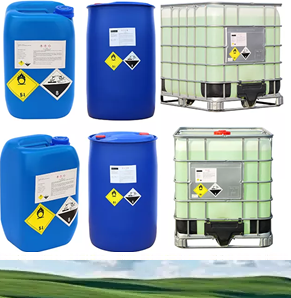
Note: Large-scale procurement (drum lots, totes, or ISO tanks) significantly lowers the cost per unit.
Applications Across Industries
Technical grade chemicals are omnipresent in the global supply chain:
- Manufacturing and Fabrication: Used for CNC cooling, degreasing metals before welding or coating, and as catalysts in reaction chambers.
- Water Treatment: Essential for pH adjustment and flocculation in municipal and industrial wastewater facilities.
- Textiles and Leather: Used for dyeing, bleaching, and finishing processes where technical-grade reagents provide sufficient reactivity.
- Construction: Additives for concrete, sealants, and industrial coatings rely on technical-grade resins and solvents.
Safety, Storage, and Regulatory Compliance
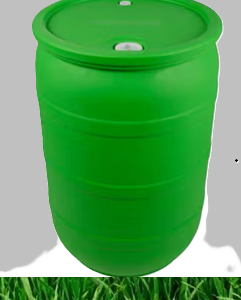
Handling “industrial grade” chemicals requires adherence to strict safety protocols. Unlike laboratory chemicals which are often stored in small bottles, technical chemicals are moved in large containers (totes, drums, and tankers), increasing the risk of spill or exposure.
- SDS Management: Always maintain an up-to-date Safety Data Sheet (SDS) for every chemical in your facility.
- Storage: Ensure secondary containment for all bulk storage to prevent environmental contamination.
- PPE: Use industry-appropriate Personal Protective Equipment (gloves, goggles, respirators) as dictated by the specific chemical’s SDS.
- Regulation: Depending on your jurisdiction (OSHA in the US, REACH in the EU), ensure all procurement meets local environmental and safety standards.
Why Buy From ChemicalsSuppliers.com?
Purchasing chemicals is not just about the product—it is about the supply chain integrity. At ChemicalsSuppliers.com, we bridge the gap between high-volume manufacturers and local industrial users.
Benefits of Sourcing with Us:
- Quality Assurance: Every batch we supply undergoes rigorous checking for consistency.
- Global Logistics: We provide streamlined shipping solutions, ensuring that your raw materials arrive on time, regardless of quantity.
- Competitive Pricing: By cutting out unnecessary middle-men, we offer wholesale pricing that keeps your margins healthy.
- Expert Support: Our team is trained to assist in technical documentation and compliance inquiries.
Visit ChemicalsSuppliers.com today to browse our catalog or request a customized quote for your bulk requirements.
Conclusion
Technical grade chemicals are the unsung heroes of the industrial world. They provide the necessary balance of performance and affordability, fueling the engines of manufacturing, infrastructure, and chemical synthesis. Choosing the right source for these materials is the first step toward operational success. Whether you are looking for solvents, acids, or specialty industrial reagents, ensure your supplier provides transparency in purity, competitive pricing, and logistical reliability.
For more information, explore our resources on Industrial Chemistry Standards or visit ChemicalsSuppliers.com to start your next order.
Keyword Tags:
#TechnicalGradeChemicals #ChemicalSuppliers #IndustrialChemicals #BulkChemicals #ChemicalProcurement #RawMaterials #IndustrialSolvents #ManufacturingSupplies #ChemicalGradeGuide #ChemicalsSuppliers #IndustrialGradeReagents #PurityStandards #ChemicalManufacturing #GlobalSupplyChain #ChemicalPricing #IndustrialChemistry #ChemistryResources