Ultimate Guide to Reagent Grade Chemicals: Precision, Purity, and Performance
In scientific research, pharmaceutical development, and analytical chemistry, the quality of your inputs dictates the validity of your outputs. Whether you are conducting a routine titration in a university lab or standardizing a complex chromatography protocol in an industrial facility, the reliability of your results hinges on one critical factor: Reagent Grade Chemicals.
At chemicalssuppliers.com, we understand that “good enough” is rarely sufficient when life-saving research or sensitive manufacturing is on the line. This comprehensive guide will explore everything you need to know about high-purity chemical reagents, how they are classified, and why sourcing them from a trusted supplier is the cornerstone of professional laboratory practice.
What Exactly Are Reagent Grade Chemicals?
“Reagent grade” is a high-purity designation for chemicals that meet or exceed established standards set by regulatory and professional bodies, such as the American Chemical Society (ACS). These chemicals are specifically refined for use in laboratory environments where analytical precision is paramount.
Unlike “Technical Grade” or “Commercial Grade” chemicals—which may contain impurities that interfere with reactions—reagent grade chemicals undergo rigorous testing to ensure that trace contaminants like heavy metals, moisture, and insoluble matter are kept below detectable or strictly defined limits.
Why Purity Matters
In the scientific method, variables must be controlled. If a reagent contains an unwanted catalyst or a trace element that reactively mimics your target, your data becomes “noisy” or, worse, completely invalidated. Reagent grade chemicals provide the consistency necessary for:
- Analytical Chemistry: Ensuring reproducible results in quantitative methods.
- Pharmaceutical Synthesis: Meeting stringent FDA/USP requirements.
- Biotechnology: Preventing enzyme degradation in sensitive biological buffers.
Understanding the Grades: Not All Chemicals Are Created Equal
To navigate the market effectively, it is essential to distinguish between the various purity standards:
- ACS Reagent Grade: The gold standard. These meet the specifications defined by the American Chemical Society. They are suitable for use in high-precision analytical work.
- USP/NF Grade: Chemicals that meet the standards of the United States Pharmacopeia or the National Formulary. These are mandatory for medications and dietary supplements.
- HPLC/Spectrophotometric Grade: Specialized reagents with extreme purity, often pre-filtered to remove particles that could damage analytical instrumentation (like high-performance liquid chromatography columns).
- Technical/Industrial Grade: High-volume chemicals used in manufacturing or non-sensitive processing; generally not recommended for analytical laboratory trials.
Examples of Commonly Used Reagent Grade Chemicals
At chemicalssuppliers.com, we maintain an extensive inventory of high-purity reagents. Below are a few staples found in laboratories worldwide:
1. Reagent Grade Acetic Acid (Glacial)
Used extensively in pH regulation and as a solvent in organic synthesis. ACS-grade acetic acid ensures low water content and minimal metallic impurities.
- Typical Price: $85.00 – $140.00 per 2.5L bottle (subject to market fluctuations).
2. Acetone (ACS Grade)
An essential solvent for cleaning laboratory glassware and performing extraction procedures. High-purity acetone is vital because, when it evaporates, it must leave zero residue.
- Typical Price: $55.00 – $95.00 per 4L container.
3. Hydrochloric Acid (ACS/Trace Metal Grade)
Used as a powerful laboratory acid. In its reagent form, it is tested for trace metals, making it safe for elemental analysis (e.g., ICP-MS).
- Typical Price: $60.00 – $110.00 per 2.5L bottle.
4. Methanol (HPLC/Reagent Grade)
Critical for chromatography. Grade purity prevents “ghost peaks” and baseline drift in sensitive electronic detectors.
- Typical Price: $70.00 – $120.00 per 4L bottle.
How to Choose the Right Supplier
When sourcing high-purity reagents, price should never be the sole differentiator. Consider the following:
Certificate of Analysis (CoA)
Every chemical purchased from a reputable source, such as chemicalssuppliers.com, should come with a Certificate of Analysis. This document outlines the actual batch results compared to the theoretical specs. If a supplier cannot provide a CoA, do not use the chemical in a professional setting.
Packaging and Storage
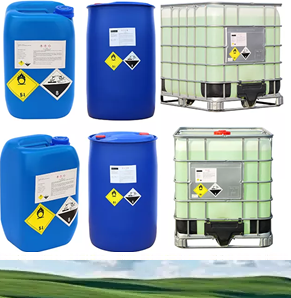
High-purity chemicals are sensitive to oxidation, light, and humidity. Professional distributors ensure these reagents are packaged in amber glass or high-density fluorinated containers to maintain integrity during shipping.
Documentation and Compliance
Regulatory compliance is vital. Ensure your supplier adheres to SDS (Safety Data Sheet) standards and provides documentation for hazardous material shipping.
Where to Buy Reagent Grade Chemicals
Stop wasting time searching through opaque catalog sites. At chemicalssuppliers.com, we have streamlined the procurement process for laboratories, research institutes, and educational facilities.
Why Choose Chemicalssuppliers.com?
- Direct Access: We provide a transparent bridge to high-purity chemicals that are often backordered elsewhere.
- Quality Assurance: Every product in our inventory meets or exceeds ACS and USP standards.
- Technical Support: Unsure which grade you need for your project? Our technical team is available to help you select the appropriate material grade for your specific application.
- Pricing Transparency: We offer competitive, scalable pricing for both small-scale research and bulk industrial supply.
Visit our catalog here to view our full inventory of reagents, solvents, and laboratory precursors.
Proper Handling and Safety (The Lab Professional’s Duty)
Even the highest quality reagent is dangerous if mishandled. Always adhere to the following safety protocols:
- Always consult the SDS: Before opening a bottle, read the Safety Data Sheet. Know the flammability, toxicity, and reactivity profile.
- Use Engineering Controls: Use a fume hood for volatile reagents, especially those that are corrosive or have a strong odor.
- Labeling: Never keep chemicals in unlabeled containers. If transferring to a secondary vessel, label it immediately with the chemical name, concentration, and date of opening.
- Storage: Keep incompatible chemicals separated. For example, store oxidizing agents away from flammable solvents.
Future Trends in Chemical Purity
The industry is moving toward “Green Chemistry” and “Sustainability.” Leading suppliers, including Chemicalssuppliers.com, are increasingly sourcing reagents that minimize hazardous waste during production. Furthermore, the push for “Electronic Grade” chemicals—which require purity levels in the parts-per-trillion range—is driving innovations in purification technology that will eventually trickle down to make standard reagent grades even purer.
Conclusion
Whether you are performing complex forensic analysis or preparing undergraduate chemistry kits, the quality of your reagents is the foundation of your work. By choosing ACS-grade chemicals and partnering with a supplier that prioritizes quality control and CoA transparency, you protect your research, your personnel, and your bottom line.
Ready to equip your lab? Browse our extensive range of high-purity chemicals at chemicalssuppliers.com and experience the difference that certified reagents bring to your workflow.
Frequently Asked Questions (FAQ)
Q: Can I use Technical Grade chemicals for my experiments? A: Generally, no. Technical grade chemicals may contain impurities that interfere with sensitive analytical instruments or chemical reactions. Always stick to ACS or Reagent Grade for research.
Q: How long can I store reagent grade chemicals? A: Most reagents have a shelf life of 2 to 5 years if stored in a cool, dry place away from direct sunlight. Always check the expiration date provided on the bottle or CoA.
Q: Does Chemicalssuppliers.com ship hazardous materials? A: Yes. We are fully equipped to ship hazardous chemicals in accordance with all local and international safety regulations.
Tags/Keywords: #ReagentGradeChemicals #ChemicalSuppliers #AnalyticalChemistry # ACSGrade #LabChemicals #HighPurityChemicals #LaboratorySupplies #ChemicalsForResearch #PureChemicals #ScienceLabEquipment #Chemicalssuppliers #QualityChemicals #ScientificResearch #ChemicalInventory