Guide to Premium Grade Chemicals: Ensuring Quality, Consistency, and Performance
The modern industrial landscape, the difference between a successful manufacturing cycle and a catastrophic production failure often comes down to one thing: the quality of your raw materials.
Whether you are working in pharmaceuticals, advanced electronics, specialized food processing, or precision laboratory research, the demand for Premium Grade Chemicals—often referred to as high-purity reagents, analytical grade compounds, or industrial-grade specialty substances—has never been higher.
At ChemicalsSuppliers.com, we understand that “good enough” is rarely sufficient when it comes to chemical synthesis. In this comprehensive guide, we will explore the nuances of high-grade chemicals, why purity levels matter, pricing structures, and how you can source top-tier chemical supplies for your enterprise.
What Defines “Premium Grade” Chemicals?
When we talk about “premium grade,” we aren’t just talking about a label. In the chemical industry, these terms usually refer to a stringent set of standards, often defined by the ACS (American Chemical Society) or the ISO (International Organization for Standardization).
1. Purity Levels and Impurity Profiles
A chemical is considered “premium” when its purity exceeds industrial standards. While technical grade chemicals might offer 95-98% purity, premium grade chemicals—such as HPLC grade or ACS Reagent grade—often command purity levels of 99.9% or higher. The remaining 0.1% consists of trace elements that have been strictly documented and minimized.
2. Batch Consistency
One of the primary benefits of sourcing from ChemicalsSuppliers.com is the guarantee of reproducibility. If your chemical manufacturing process works today, you need it to work the same way six months from now. Premium grade chemicals offer batch-to-batch consistency that prevents costly process drifts.
3. Documentation (COA and SDS)
Premium chemicals are always accompanied by a Certificate of Analysis (COA) and a Safety Data Sheet (SDS). These documents are vital for regulatory compliance, safety audits, and quality control departments.
Examples of Premium Grade Chemicals and Their Applications
Understanding which grade you need is essential for both your safety and your budget. Here are some of the most sought-after chemicals in our inventory:
A. High-Purity Solvents (e.g., Acetonitrile, Methanol)
Used extensively in chromatography and mass spectrometry. Impurities in these solvents can lead to “ghost peaks” or unstable baselines in analytical equipment.
- Typical Use: HPLC (High-Performance Liquid Chromatography).
B. Electronic Grade Chemicals
These are chemicals with extremely low metal ion contamination. Even a few parts per billion (ppb) of sodium or iron can ruin an entire batch of microchips or semiconductor wafers.
- Typical Use: Semiconductor manufacturing and PCB cleaning.
C. Analytical Reagents (AR Grade)
Used for routine laboratory analysis where accuracy is paramount. These chemicals meet the rigid requirements of the ACS.
- Typical Use: Titration, spectrophotometry, and clinical laboratory testing.
D. USP/NF Grade Chemicals
These chemicals meet the standards set by the United States Pharmacopeia and the National Formulary. They are essential for the production of medications and food-grade supplements.
Understanding Chemical Pricing: A Market Overview
One of the most frequently asked questions at ChemicalsSuppliers.com is: “Why is the price of this grade so much higher than the standard industrial version?”
Pricing is dictated by several factors:
- Refinement Processes: Distillation, recrystallization, and chromatography are expensive, energy-intensive processes.
- Quality Assurance Testing: Every premium batch undergoes rigorous testing using GC-MS, ICP-OES, or FTIR spectroscopy. These overheads are baked into the cost per kilogram.
- Supply Chain Integrity: Premium chemicals require specific handling and logistics to ensure they don’t become contaminated during shipping.
Indicative Pricing Table (Estimates)
While prices fluctuate based on market demand and raw material volatility, here are current baseline ranges:
| Chemical Category |
Grade |
Typical Price Range (Per Kg/L) |
| Solvents |
HPLC Grade |
$45 – $120 |
| Organic Acids |
Reagent Grade |
$30 – $95 |
| Inorganic Salts |
Trace Metal Grade |
$150 – $450 |
| Buffers |
Molecular Biology Grade |
$200 – $800 |
Note: For real-time pricing and bulk discounts, please visit our Products Page.
Why Choose ChemicalsSuppliers.com?
Sourcing high-purity chemicals is a partnership. You aren’t just buying a product; you are buying the reliability of your own supply chain.
- Strict Inventory Control: We maintain a climate-controlled environment to prevent degradation.
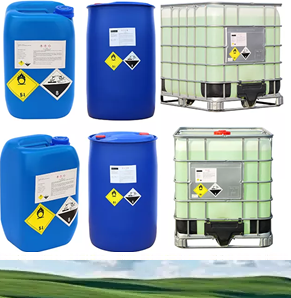
- Global Logistics: We ensure that sensitive chemicals are packed according to international hazardous material standards.
- Technical Support: Our team consists of chemists who understand your technical challenges. If you aren’t sure which grade is appropriate for your application, contact us.
How to Buy Premium Chemicals Safely and Efficiently
Buying high-grade chemicals is a regulated process. Here is the step-by-step procedure at ChemicalsSuppliers.com:
- Browse the Catalog: Use our search bar to find specific CAS numbers.
- Review the Specs: Download the COA for the batch you are interested in ordering.
- Request a Quote: For bulk quantities or industrial-scale orders, utilize our Quote Request Form to secure competitive market pricing.
- Compliance Check: We take safety seriously. Ensure your facility is registered to receive the requested chemical classes.
Best Practices for Storing Premium Chemicals
Once you receive your shipment, the responsibility shifts to proper storage. Even premium chemicals can degrade if handled improperly:
- Avoid Light Degradation: Many high-purity solvents are light-sensitive. Store them in amber glassware or opaque containers.
- Temperature Control: Keep your inventory in a cool, dry place. Avoid temperature fluctuations which can cause pressure build-ups.
- Segregation: Never store acids and bases together, and keep flammables in a dedicated fire-rated cabinet.
Future Trends in Chemical Sourcing
The industry is moving toward “Green Chemistry.” At ChemicalsSuppliers.com, we are actively exploring renewable solvent options and reducing the carbon footprint of our supply chain. As analytical methods become more sensitive, the demand for “Ultra-Pure” chemicals will continue to rise, and we are committed to staying ahead of these requirements.
Conclusion: Quality is Not an Act, It’s a Habit
Whether you are a startup pharmaceutical company or a long-standing manufacturing plant, your infrastructure is built on the foundation of your chemical purity. Do not compromise your research or your product quality by opting for sub-standard materials.
Explore our extensive database of high-purity chemicals today at ChemicalsSuppliers.com and find exactly what you need to take your project to the next level.
Need assistance? Our team is ready to provide the technical documentation, pricing, and logistics support you require to keep your operations running smoothly.
Key Takeaways
- Premium grade chemicals ensure the success of sensitive manufacturing processes.
- Purity, consistency, and documentation are the three pillars of quality chemicals.
- Sourcing from reputable suppliers like ChemicalsSuppliers.com mitigates the risk of contamination and supply chain delays.
- Proper storage is the final step in ensuring your high-performance chemicals remain effective until the very last drop.
Disclaimer: All chemicals handled should be done so by trained professionals using appropriate personal protective equipment (PPE). Always consult the SDS before use.
Keyword Tags: #ChemicalsSuppliers #PremiumGradeChemicals #ChemicalPurity #AnalyticalReagents #HPLCsolvents #IndustrialChemicals #ChemicalSourcing #LabChemicals #HighPurityChemicals #ChemicalSupplyChain #ACSGradeChemicals #ReagentGrade #ChemicalManufacturing #ScientificSupplies #LaboratoryEquipment #ChemicalDistributor #BulkChemicals #MaterialScience #QualityControl #ChemicalSafety