Practical Grade Chemicals: The Ultimate Guide for Industrial and Research Applications
In the vast world of chemical supply, understanding the hierarchy of purity is essential. Whether you are running a large-scale manufacturing plant, an educational laboratory, or a specialized DIY workshop, selecting the right grade of chemical is the difference between a successful project and an expensive failure.
At chemicalssuppliers.com, we often get asked, “What exactly are Practical Grade chemicals?” While terms like Reagent Grade, Analytical Grade, and USP Grade often dominate the conversation, Practical Grade (also known as Technical Grade) remains the backbone of the industrial world.
In this comprehensive guide, we will dive deep into what these chemicals are, why they are cost-effective, how they differ from other grades, and how you can source them reliably.
What Are Practical Grade Chemicals?
Practical Grade chemicals (often referred to as Technical Grade or Industrial Grade) are substances manufactured to meet the needs of commercial, mechanical, or industrial processes. Unlike Analytical Grade chemicals, which are refined to near-perfect purity for laboratory testing and sensitive research, Practical Grade chemicals are produced with a focus on functional utility.
Key Characteristics:
- Purity Levels: Usually ranges between 90% and 98%, depending on the application.
- Impurity Profile: They may contain trace amounts of secondary chemical products or impurities that do not interfere with general industrial utility.
- Cost-Effectiveness: Because the purification process is less rigorous, these chemicals are significantly cheaper than high-purity grades.
- Scale: They are typically available in bulk quantities, making them ideal for large-scale production.
Practical Grade vs. Other Chemical Grades: A Comparison
To help you decide whether Practical Grade is the right choice for your needs, let’s look at the standard grading hierarchy:
| Grade |
Purity Level |
Primary Use |
Cost |
| Practical/Technical |
90% – 98% |
Industrial processes, manufacturing |
Low |
| USP / NF Grade |
Meets pharmacopeia standards |
Pharmaceuticals, supplements |
Moderate |
| Reagent Grade |
High (99%+) |
General laboratory use |
High |
| ACS Analytical Grade |
Extremely High (99.9%+) |
Critical analytical chemistry |
Very High |
If you are using a chemical for a titration experiment, you need ACS Analytical Grade. However, if you are using an acid for a cleaning process, a metal plating bath, or a large-scale synthesis where minor impurities are acceptable, Practical Grade is your best financial decision.
Popular Examples of Practical Grade Chemicals
Many everyday industrial products are formulated using Practical Grade raw materials. Here are a few examples commonly requested by our clients at chemicalssuppliers.com:
1. Sodium Hydroxide (Caustic Soda)
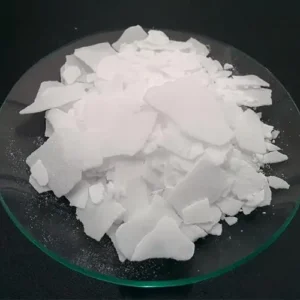
In its technical form, Sodium Hydroxide is used extensively in soap making, paper manufacturing, and heavy-duty degreasing. The impurities in Practical Grade caustic soda are usually inert in these processes, making it a cost-efficient choice for industrial cleaning agents.
2. Technical Grade Acetone
Used as a solvent in the plastics industry, fiber-reinforced plastic (FRP) manufacturing, and as a heavy-duty cleaner for thinning resins and epoxies. It is significantly cheaper than HPLC-grade acetone.
3. Citric Acid (Technical Grade)
Widely used for pH adjustment in wastewater treatment and as a descaling agent for industrial boilers. It effectively removes calcium carbonate deposits without the premium price tag of food-grade citric acid.
4. Glycerin (Technical Grade)
Used as a lubricant in mechanical applications and as an antifreeze component. Unlike cosmetic-grade glycerin, this version is optimized for volume and industrial performance.
Pricing Overview: Why Practical Grade Saves You Money
Price is the primary driver for choosing Technical Grade chemicals. Because the “extra” purification steps (such as recrystallization or column chromatography) are skipped, chemical manufacturers pass those savings directly to you.
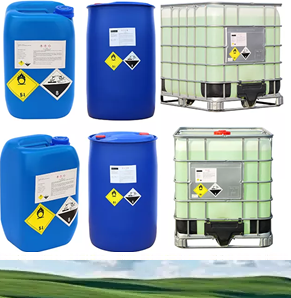
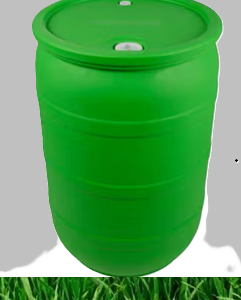
- Bulk Discounting: At chemicalssuppliers.com, we specialize in bulk logistics. Buying Practical Grade acids or solvents by the drum or IBC tank can reduce your per-liter cost by up to 40% compared to buying smaller, high-purity laboratory bottles.
- Reduced Handling Costs: These chemicals are often shipped in industrial packaging (drums, totes, bulk bags), which minimizes packaging waste and logistical handling fees.
Note: For current market pricing, visit our Price Request Page as costs fluctuate based on raw material availability and logistics.
Safety and Storage Considerations
Even though Practical Grade chemicals are “less pure,” that does not mean they are less hazardous. In fact, due to the presence of minor impurities, their reactivity can occasionally be unpredictable if not handled correctly.
- Safety Data Sheets (SDS): Always consult the SDS before handling. Even technical-grade chemicals can be corrosive, flammable, or toxic.
- Storage: Store in a cool, dry, well-ventilated area away from incompatible substances. Use secondary containment for liquid chemicals to prevent spills.
- Labeling: Always maintain clear labeling that specifies the chemical composition and the grade.
For more information on chemical handling, refer to the OSHA Guidelines on Chemical Safety.
Where to Buy Practical Grade Chemicals
If you are looking for high-quality, reliable Practical Grade chemicals, you have come to the right place.
Why Choose Chemicalssuppliers.com?
At chemicalssuppliers.com, we bridge the gap between high-volume manufacturing and individual research needs. We provide:
- Supply Chain Transparency: We source from reputable manufacturers to ensure your chemicals meet the required industrial standards.
- Competitive Bulk Pricing: Perfect for businesses looking to optimize their OPEX.
- Reliable Shipping: We handle the regulatory and logistical challenges of shipping chemicals across the country.
How to order:
- Browse our Product Catalog.
- Select the chemical and the grade (Technical/Practical).
- Request a quote for your specific quantity.
- Our team will coordinate the shipping directly to your facility.
Conclusion
Practical Grade chemicals are the workhorses of the modern economy. They provide the necessary chemical properties for manufacturing, cleaning, and industrial synthesis without the prohibitive costs of laboratory-grade materials. By choosing the correct grade for your specific task, you can significantly optimize your budget without sacrificing the efficiency of your project.
Ready to start your order? Visit chemicalssuppliers.com today and see how our extensive inventory can support your industrial requirements.
Frequently Asked Questions (FAQ)
Q: Can I use Practical Grade chemicals in food production? A: No. Food-grade applications require specific certifications. Practical Grade chemicals may contain heavy metals or solvents not intended for human or animal consumption.
Q: Is Technical Grade the same as Practical Grade? A: In most professional catalogs, yes, these terms are used interchangeably.
Q: Do you offer bulk discounts? A: Yes. We offer tiered pricing for large-scale industrial orders. Please contact our sales team at chemicalssuppliers.com/contact.
Keywords/Tags: #PracticalGradeChemicals #TechnicalGradeChemicals #IndustrialChemicals #ChemicalSupply #BulkChemicals #ChemicalsSuppliers #RawMaterials #IndustrialSolvents #CausticSoda #CitricAcid #ChemicalManufacturing #LaboratorySupplies #IndustrialCleaning #ChemicalGradeGuide #BuyChemicalsOnline #ChemicalLogistics #PurityStandards #ChemicalSafety #IndustrialPurchasing #SupplyChainSolutions