Molecular Biology Grade Chemicals: Quality, Precision, and Sourcing
In the rapidly evolving world of life sciences, the integrity of your research hinges on the caliber of your reagents. Whether you are performing PCR, cloning, DNA sequencing, or protein expression, Molecular Biology Grade chemicals are the silent architects of your data. Using subpar reagents is the fastest way to introduce experimental noise, falsify results, or ruin months of hard work.
At ChemicalsSuppliers.com, we understand that precision is non-negotiable. This comprehensive guide explores what defines molecular biology grade reagents, which chemicals are essential for your lab, and how to source high-purity supplies to ensure reproducible research.
What Defines “Molecular Biology Grade” Chemicals?
Not all chemicals are created equal. When a bottle is labeled “Molecular Biology Grade,” it signifies a level of purity and testing that goes far beyond standard laboratory or technical grades.
1. Nuclease-Free Standards
The most critical requirement for molecular biology reagents is the absence of DNase, RNase, and protease activity. Even infinitesimal traces of these enzymes can degrade your nucleic acid samples, leading to failed experiments. Molecular biology grade chemicals are rigorously tested to ensure they are free of these contaminating enzymes.
2. High Analytical Purity
These chemicals are often processed to remove trace metals, organic impurities, and particulate matter that could inhibit enzymatic reactions. In sensitive applications like CRISPR/Cas9 or Next-Generation Sequencing (NGS), even parts-per-billion (ppb) concentrations of heavy metals can act as inhibitors.
3. Sterility and Bioburden Control
For cell culture and microbiological applications, molecular grade reagents must be sterile and free from pyrogens (endotoxins). This is achieved through validated filtration or heat sterilization processes, ensuring your cells remain healthy and your cultures remain pure.
Essential Molecular Biology Chemicals: A Detailed List
To run a high-functioning lab, you need a reliable inventory. Below are some of the most frequently used chemicals, their typical pricing ranges, and their specific applications.
| Chemical |
Common Application |
Estimated Price Range |
| Tris-HCl (pH 8.0) |
DNA/RNA Buffers |
$80 – $150 (500g) |
| EDTA (Disodium Salt) |
Chelation, Nuclease inhibition |
$40 – $90 (500g) |
| Agarose (Molecular Grade) |
Gel Electrophoresis |
$120 – $250 (500g) |
| Proteinase K |
Enzymatic digestion |
$150 – $400 (100mg) |
| Ethanol (ACS/Molecular) |
Nucleic Acid Precipitation |
$50 – $100 (4L) |
| Dithiothreitol (DTT) |
Reducing agent for proteins |
$90 – $200 (25g) |
Prices are estimates based on market volatility and purity levels. For exact quotes, visit ChemicalsSuppliers.com.
Key Chemicals Explained
1. Agarose
Agarose is the backbone of gel electrophoresis. If your agarose contains DNA impurities or high sulfate levels, your bands will broaden, causing resolution issues. Molecular grade agarose ensures tight, crisp bands, which is essential for accurate DNA fragment analysis.
2. Proteinase K
This broad-spectrum serine protease is essential for lysing cells and inactivating nucleases during DNA extraction. High-quality Proteinase K must be highly active in a wide range of temperatures and pH levels, as well as in the presence of SDS and urea.
3. Buffering Agents (Tris, HEPES, MOPS)
Buffers maintain the delicate pH balance required for enzymatic activity. Molecular grade buffers are specifically processed to avoid UV-absorbing impurities, which is crucial if you are quantifying RNA or DNA using spectrophotometry.
The Risks of Using Lower-Grade Reagents
Many researchers are tempted to cut costs by purchasing “Analytical Grade” or “USP Grade” chemicals. While these are pure in a chemical sense, they are not necessarily nuclease-free.
- Experimental Failure: A batch of non-nuclease-free Tris could degrade your entire library of cDNA before sequencing.
- Inconsistent Results: Trace additives in technical grade chemicals can act as inhibitors for PCR polymerases, leading to “false negatives.”
- Time and Resource Waste: Rerunning an entire experiment due to reagent contamination is significantly more expensive than the price premium paid for molecular grade chemicals.
Where to Buy Molecular Biology Grade Chemicals?
Sourcing high-quality reagents is a strategic decision. You need a supplier that offers transparent documentation (Certificates of Analysis – CoA), consistent batch-to-batch quality, and reliable supply chain logistics.
At ChemicalsSuppliers.com, we bridge the gap between manufacturer-grade quality and end-user accessibility. We provide:
- Detailed CoA: Every chemical comes with a rigorous test report.
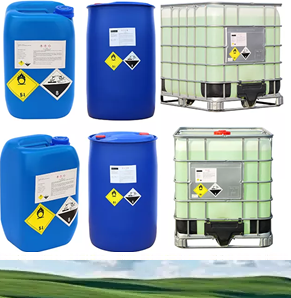
- Specialized Packaging: We use packaging that maintains chemical integrity from our warehouse to your bench.
- Global Shipping: We ensure safe transport, including cold-chain logistics for heat-sensitive items.
Click here to view our catalog of Molecular Biology Reagents
Best Practices for Storing Your Chemicals
Once you have invested in high-quality chemicals, it is vital to keep them in peak condition:
- Keep it Dry: Many molecular biology powders are hygroscopic (they absorb moisture from the air). Always use a desiccator or store them in a climate-controlled environment.
- Avoid Contamination: Use dedicated spatulas for each bottle. Never return excess chemicals to the original container.
- Light Sensitivity: Store chemicals like DTT or fluorescent dyes in amber glass vials or light-proof cabinets to prevent photodegradation.
- Temperature Matters: Follow the manufacturer’s labels (e.g., store at -20°C, 4°C, or RT).
Future Trends in Molecular Biology Sourcing
The industry is moving toward stricter oversight and greener chemistry. As CRISPR technology and personalized medicine continue to grow, the demand for “Clinical Grade” raw materials—chemicals manufactured under GMP (Good Manufacturing Practice) guidelines—is increasing. At ChemicalsSuppliers.com, we are constantly updating our portfolio to include these high-compliance reagents to support your transition from benchtop research to clinical trials.
Frequently Asked Questions (FAQ)
Q: Can I use ACS Grade chemicals for PCR? A: It is risky. ACS grade chemicals do not guarantee nuclease-free status. It is always safer to use Molecular Biology Grade.
Q: How do I know if my chemicals are contaminated? A: Usually, you will see a lack of amplification in PCR, inconsistent gel results, or degradation of samples in storage. We recommend performing a “no-template control” and a “positive control” with every experiment.
Q: Does ChemicalsSuppliers.com offer bulk discounts? A: Yes, we provide competitive pricing for institutional and industrial bulk orders. Please contact our sales team at ChemicalsSuppliers.com/contact.
Conclusion
Your research is only as strong as your reagents. By choosing Molecular Biology Grade chemicals, you are protecting your intellectual property, your timeline, and your scientific reputation. At ChemicalsSuppliers.com, we are committed to providing the foundational materials that power the next generation of life science breakthroughs.
Ready to upgrade your lab’s inventory? Browse our full selection of Molecular Biology Chemicals today.
External Resource Links for Further Reading:
Keyword Tags: #MolecularBiology #ChemicalSuppliers #LabReagents #BiotechResearch #DNAResearch #RNAScience #PCRReagents #LaboratoryChemicals #HighPurityChemicals #LifeSciences #ChemicalsSuppliers #MolecularGrade #Biochemistry #LabEssentials #ScientificResearch #Genomics #Proteomics #ReagentQuality #NucleaseFree #ResearchInnovation