Buying Chemicals (95% – 98%) High-Purity: Everything You Need to Know
Whether you are formulating cleaning agents, developing pharmaceutical intermediates, or conducting high-stakes analytical testing, opting for chemicals with a 95% to 98% purity rating is the gold standard for balancing cost-effectiveness with high-performance results.
At ChemicalsSuppliers.com, we recognize that sourcing high-grade chemical compounds—often referred to as Technical Grade, Purified Grade, or Laboratory Grade substances—can be an overwhelming task. This guide will provide you with a comprehensive deep dive into why purity matters, which chemicals you should be looking for, how to interpret price points, and why choosing the right supplier is the most critical decision in your supply chain.
Why Purity Percentages (95% – 98%) Matter
When a manufacturer labels a chemical as 95% to 98% pure, it means that the substance contains 2% to 5% of “other” materials. In technical terms, these are often moisture, inert stabilizers, or related isomers.
For many industrial applications, 100% purity (or ACS Reagent Grade) is unnecessary and excessively expensive. By purchasing 95% – 98% purity chemicals, you gain:
- Cost Efficiency: You avoid the “premium” price tag associated with Analytical Reagent (AR) or HPLC (High-Performance Liquid Chromatography) grades.
- Broad Utility: This purity range is perfect for pilot-scale manufacturing, wastewater treatment, textile processing, and chemical synthesis.
- Predictable Reactivity: At 98% purity, the chemical behavior is consistent enough to ensure stable batch-to-batch production.
Key Chemicals at 95% – 98% Purity
If you are looking to purchase high-quality chemical agents, the following categories are the most frequently requested by our global clients at ChemicalsSuppliers.com.
1. Organic Solvents (Acetone, Ethanol, Isopropanol)
Solvents are the backbone of the chemical industry. At 98% purity, these are used for cleaning precision components, extracting essential oils, and diluting resins.
- Use case: Industrial degreasing.
- Why 98%? It provides enough strength to dissolve contaminants without leaving excessive trace residue.
2. Inorganic Salts (Sodium Carbonate, Magnesium Sulfate, Potassium Chloride)
These are essential in food production, water softening, and agriculture. 95% – 98% purity ensures that you aren’t introducing harmful heavy metals or toxic impurities into your process.
3. Acids and Bases (Citric Acid, Sodium Hydroxide)
Commonly used in pH adjustment and titration. Procuring these at 98% purity allows for high-precision manufacturing in the cosmetics and food industry.
Pricing Considerations: What Should You Expect?
Pricing for high-purity chemicals is influenced by several factors: global supply chain logistics, the complexity of synthesis, and the current market demand.
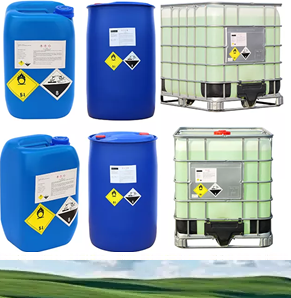
- Bulk Volume Pricing: As an industrial purchaser, you should always look for bulk chemical procurement options. Buying in metric tons or large drums significantly lowers the price-per-kilogram.
- Market Trends: Prices for chemicals like Acetic Acid or Ethanol often track with oil prices.
- Purity-to-Price Ratio: You will typically find that moving from 95% to 98% purity increases the price by approximately 10-15%. Moving from 98% to 99.9% (Electronic/Analytical Grade) can often increase the price by over 50%.
Note: For up-to-date pricing, please request a custom quote via our portal. We update our price lists weekly to ensure our clients receive competitive market rates.
How to Source Reliable Chemicals
When you decide to “buy chemicals,” you are not just buying a product; you are buying a promise of safety, documentation, and logistical support. Here is what to look for when searching for a supplier:
1. Certificate of Analysis (COA)
A reputable supplier must provide a COA. This document confirms the purity percentage, lists the impurities present, and verifies that the batch has been tested in a lab.
2. SDS (Safety Data Sheets)
Never purchase chemicals from a company that does not provide an SDS. This is non-negotiable for shipping safety and workplace compliance.
3. Logistical Reach
Chemical shipping is complex, involving strict adherence to international regulations (IMDG, IATA). ChemicalsSuppliers.com offers global shipping solutions that ensure your chemicals arrive safely and on time.
Where to Buy: The Benefits of Choosing ChemicalsSuppliers.com
Why should you choose us over a generic marketplace?
- Verified Quality: We bridge the gap between high-end laboratory chemicals and low-end industrial waste. Our focus is strictly on the 95% – 98% purity segment, which offers the best value for professionals.
- Transparency: Unlike marketplaces where the seller’s identity is hidden, we provide direct access to verified manufacturers.
- Customer Support: We understand that chemical sourcing requires technical knowledge. Our team is trained to assist you in selecting the right grade for your specific application.
- Visit our catalog: Check our full index of available chemicals here.
Common Challenges in Chemical Procurement
One of the biggest hurdles for companies today is the instability of the supply chain. If you are experiencing delays from your current provider, consider the following:
- Diversification: Keep at least two suppliers for critical raw materials.
- Forward Ordering: Due to shipping bottlenecks, many of our clients are switching to quarterly procurement cycles.
- Quality Verification: Always perform your own “In-House” purity verification upon receipt of goods to ensure the product meets your internal specs.
Industry-Specific Advice
For Research Laboratories
While 95% purity is often sufficient, ensure that it is “Food or Pharmaceutical Grade” if you are working on bio-applications to avoid unintended artifacts in your data.
For Industrial Manufacturers
If you are running reactors, the “impurities” in a 95% grade chemical are just as important as the active ingredient. Ensure that the 5% remainder does not contain corrosive agents that could damage your stainless steel or glass-lined equipment.
Conclusion: Making the Right Choice
Investing in high-purity chemicals is an investment in your company’s reputation. Whether you need industrial solvents, agricultural additives, or basic chemical reagents, aiming for the 95% to 98% purity sweet spot is the smartest way to manage your budget without compromising your product quality.
Ready to streamline your chemical supply chain? Visit ChemicalsSuppliers.com today. Browse our extensive database, compare purity grades, and connect with a sales representative to get a competitive quote today.
External Resources & Further Reading
Additional Tags
Chemical procurement guide, where to buy industrial chemicals, bulk chemical suppliers, 98% purity chemical compounds, laboratory grade vs industrial grade, high purity raw materials, chemical supply chain management, organic chemistry reagents for sale, wholesale chemicals distributor, chemical sourcing services, high-quality chemical solvents 95% purity, analytical grade chemicals vs technical grade chemicals, global chemical trade, chemical logistics, online chemical marketplace, industrial chemical pricing, pharmaceutical intermediate suppliers, laboratory chemical catalog, certified chemical distributors, safe chemical shipping, high-performance chemicals for manufacturing, chemical compound purity standards, laboratory grade purity chemicals, chemical wholesale prices, industrial solvent suppliers, wholesale chemical manufacturer, reliable chemical procurement, chemical purity testing, chemical quality assurance, custom chemical synthesis services, bulk industrial chemicals, top chemical suppliers worldwide, chemical import export company, high-purity chemical suppliers, technical grade chemical chemicals.