Sourcing High-Purity Chemicals (85%–90% Grade): Applications, Benchmarks, and Acquisition Strategies
In industrial manufacturing, laboratory research, and specialized chemical synthesis, the purity grade of a compound is the single most critical factor determining the success of a process. When sourcing raw materials, professionals often encounter the requirement for 85% to 90% purity chemicals. While analytical grade chemicals (99.9%+) are necessary for precise pharmaceutical titration, the 85%–90% purity range is the “sweet spot” for industrial scalability, cost-effectiveness, and logistical efficiency.
At ChemicalsSuppliers.com, we recognize that balancing high-quality performance with budget-conscious procurement is the backbone of any sustainable supply chain. This guide explores the nuances of mid-to-high-purity chemical sourcing, pricing structures, and how to navigate the global market effectively.
Understanding the Grade: Why 85%–90% Purity Matters
The designation of 85% to 90% purity generally identifies a “Technical Grade” or “Industrial Quality” product. These chemicals are processed to exclude hazardous levels of impurities while maintaining a concentration sufficient for high-yield reactions or systemic cleaning processes.
Benefits of Sourcing 85%–90% Purity:
- Cost Efficiency: Reaching 99%+ purity often involves expensive recrystallization or vacuum distillation processes. By opting for 85%–90%, manufacturers avoid the “purity premium.”
- Process Compatibility: Many industrial reactions—such as electroplating, large-scale neutralizing, or agricultural formulation—do not require reagent-grade specifications.
- Availability: Chemicals at this purity tier are typically produced in bulk, ensuring a steady supply chain compared to niche, ultra-high-purity compounds.
Key Chemicals Frequently Sourced at 85%–90% Purity
Many essential chemicals are stabilized and distributed at these concentrations to ensure safety and stability during transit. Below are examples of chemicals commonly available through ChemicalsSuppliers.com.
1. Phosphoric Acid (85% Grade)
Perhaps the most common chemical sold at the 85% concentration.
- Why 85%? At this concentration, Phosphoric Acid is stable, liquid at room temperature, and viscous. It is the industry standard for food and beverage acidification, metal rust removal, and fertilizer manufacturing.
- Application: Used extensively in the beverage industry (as an acidulant) and in construction for chemical polishing.
2. Formic Acid (85%–90% Solution)
Formic acid is widely used in the textile and leather industries.
- Application: Used as a coagulant in the production of rubber, a pickling agent in leather tanning, and within the pharmaceutical industry for chemical synthesis.
- Logistics: At 85%–90%, it provides a high-potency solution that is easier to handle than anhydrous formic acid.
3. Lactic Acid (85%–88% Purity)
Derived from fermentation, this grade is essential for the cosmetic and food sectors.
- Application: pH regulation and flavoring in food, and a humectant in personal care products.
4. Hydrogen Peroxide (35%–50% are common, but high-strength industrial concentrations exist)
While often lower in consumer grade, industrial variants are often titrated to high strengths for bleaching and oxidation processes.
Pricing Benchmarks: How to Budget for Industrial Chemicals
Pricing in the chemical sector is volatile and dictated by the “ICIS” (Independent Chemical Information Service) indices and global supply chain costs. When you visit ChemicalsSuppliers.com, you are accessing a platform designed to provide competitive, bulk-rate transparency.
Disclaimer: Prices below are estimates based on global market averages and are subject to change based on logistics and volume.
| Chemical |
Typical Price Range (USD/MT) |
Factors Influencing Price |
| Phosphoric Acid (85%) |
$700 – $1,200 |
Phosphorus ore pricing, shipping, VAT |
| Formic Acid (85%) |
$900 – $1,400 |
Methanol feedstock costs |
| Lactic Acid (88%) |
$1,500 – $2,500 |
Corn/beet feedstock, purity stabilization |
Note: For up-to-date, specific quotes based on your location and quantity requirements, always consult the ChemicalsSuppliers.com Pricing Portal.
Where to Buy: Navigating the Supply Chain
Sourcing chemicals is not just about the price; it is about safety, certification, and regulatory compliance. Many generic marketplaces lack the necessary vetting for hazardous materials.
- Verification: Every supplier listed on our platform undergoes rigorous checks for regulatory compliance (ISO, REACH, etc.).
- Safety Compliance: We ensure that all shipments are packaged according to international hazardous material handling (HazMat) standards.
- Global Reach: With logistics hubs near major ports, we bridge the gap between chemical manufacturers and industrial end-users.
Steps to Acquire Your Chemicals:
- Identify Your Specification: Determine if your process can handle the impurities present in an 85%–90% grade.
- Request COA (Certificate of Analysis): Always request a COA before a full-scale order. This document outlines exactly what the remaining 10%–15% consists of.
- Use the ChemicalsSuppliers.com Search: Enter your CAS number or chemical name to find top-rated providers instantly.
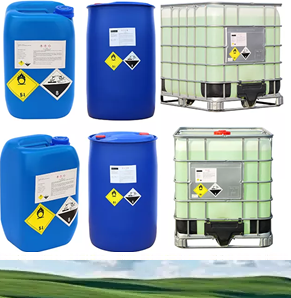
- Logistics Planning: Ensure your facility is equipped for bulk liquid storage (IBC totes or ISO tanks).
Quality Assurance and Analytical Metrics
When buying at 85%–90%, you are not receiving “impurities” in the sense of waste, but rather a “solvent-stabilized” product. For instance, in an 85% Phosphoric Acid solution, the remaining 15% is typically deionized water.
How to verify your purchase:
- Density Testing: A simple hydrometer test can verify if a liquid chemical meets the 85%–90% threshold.
- Titration: Perform a standard titration in your QC lab to confirm the molarity aligns with the vendor’s provided COA.
- Solubility Testing: Ensure that the solution remains clear and free of suspended precipitates, which could indicate improper storage or contamination.
Global Regulatory Considerations
Importing and purchasing chemicals is governed by strict international laws. Depending on your region, you may need to navigate:
- REACH (Registration, Evaluation, Authorisation and Restriction of Chemicals): Essential for EU-based transactions.
- TSCA (Toxic Substances Control Act): A requirement for the United States market.
- Safety Data Sheets (SDS): Always obtain a GHS-compliant SDS from the supplier on ChemicalsSuppliers.com before receipt of goods.
Best Practices for Chemical Storage (85%–90% Grade)
Chemicals at this purity are often corrosive and require specific storage conditions:
- Temperature Control: Store away from direct sunlight and extreme thermal fluctuations.
- Ventilation: Use specialized chemical storage cabinets or fire-rated rooms equipped with fume extraction.
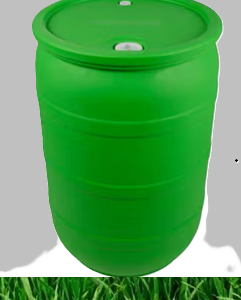
- Container Material: High-Density Polyethylene (HDPE) or stainless steel is usually required, depending on the acid/base strength. Avoid reactive metals.
Conclusion: Partnering for Industrial Success
The transition from lab-scale synthesis to mass manufacturing requires a reliable sourcing strategy. By utilizing high-quality, 85%–90% purity chemicals, you optimize your capital expenditure without compromising the integrity of your end product.
Visit ChemicalsSuppliers.com today to browse our extensive inventory, view real-time market pricing, and connect with verified manufacturers who can sustain your production cycle for years to come. Whether you are in industrial cleaning, food production, or textile manufacturing, we have the chemical solutions you need to scale effectively.
KeywordsTags:
Chemical procurement, bulk chemical supply, 85 percent purity chemicals, 90 percent purity chemicals, industrial grade chemical suppliers, buy Phosphoric Acid 85%, Formic Acid supplier, chemical wholesale marketplace, high purity chemical sourcing, laboratory supply chain, bulk acid pricing, chemical manufacturing ingredients, industrial cleaning chemicals, wholesale chemical distribution, hazardous material logistics, ISO certified chemical suppliers, chemical trading platform, raw material sourcing, reagent grade vs technical grade, chemical price tracking, global chemical export, chemical sourcing strategies, industrial reagent procurement, CAS number chemical search, chemical supply chain management, bulk liquid chemical handling, laboratory chemicals purchase, industrial solvent supply, chemical sourcing for manufacturing, chemical industry cost efficiency.