Buying 80%-85% Purity Chemicals: Applications, Standards, and Sourcing
80%-85% purity chemicals. These concentrations represent the “sweet spot” for industrial processing, bulk synthesis, and cost-effective manufacturing where extreme trace-element precision is secondary to volume efficiency.
If you are looking to source high-quality chemical compounds with standardized purity levels, ChemicalsSuppliers.com stands as a premier global leader in chemical distribution. In this deep-dive guide, we will explore why 80%-85% purity is the strategic choice for your operations, which chemicals fall into this category, and why sourcing from a reliable supply chain is your best competitive advantage.
Why Choose 80% to 85% Purity Chemicals?
The chemical industry operates on a sliding scale of purity. Achieving 99%+ purity often requires intensive distillation, recrystallization, or chromatography, which exponentially drives up the cost. For many industrial applications—such as water treatment, industrial cleaning, metal plating, and heavy synthesis—the presence of 15%-20% inert or non-interfering stabilizers is perfectly acceptable.
Cost-Efficiency and Economics
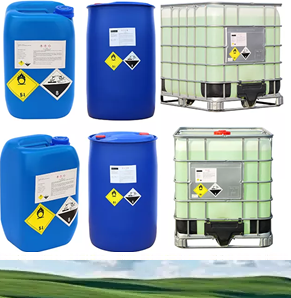
When you buy chemicals with 80%-85% purity percentage, you are often capitalizing on economies of scale. These chemicals are frequently supplied in bulk quantities (drums, IBC totes, or tanker trucks). By choosing this purity grade, you reduce the CAPEX of your production line without sacrificing the primary chemical reaction efficacy.
Stability and Buffer Agents
Frequently, chemicals at the 80%-85% mark are “stabilized.” For example, hydrogen peroxide or certain industrial acids are often kept at these concentrations to ensure the shelf-life and stability of the compound, preventing premature degradation that might occur in hyper-concentrated formats.
Key Examples of Chemicals Often Sourced at 80%-85% Concentration
Not all chemicals are meant to be pure. The following compounds are industry staples often traded at the 80%-85% concentration level:
1. Industrial-Grade Phosphoric Acid (85%)
Phosphoric acid is perhaps the most famous example of this purity tier. Used extensively in the food industry as an acidulant, in rust removal, and for metal surface treatment, 85% is the standard commercial strength. It provides the necessary acidity for cleaning while remaining viscous enough for industrial handling.
2. Formic Acid (85%)
Used primarily in the leather industry for tanning and in the production of silage to prevent fermentation, 85% formic acid is the typical commercial grade. It strikes a balance between reactivity and handling safety.
3. Lactic Acid (80%)
In the pharmaceutical and food preservation industries, 80% lactic acid is the industry standard. It is used as a pH regulator and an intermediate in the production of biodegradable plastics.
4. Various Industrial Solvents and Surfactants
Many specialized detergents and industrial solvents are supplied at 80% activity. The remaining 20% is typically water or a solvent carrier meant to facilitate better dispersion during the cleaning process.
Pricing Trends for 80%-85% Purity Chemicals
Pricing for these chemicals is highly variable based on global supply chains, energy costs, and raw material availability. While it is impossible to list a static price, we can provide indicative market pricing benchmarks for the industry:
| Chemical Compound |
Typical Bulk Price Range (Per KG) |
| Phosphoric Acid (85%) |
$1.20 – $2.50 |
| Formic Acid (85%) |
$1.50 – $3.00 |
| Lactic Acid (80%) |
$2.00 – $4.00 |
| Industrial Surfactant Blends (80%) |
$3.50 – $6.50 |
Note: Prices are estimates and fluctuate based on purchase volume, logistical costs, and geographical location. To get a real-time quote tailored to your specific requirements, visit ChemicalsSuppliers.com.
Sourcing Strategy: Why Choose ChemicalsSuppliers.com?
When operating in the chemical industry, your supply chain is only as strong as your vendor. Sourcing sub-standard purity can lead to catastrophic failure in batches, expensive equipment corrosion, or regulatory non-compliance.
At ChemicalsSuppliers.com, we provide:
- Certificates of Analysis (COA): Every batch is tested to ensure that the 80%-85% purity range is maintained with precision.
- Global Distribution: Whether you are in North America, Europe, or Asia, our logistical network ensures timely delivery of bulk orders.
- Safety Compliance: Handling chemicals at 80%+ concentration requires specialized packaging and expertise. We strictly adhere to OSHA and REACH global standards.
How to Order
- Visit our portal: Navigate to ChemicalsSuppliers.com.
- Search by CAS Number or Name: Our extensive database allows you to filter by purity percentage.
- Request a Quote: Specify your required volume and purity grade to receive a competitive pricing offer.
- Logistics Coordination: Our team handles the shipping documentation, ensuring your chemicals reach your facility safely.
Technical Considerations for Handling 80%-85% Chemicals
When you buy chemicals at this range, Safety Data Sheets (SDS) are your best friend. Even at “reduced” purity, these chemicals are highly concentrated.
- Corrosion Resistance: Ensure your storage tanks are made of materials suited for the chemical. For example, 85% phosphoric acid can be corrosive to certain grades of steel; polyethylene tanks are often preferred.
- Personal Protective Equipment (PPE): Never assume that 85% concentration means it is “diluted enough.” Always use nitrile gloves, acid-resistant aprons, and eye protection.
- Storage Temperature: Some chemicals in this range are sensitive to crystallization if temperatures drop too low. Climate-controlled storage is vital for maintaining product integrity.
The Environmental and Regulatory Landscape
Sustainability is no longer an afterthought. When sourcing chemicals, look for suppliers who prioritize environmental compliance. ChemicalsSuppliers.com works with manufacturers that implement “Green Chemistry” initiatives, reducing the footprint of the manufacturing process of 80%-85% purity intermediates.
For further reading on industrial safety and chemical handling regulations, we recommend checking the International Chemical Safety Cards (ICSC).
Frequently Asked Questions (FAQs)
Q: Can I use 80% purity chemicals for food-grade applications? A: Only if the product is explicitly labeled as FCC (Food Chemicals Codex) grade. Purity percentage refers to the concentration, not necessarily the contaminants. Always verify the grade before consumption-related use.
Q: Does 85% purity imply the remaining 15% is water? A: Not always. The balance could be a stabilizer, a catalyst, or a solvent. Always check the MSDS for the exact composition balance.
Q: What is the benefit of buying from a specialized chemical supplier versus a general wholesaler? A: Specialized suppliers like ChemicalsSuppliers.com provide technical support, rigorous quality control documentation, and specialized labeling that general wholesalers often ignore.
Conclusion: Partnering for Global Excellence
Choosing the right chemical supplier is a critical decision that influences the quality of your end product. By understanding the advantages of 80%-85% purity chemicals—specifically their cost-effectiveness and industrial versatility—you position your business for scalability and success.
Whether you are in textile manufacturing, pharmaceutical synthesis, or agricultural processing, ChemicalsSuppliers.com offers the reliability, volume, and quality assurance your business demands. Browse our extensive catalog, request a quote today, and experience the difference that professional-grade sourcing makes.
Ready to streamline your supply chain? Visit ChemicalsSuppliers.com and let our specialists assist you in finding the exact chemical purity you need for your next production run.
Tags
Chemical procurement strategies, high-purity industrial reagents, bulk chemical sourcing, CAS number chemical search, industrial acid suppliers, 85% phosphoric acid bulk price, chemical supply chain, wholesale chemical distributors, chemical quality control standards, industrial chemical concentration, chemical purity percentage explanation, purchasing chemicals online, global chemical export services, chemical reagent storage guidelines, laboratory grade vs industrial grade chemicals, procurement of intermediate chemicals, chemical logistics and transport, chemical safety compliance, sourcing chemicals for manufacturing, chemical compound activity levels, chemical raw material supply, industrial chemicals for sale, bulk supply of active ingredients, chemical purity testing, industrial solvent suppliers, chemical inventory management.