Buying 75%–80% Purity Chemicals: Sourcing, Applications, and Industry Standards
75% to 80% purity—often provides the perfect balance between cost-effectiveness and performance.
At ChemicalsSuppliers.com, we understand that navigating the technical landscape of chemical procurement can be daunting. This guide is designed to serve as your ultimate resource for understanding, sourcing, and applying chemicals within this specific concentration range.
Understanding the 75%–80% Purity Threshold
Why is 75% to 80% purity a critical category? In many industrial applications, reaching 99.9% (ACS grade) purity is not only unnecessary but prohibitively expensive. Chemicals marketed at 75–80% purity are typically “Technical Grade” or “Industrial Grade.”
These chemicals contain trace components—often water, stabilizers, or inert carriers—that do not interfere with the primary reaction or physical properties required for the job. By opting for this purity level, manufacturers significantly reduce overhead while maintaining robust performance.
Key Factors to Consider When Buying:
- Purity vs. Concentration: Always clarify if the percentage refers to the concentration of the active solute in a solvent (like 80% Acetic Acid) or the purity of the chemical substance itself (impurities included).
- Batch Consistency: Industrial applications require consistent quality. Ensure your supplier provides Certificates of Analysis (COA) for every shipment.
- Safety Handling: Chemicals at 80% concentration are often significantly more reactive or corrosive than their dilute counterparts; proper PPE (Personal Protective Equipment) is non-negotiable.
Common Chemicals Available at 75%–80% Purity
Many essential chemicals are standardly distributed in the 75–80% range because this concentration represents a stable equilibrium point for storage and transportation.
1. Phosphoric Acid (80% Concentration)
Used extensively in the food, beverage, and metal-finishing industries. At 80% concentration, it is used for rust removal and as a pH adjuster.
- Typical Market Price Range: $1.20 – $2.50 per kg (depending on volume and grade).
2. Acetic Acid (Glacial vs. 80% Solution)
While “Glacial” is 99%, an 80% solution is frequently preferred for large-scale agricultural and textile processing to prevent freezing and reduce handling hazards.
- Typical Market Price Range: $0.90 – $1.80 per kg.
3. Sodium Hypochlorite (Stabilized Solutions)
Commonly used in water treatment. While shelf life varies, stabilized solutions around 75–80% (in specialized concentrated formats) are vital for industrial bleaching.
- Typical Market Price Range: $0.60 – $1.50 per kg.
4. Ethylene Glycol / Propylene Glycol Mixtures
Often sold at specific concentrations for heat transfer fluids. Maintaining an 80% purity level ensures the correct freezing point depression for HVAC systems.
- Typical Market Price Range: $1.50 – $2.80 per kg.
Where to Buy 75%–80% Purity Chemicals
Finding a reliable supplier is the most critical step in your procurement process. You need a partner that ensures supply chain stability, safety compliance, and clear documentation.
ChemicalsSuppliers.com stands out in the global marketplace by bridging the gap between large-scale manufacturers and end-users. We offer a streamlined procurement process that handles:
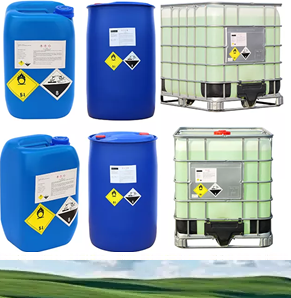
- Global Logistics: We ensure your chemicals arrive safely, complying with international shipping standards for hazardous goods.
- Quality Assurance: Every product listed on our platform undergoes rigorous documentation checks.
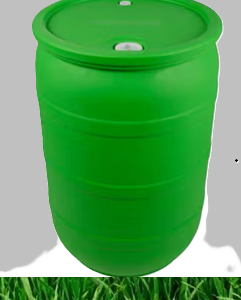
- Bulk Procurement: Whether you need a few drums or full container loads, our network connects you directly with the source.
To view our full catalog, visit: ChemicalsSuppliers.com
The Economics of Purity: Why 80% is Often the “Smart Choice”
When procurement managers look at a balance sheet, they often fall into the trap of assuming “purer is always better.” However, high-purity chemicals (99%+) often come with a “purity premium.”
The Cost-Benefit Analysis
- Solvent Dilution: If your end-product requires a solvent, buying a 99% chemical and diluting it yourself adds labor and safety risks. Buying an 80% solution often removes a step from your production line.
- Regulatory Hurdles: Highly pure chemicals are often more strictly regulated for transport. 75–80% concentrations may sit in a different transport category, making logistics cheaper and faster.
- Waste Management: High-purity reactions often produce more toxic byproducts. Selecting an 80% purity level can sometimes lead to a “greener” process with more manageable waste streams.
Industry Applications: Who Needs 75–80% Concentration?
The demand for 75–80% purity chemicals spans across several diverse sectors:
Agriculture
Fertilizers and soil conditioners often require specific concentrations of phosphorus and nitrogen compounds. Utilizing 80% purity raw materials allows farmers and agro-producers to achieve high crop yields at a fraction of the cost of lab-grade inputs.
Water Treatment
Municipalities and industrial plants utilize massive amounts of disinfectants and flocculants. The 80% purity threshold is the industry standard for these chemicals, providing enough active ingredient to treat millions of liters of water without excessive cost.
Construction and Metallurgy
Metal cleaning, descaling, and etch primers rely on acids and degreasers. The intensity of 80% concentration is the “sweet spot” for stripping rust or grease without damaging the underlying structural integrity of the steel.
How to Source Safely on Chemicalssuppliers.com
When visiting ChemicalsSuppliers.com, follow these steps to ensure you get the right product for your needs:
- Search the Database: Use the search bar for the specific chemical name (e.g., “Phosphoric Acid” or “Acetic Acid”).
- Filter by Grade: Look for the “Industrial/Technical Grade” labels, which typically correspond to the 75–80% purity tier.
- Review the MSDS/SDS: Always download the Safety Data Sheet provided for each chemical to ensure your facility is equipped to handle it.
- Inquire for Bulk Quotes: Use the contact forms to specify your volume requirements. Buying in bulk can significantly lower the price per unit.
- Check Certification: Ensure the supplier provides a COA (Certificate of Analysis) to verify the 75–80% purity claim.
The Future of the Chemical Supply Chain
The global chemical market is shifting toward digital procurement. ChemicalsSuppliers.com is at the forefront of this, leveraging technology to provide:
- Real-time Inventory Tracking: Know exactly when your shipment will arrive.
- Price Volatility Alerts: Get notified when prices for essential chemicals in the 75–80% range fluctuate, allowing for better budget planning.
- Sustainable Sourcing: We prioritize vendors who practice sustainable manufacturing and efficient chemical reclamation.
For more insights into the industry, browse our Latest Industry Reports to understand how global supply chains are adapting to current environmental regulations.
Frequently Asked Questions (FAQ)
What is the difference between 80% purity and 80% concentration?
Purity refers to the percentage of the target substance in the total weight of the sample (including impurities). Concentration refers to the amount of solute in a solution. In the context of industrial chemicals, these are often used interchangeably, but you should always check the COA.
Is it safe to ship 80% purity chemicals internationally?
Yes, provided that the materials are packaged according to UN (United Nations) standards for the transport of dangerous goods. ChemicalsSuppliers.com works with certified logistics partners to ensure compliant delivery.
How can I get a custom quote for specific volume requirements?
Navigate to the product page on ChemicalsSuppliers.com and click on the “Request Quote” button. Provide your shipping destination and volume, and our team will get back to you with competitive pricing.
Conclusion
Buying chemicals at 75–80% purity is a strategic decision that favors efficiency, cost control, and operational stability. Whether you are a small business or a tier-one manufacturing facility, having access to consistent, high-quality industrial chemicals is the key to maintaining your competitive edge.
By leveraging the resources and verified networks at ChemicalsSuppliers.com, you gain the advantage of a global procurement team dedicated to sourcing the exact specifications you need. Explore our platform today, compare prices, and secure your supply chain for the future.
Visit ChemicalsSuppliers.com to start your procurement journey.
TagKeywords
Chemical purchase portal, 80% concentration industrial reagents, wholesale chemical buying, technical grade chemical suppliers, chemical procurement strategy, bulk chemical price comparison, industrial grade chemical purity standards, where to buy chemicals online, global chemical distribution network, sourcing chemicals for manufacturing, high-purity vs technical-grade chemicals, chemical supply chain management, purchasing phosphoric acid 80%, buying acetic acid wholesale, chemical hazardous logistics, industrial chemical manufacturers directory, cost-effective chemical sourcing, laboratory reagent vs industrial chemical, bulk chemical delivery services, chemical safety and compliance, chemical procurement platform, chemical wholesale marketplace, chemical purity verification, industrial chemical supply, raw material sourcing agents, chemical distributor, chemical manufacturer, bulk chemical supplier, chemical pricing index 2024, specialized chemical sourcing, hazardous chemical transport, chemical procurement guide, chemical grade explanation, technical grade definition, sustainable chemical procurement, chemical import and export, chemical industry trends, industrial solvent purchasing, chemical reagent suppliers.