Sourcing 60%–65% Purity Chemicals: Applications, Pricing, and Quality Assurance
Whether you are formulating cleaning agents, preparing agricultural pesticides, or conducting small-scale organic synthesis, finding the right concentration level is vital.
For many industrial applications, 60% to 65% purity chemicals hit the “sweet spot.” They are robust enough for high-yield reactions but more cost-effective than ultra-high-grade (99.9%+) analytical reagents. If you are struggling to find a reliable source for these specific concentrations, you have come to the right place.
At ChemicalsSuppliers.com, we bridge the gap between high-volume industrial requirements and granular laboratory needs. This guide will walk you through why 60-65% concentration matters, which chemicals are commonly sourced at this rate, current pricing structures, and how to source them safely.
Why Choose 60%–65% Purity Chemicals?
The chemical industry often categorizes substances by “Technical Grade,” “Industrial Grade,” and “Reagent Grade.” A 60%–65% concentration usually falls within the industrial or technical spectrum.
1. Cost-Efficiency
High-purity reagents require energy-intensive purification processes like fractional distillation or multiple recrystallizations. By opting for a 60–65% purity level, you avoid paying for “over-processing” that you don’t actually need for your specific application.
2. Operational Safety
Highly concentrated acids or reactive compounds (e.g., 98% Sulfuric Acid) are incredibly hazardous to handle. 60–65% concentrations serve as a safer alternative in manufacturing environments, reducing the risk of severe chemical burns or violent exothermic reactions while still providing sufficient reactivity.
3. Formulation Readiness
Many industrial formulations, such as pool treatments, industrial detergents, and soil conditioners, are designed to work optimally at these specific molarities. Using a 60% solution can save you the labor time required for dilution in your own facility.
Notable Examples of Chemicals Sourced at 60%–65% Concentration
The demand for specific chemical grades is broad. Here are some of the most common substances that our clients source at this purity level via ChemicalsSuppliers.com:
Nitric Acid (HNO3)
Industrially, Nitric Acid is often supplied at a 60-65% concentration. It is the gold standard for etching metals, cleaning semiconductor surfaces, and producing ammonium nitrate fertilizers. At this concentration, it is stable enough for logistics but potent enough for industrial-scale pickling.
Hydrogen Peroxide (H2O2)
While consumer-grade peroxide is 3%, industrial-grade hydrogen peroxide is frequently sold at 60%–65% for bleaching agents in the paper and pulp industry or as a powerful oxidant in wastewater treatment.
Phosphoric Acid (H3PO4)
Often used in rust removal and as an additive in food processing (though food-grade requires stricter certification), the 60–65% range is standard for metal treatment and industrial cleaning of dairy pipes and equipment.
Sodium Hydroxide (NaOH) Solutions
While solid pellets are 99% pure, many industrial processes require liquid caustic soda. We assist clients in sourcing pre-diluted liquid solutions that ensure precise concentration metrics, reducing the risk associated with mixing flakes into water.
Pricing Overview: Understanding Market Costs
Pricing for chemicals is dynamic, influenced by the Global Chemical Market Index, supply chain logistics, and raw material availability.
Note: Prices below are estimates per kilogram based on wholesale pricing models currently active on our platform.
| Chemical |
Purity |
Estimated Price (Per Kg / Bulk) |
| Nitric Acid |
60% |
$1.80 – $3.50 |
| Hydrogen Peroxide |
65% |
$2.20 – $4.10 |
| Phosphoric Acid |
60% |
$2.50 – $4.50 |
| Industrial Acids (Blend) |
60-65% |
$3.00 – $5.00 |
Disclaimer: Prices fluctuate based on order volume, shipping location, and current market volatility. For a live, personalized quote, please visit ChemicalsSuppliers.com/request-a-quote.
How to Source Quality-Controlled Chemicals
When you buy chemicals, you aren’t just buying the substance; you are buying the Certificate of Analysis (COA).
Why the COA Matters
A 60% purity chemical implies that the remaining 40% is composed of other substances. In industrial settings, knowing what those “other substances” are is critical. Are they inert water? Are they heavy metal contaminants? Are they volatile organic compounds (VOCs)?
At ChemicalsSuppliers.com, we ensure that all suppliers providing materials through our network adhere to:
- ISO 9001 Certification: Ensuring consistent quality management.
- Safety Data Sheets (SDS): Updated documentation on handling, storage, and emergency procedures.
- Traceability: Access to batch numbers, manufacturing dates, and purity testing results.
Finding a chemistry supplier that understands your specific purity requirements can be an arduous process. Many vendors only sell in bulk, while others offer poor documentation.
Our website, ChemicalsSuppliers.com, serves as a comprehensive directory and supply chain partner. Here is why professionals choose us:
- Global Logistics: We connect you with verified suppliers worldwide, ensuring that import/export regulations are handled correctly.
- Tiered Pricing: As your production scales, so does your discount. We help you negotiate direct wholesale relationships.
- Technical Support: If you aren’t sure if 60% or 65% is the right concentration for your reaction, our support team can help bridge the gap between your engineering team and the chemical suppliers.
Step-by-Step Purchasing Process
- Visit ChemicalsSuppliers.com: Browse our extensive catalog.
- Filter by Purity: Use our search tool to isolate items with 60%–65% concentration tiers.
- Request a Quote: Submit your project requirements, including purity, volume, and timeline.
- Safety Verification: Review the provided COA and SDS.
- Logistics & Delivery: Arrange shipment through our vetted carriers.
Safety and Best Practices for Handling 60-65% Chemicals
Handling chemicals at this concentration requires strict adherence to safety protocols. A 60% acid solution is not to be handled with standard lab gloves; it requires specific chemical-resistant materials (Nitrile or Neoprene).
1. Storage Solutions
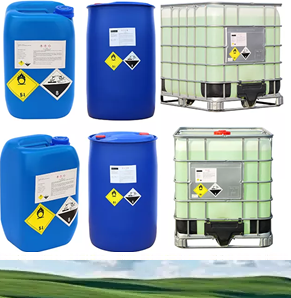
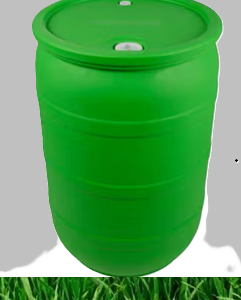
Always store these chemicals in secondary containment. If a drum leaks, the secondary containment prevents the chemical from reaching floor drains or soil, which is a major compliance issue according to the EPA guidelines.
2. PPE Requirements
- Eye Protection: Chemical splash goggles are mandatory. A face shield is recommended if transferring large volumes.
- Skin Protection: Full-body aprons and gloves that comply with the concentration level of the chemical.
- Respiratory Protection: Ensure proper ventilation. If the concentration of vapors exceeds exposure limits, an appropriate respirator with the correct cartridge (e.g., acid gas cartridges) must be used.
3. Disposal Protocols
Do not pour chemical waste down the drain. Always partner with a certified hazardous waste disposal company in your region.
Future Trends in Chemical Procurement
The chemical industry is shifting. We are seeing a move toward Green Chemistry and Just-in-Time (JIT) Manufacturing.
- Sustainable Sourcing: More industries are looking for suppliers who use eco-friendly manufacturing methods to reach that 60% purity grade.
- Blockchain Tracking: Soon, you will be able to track your 60% chemical purity levels from the refinery to your doorstep using blockchain-integrated supply chains, ensuring no unauthorized dilution occurred during shipping.
ChemicalsSuppliers.com is at the forefront of these technological advancements. By digitizing the supply chain, we provide our clients with transparency that was previously impossible.
Frequently Asked Questions (FAQ)
Can I dilute a 98% acid to get a 60% solution?
Yes, but it is highly dangerous. Diluting concentrated acids is an exothermic reaction, meaning it generates massive amounts of heat. If done incorrectly, the solution can boil and spray acid. It is almost always safer and more cost-effective to buy the exact concentration (60–65%) from a professional supplier.
Does “60% purity” mean the rest is water?
Not always. In chemical manufacturing, “60% pure” means 60% of the substance by mass or volume is the active chemical. The remaining 40% could be water, stabilizers, or inert fillers. Always check the Certificate of Analysis (COA) to see what the remaining percentage is composed of.
Are there shipping restrictions for 60% chemicals?
Yes. Many chemicals at this concentration are classified as “Hazardous Materials” (HazMat) for transport by sea, air, or road. Our team at ChemicalsSuppliers.com handles all the necessary UN-certified packaging requirements to ensure your shipment arrives safely and legally.
Final Thoughts: Choosing a Partner, Not Just a Vendor
When you buy chemicals, you are essentially establishing a supply chain partnership. A delay in the arrival of your 60% Phosphoric Acid could stall your entire production line. That is why businesses globally rely on ChemicalsSuppliers.com.
We provide the bridge between the complex world of industrial chemical manufacturing and your specific business needs. Whether you need a small drum for a pilot program or consistent tanker deliveries, we have the network to support your growth.
Ready to start sourcing? Visit ChemicalsSuppliers.com today to browse our catalog, request a quote, and speak with our technical team.
Additional KeyTags
Chemical concentration sourcing, wholesale industrial chemicals, 60% purity chemical suppliers, 65% concentration chemicals bulk, chemical supply chain management, industrial reagents online, buying chemicals for manufacturing, chemical procurement services, MSDS and COA chemical documentation, nitric acid 60% industrial grade, phosphoric acid 65% purity, industrial hydrogen peroxide suppliers, safe chemical procurement, chemical purity testing standards, laboratory supply sourcing, raw material logistics, hazardous material shipping services, chemical purity percentage explanation, technical grade chemicals, industrial cleaning chemical suppliers, chemical trading platform, chemical market pricing analysis, wholesale chemical distribution, global chemical sourcing agents, acid and base supply, industrial chemical specifications, chemical quality assurance, custom dilution services, chemical manufacturer directory, reach verified chemical suppliers, chemical shipping regulations, procurement of specialized reagents, wholesale chemical price trends, chemical industry safety protocols, efficient chemical sourcing strategies, industrial chemical grade requirements, online chemical marketplace, sustainable chemical procurement, bulk raw material sourcing, chemical storage and handling guidelines, industrial chemical compliance, how to source 60 percent purity chemicals, reliable chemical wholesalers, chemical supply chain transparency, international chemical logistics.