Sourcing Industrial Chemicals (50% – 55% Purity): Applications, Market Pricing, and Procurement Strategies
While many industries seek ultra-high purity (99.9%+) for analytical chemistry, a massive segment of the market—ranging from water treatment to large-scale organic synthesis—thrives on the 50% to 55% purity concentration range.
At ChemicalsSuppliers.com, we recognize that balancing cost-efficiency with functional efficacy is the primary goal for plant managers and procurement officers. This guide explores why the 50%-55% purity tier is a “sweet spot” for industrial procurement, provides a market pricing overview, and explains why sourcing through a dedicated hub is critical to maintaining a reliable supply chain.
Why 50% to 55% Purity? Understanding the “Industrial Grade” Advantage
When we talk about chemicals at 50%–55% purity, we are often discussing aqueous solutions or technical-grade mixtures. In many industrial processes, a high-purity chemical is not only unnecessary—it is economically wasteful. Using a 99% pure reagent in a process where a 50% concentration is the technical requirement increases the overhead cost significantly without improving the final product yield.
The Economic Efficiency
By purchasing chemicals at the 50%–55% purity level, businesses achieve:
- Lower Freight Costs: Since many of these chemicals are shipped in diluted aqueous form, you are not paying to ship the “excess” refinement cost associated with higher purity grades.
- Scalability: These concentrations are often ready for direct dosing in industrial water treatment, pH adjustment, or textile processing, eliminating the need for on-site dilution and additional water usage.
- Safety Profile: Concentrated (99%+) chemicals are often more hazardous to handle. A 50% solution typically offers a more manageable risk profile for employee exposure and containment protocols.
Key Chemicals Frequently Sourced at 50%–55% Concentration
At ChemicalsSuppliers.com, we provide access to a wide array of industrial reagents. Below are some of the most requested chemicals that fall within the 50% to 55% purity range.
1. Sodium Hydroxide (Caustic Soda) Solution
Commonly supplied as a 50% aqueous solution, sodium hydroxide is the backbone of the pulp and paper industry, soap manufacturing, and chemical cleaning.
- Application: pH regulation, degreasing, and mineral extraction.
- Why 50%? It is the standard liquid concentration for bulk delivery, preventing the freezing issues associated with higher concentrations while remaining highly reactive.
2. Hydrogen Peroxide (H2O2)
While laboratory grades vary, industrial Hydrogen Peroxide is frequently traded at 50% concentration.
- Application: Bleaching agent in textiles and paper, wastewater treatment (Advanced Oxidation Process).
- Why 50%? It provides a high oxygen-release capacity while maintaining a stable shelf-life for industrial-scale storage tanks.
3. Fluoboric Acid
Fluoboric acid is often manufactured and sold at a 50% concentration for plating and electrotyping.
- Application: Metal cleaning and pickling.
- Why 50%? This concentration is the industry standard for stabilizing the acidic environment required for non-ferrous metal etching.
Pricing Trends: What to Expect in the Current Market
Pricing for chemicals is dynamic. It is influenced by energy costs, raw material availability (upstream supply chain), and logistical overhead. While prices fluctuate, procurement officers should use the following table as a benchmark for 50%-55% purity chemicals in bulk.
| Chemical |
Typical Packaging |
Estimated Price Range (USD)* |
| Sodium Hydroxide (50%) |
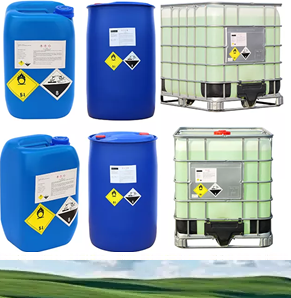
1,000L IBC Tote |
$450 – $650 per Metric Ton |
| Hydrogen Peroxide (50%) |
1,000L IBC Tote |
$800 – $1,200 per Metric Ton |
| Fluoboric Acid (50%) |
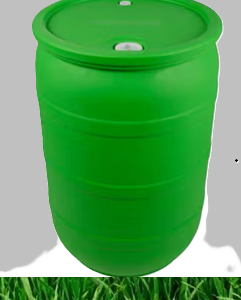
200L Drum |
$1.20 – $1.80 per kg |
*Note: Prices are estimates based on global market averages and are subject to volume discounts and current fuel surcharges. For live, real-time quotes, visit ChemicalsSuppliers.com.
Factors Influencing Your Price
- Order Volume: Bulk purchasing reduces the cost per unit significantly due to the amortization of shipping and handling fees.
- Logistics (Incoterms): Whether you are buying FOB (Free on Board) or DDP (Delivered Duty Paid), the geography of your plant relative to the chemical terminal will impact the final price.
- Seasonality: During peak agricultural or construction seasons, demand for certain reagents (like acids for fertilizer or water treatment) can cause temporary price spikes.
How to Source High-Quality 50%-55% Purity Chemicals
The market for industrial chemicals is saturated with middlemen, which can lead to inflated costs and inconsistent quality documentation (COA). To optimize your procurement, follow these steps:
1. Identify Your Specification Requirements
Before inquiring for a quote, define your purity threshold. Does your process strictly require 50%, or is a range of 48%–52% acceptable? Defining this variance allows suppliers to provide more competitive pricing on “off-spec” or standard batches.
2. Verify Documentation
A reputable supplier must provide:
- Certificate of Analysis (COA): Verifying the 50%-55% purity.
- Material Safety Data Sheet (MSDS/SDS): Essential for OSHA/international compliance.
- TDS (Technical Data Sheet): Explaining the physical properties and compatibility.
The mission of our platform is to simplify the procurement of industrial-grade reagents. We connect manufacturers directly with validated suppliers. By visiting our portal, you gain immediate access to:
- A diverse database of verified chemical manufacturers.
- Real-time RFQ (Request for Quote) capabilities.
- Logistical support for international shipping and hazardous materials handling.
Comparison: Why [ChemicalsSuppliers.com] Leads the Market
Many websites simply list chemical names; we provide a procurement ecosystem. Unlike competitor sites that offer stale data, we prioritize:
- Transparency: We provide clear purity ranges, ensuring that when you search for “50% purity,” you aren’t redirected to diluted lower-grade chemicals.
- Global Reach, Local Sourcing: We utilize a vast network of regional distribution hubs to minimize the carbon footprint and the shipping cost of your chemicals.
- Technical Support: If you aren’t sure if 50% vs. 55% is the right grade for your electrochemical process, our support team helps align your needs with technical specifications.
Storage and Safety Protocols
Handling chemicals at 50%–55% concentration—particularly caustic or oxidative substances—requires rigorous safety protocols.
- Containment: Always store these chemicals in specialized, high-density polyethylene (HDPE) or stainless-steel tanks depending on the corrosivity.
- Temperature Control: Ensure storage areas are climate-controlled. While 50% concentrations are generally stable, extreme heat can cause pressure buildup in closed containers.
- PPE: Personnel should utilize chemical-resistant gloves, face shields, and appropriate respiratory protection.
For detailed storage guidelines per specific chemical, consult the Chemical Safety Information from the CDC.
Market Outlook: The Demand for Mid-Tier Purity
The global chemical industry is moving toward more efficient usage of resources. We are seeing a trend where companies are optimizing their production workflows to utilize 50%-55% concentrations effectively. By moving away from over-specification, companies are reducing their environmental footprint, a crucial metric for ESG (Environmental, Social, and Governance) compliance in modern manufacturing.
Whether you are in the automotive finishing industry, water management, or the production of agrochemicals, sourcing at the 50% concentration level is a strategic financial move that, when supported by a reliable partner like ChemicalsSuppliers.com, ensures your production line never stops.
Frequently Asked Questions (FAQ)
Q: Does 50% purity mean the rest of the liquid is water? A: In most cases, yes—the solvent is typically deionized or distilled water. However, some industrial-grade chemicals contain trace stabilizers. Always check the COA on ChemicalsSuppliers.com for the specific impurity profile.
Q: Can I get a Certificate of Analysis before purchasing? A: Absolutely. We encourage all buyers to request a COA from the specific supplier through our portal to ensure the chemical meets their internal quality management system standards.
Q: How do you handle shipping for hazardous chemicals? A: We partner with specialized logistics providers who are certified in the transport of dangerous goods (International Maritime Dangerous Goods code). We ensure all labels, placarding, and documentation are compliant with local and international law.
Conclusion
Sourcing chemicals at the 50%–55% purity level is an art of balance. It requires the right technical knowledge, a reliable supply partner, and a keen eye on pricing trends. By leveraging the resources at ChemicalsSuppliers.com, you eliminate the guesswork and gain access to a streamlined, secure, and cost-effective procurement experience.
Don’t let inefficient sourcing drain your profitability. Visit ChemicalsSuppliers.com today to browse our catalog, request a quote, and join the thousands of professionals who trust us with their industrial chemical supply chain.
Tags
Chemical procurement guide, industrial reagent sourcing, 50% caustic soda supplier, purchase 55% hydrogen peroxide, bulk chemical logistics, chemical purity grades, industrial chemical pricing, water treatment chemicals, pH control reagents, chemical supply chain management, ISO certified chemical suppliers, bulk chemical quotes, chemical trading platform, industrial concentration reagents, chemical manufacturing inputs, safe handling of corrosive chemicals, wholesale chemical distribution, global chemical market trends, acid-base chemistry procurement.