Buying 45%–50% Purity Chemicals: Sourcing, Applications, and Industry Standards
In the complex landscape of industrial manufacturing, laboratory research, and specialized cleaning operations, the concentration of chemical reagents is not merely a specification—it is the deciding factor in operational success. When you are looking to buy chemicals at 45%–50% purity percentage concentration, you are often entering a specialized niche where precision, stable chemistry, and supply chain reliability intersect.
At ChemicalsSuppliers.com, we recognize that sourcing reagents with a mid-range concentration requires a vendor who understands the nuances of chemical handling, logistics, and purity requirements. Whether you are scaling up a pilot project or maintaining a steady supply for industrial processing, understanding the market for 45%–50% concentration solutions is critical.
Why 45%–50% Concentration is the “Goldilocks” Zone
Many industrial processes require solutions that are neither too weak (which increases shipping costs for water content) nor anhydrous/100% pure (which can be hazardous, unstable, or unnecessarily expensive).
The 45%–50% purity bracket is often considered the “sweet spot” for several reasons:
- Safety and Handling: Higher concentrations (beyond 70% or 90%) often carry significant regulatory overhead, specialized storage requirements, and safety hazards, including extreme volatility or corrosiveness. By opting for 45%–50% concentrations, businesses can often bypass the most stringent “hazardous material” shipping tiers while still maintaining high reactivity.
- Cost-Efficiency: Purchasing high-volume drums or IBC totes of 50% solutions reduces the cost per unit of active ingredient.
- Stability: Many chemical compounds are more stable at a 50% concentration in an aqueous solution than in their concentrated form, which may be prone to crystallization or polymerization.
Common Chemicals Available in 45%–50% Concentrations
Understanding what is available in this specific concentration bracket allows you to better plan your inventory. Below are some of the most frequently requested chemicals at ChemicalsSuppliers.com.
1. Sodium Hydroxide (Caustic Soda)
Sodium Hydroxide is a staple of the chemical industry. While available in flakes and beads, many industrial users prefer a 50% liquid solution.
- Application: Used extensively in soap manufacturing, pH balancing, pulp and paper processing, and water treatment.
- Why 50%? It eliminates the need for dissolving solid beads, which release significant exothermic heat (dangerous) and require specialized mixing equipment.
2. Hydrogen Peroxide (H₂O₂)
While household peroxide is typically 3%, industrial-grade hydrogen peroxide is commonly sold at 50% concentration.
- Application: Used for bleaching textiles, paper pulp, and as a potent oxidizer in chemical synthesis.
- Why 50%? It provides the necessary oxidative strength for industrial applications without the extreme risks associated with higher, propellant-grade concentrations.
3. Potassium Hydroxide (KOH)
Often used similarly to Sodium Hydroxide, Potassium Hydroxide is frequently supplied as a 45% solution.
- Application: Essential for the production of soft soaps, potassium-based fertilizers, and as an electrolyte in alkaline batteries.
4. Glutaraldehyde
This powerful disinfectant is commonly diluted to 50% for commercial use.
- Application: Used in hospitals for sterilizing medical equipment and in industrial water treatment as a biocide for cooling towers and oilfield operations.
5. Various Surfactants and Specialized Polymers
Many raw material additives, including certain poly-aluminum chlorides and proprietary surfactants, are manufactured at a 50% concentration to maximize shelf stability and ease of dosage.
Price Analysis: What to Expect
Pricing for chemicals with 45%–50% purity varies based on market demand, raw material costs (commodity pricing), and volume. While spot pricing fluctuates daily, here is a general guide on how to evaluate the costs you see at ChemicalsSuppliers.com.
| Chemical |
Average Price per Gallon (Industrial Bulk) |
Factors Influencing Price |
| 50% Sodium Hydroxide |
$4.50 – $8.00 |
Logistics, Drum vs. IBC Tote |
| 50% Hydrogen Peroxide |
$12.00 – $22.00 |
Stability stabilizers, Transport grade |
| 45% Potassium Hydroxide |
$9.00 – $15.00 |
Purity grade (ACS vs. Industrial) |
| 50% Glutaraldehyde |
$25.00 – $45.00 |
Concentration accuracy, Biocide purity |
Note: Prices are estimates and subject to change. For real-time quotes, visit our official portal.
The Chemical Procurement Process: How to Buy Safely
When you choose to purchase chemicals at 45-50% purity concentration, you are dealing with professional-grade materials. At ChemicalsSuppliers.com, we maintain strict protocols to ensure your orders arrive safely and within regulatory compliance.
Step 1: Identify Your Grade
Are you looking for Industrial Grade, Technical Grade, or ACS (American Chemical Society) Grade? For 45%–50% solutions, Industrial/Technical grade is the standard for manufacturing, while ACS grade is reserved for rigorous laboratory analysis.
Step 2: Logistics and Packaging
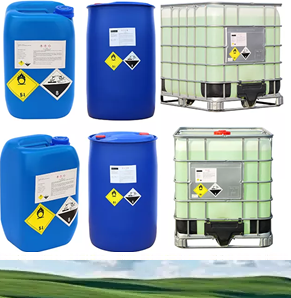
At 50% concentration, these substances are often heavy and potentially corrosive. Consider the packaging:
- 5-Gallon Pails: Best for pilot plants or small labs.
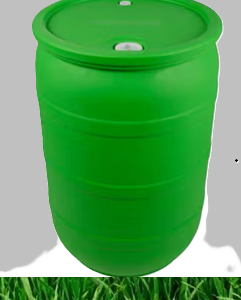
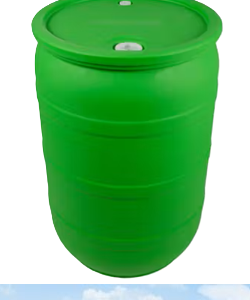
- 55-Gallon Drums: The standard for mid-sized operations.
- 275/330-Gallon IBC Totes: Most cost-effective for large-scale industrial manufacturing.
Step 3: Regulatory Compliance
Always review the Safety Data Sheet (SDS/MSDS) before receiving your shipment. Even at 50%, many chemicals are highly reactive. Ensure your facility has the appropriate PPE (Personal Protective Equipment) and secondary containment protocols in place.
Why Source from ChemicalsSuppliers.com?
The chemical supply chain can be opaque. Many websites list chemicals without transparent pricing or accessible support. ChemicalsSuppliers.com bridges the gap between massive chemical wholesalers and the specific needs of the end user.
- Diverse Inventory: We offer a wide range of reagents at varying concentrations.
- Quality Assurance: We verify the purity of our 45%–50% solutions through rigorous testing protocols.
- Expert Support: Our team can guide you on the compatibility of materials, helping you avoid hazardous reactions.
- Global Shipping Standards: We follow international shipping codes (IATA/IMDG) to ensure your chemicals arrive intact.
Integrating 45%–50% Chemicals into Your Operations
Once you have secured your supply, how can you effectively integrate these concentrations into your workflow?
1. Dilution Strategies
If you have a 50% stock solution but need a 10% solution for your reaction, always follow the “add acid to water” (or solute to solvent) rule. Using a calibrated dilution station or a proportional pump can ensure that your end-use concentration remains consistent, which is vital for quality control in manufacturing.
2. Storage Best Practices
Chemicals at this concentration level often have specific temperature requirements. For example, 50% Hydrogen Peroxide must be kept in vented containers to prevent pressure buildup from oxygen release. Ensure your storage area is cool, dry, and well-ventilated.
3. Inventory Management
Using a “First-In, First-Out” (FIFO) system is critical. While 45%–50% solutions are stable, they do have shelf lives, particularly those that are sensitive to light or ambient heat. Periodically check your stock, verify the concentration with a handheld refractometer or titration kit, and discard any material past its expiration date.
External Resources for Further Learning
To deepen your understanding of chemical safety and industrial standards, we recommend reviewing the following resources:
Frequently Asked Questions (FAQ)
Can I buy 50% concentration chemicals in small quantities?
Yes, at ChemicalsSuppliers.com, we cater to both industrial giants and small-scale laboratories. Our tiered packaging ensures you aren’t forced to buy more than you need.
Are these chemicals dangerous?
At 45%–50% concentration, most chemicals are classified as hazardous. They can cause skin burns, respiratory irritation, or react violently with other substances. Always wear appropriate PPE and consult the SDS.
How do I verify the purity percentage concentration?
For lab-level verification, titration is the gold standard. For field-level checking, refractometers are commonly used for specific chemicals like NaOH or KOH solutions to approximate concentration based on density.
Conclusion: Partnering for Success
Sourcing high-quality chemicals is the foundation of any chemical-reliant process. When your project demands the precision of a 45% to 50% purity concentration, you need a partner who prioritizes supply chain transparency, safety, and reliability.
At ChemicalsSuppliers.com, we are dedicated to providing the raw materials that fuel your innovation. Whether you are scaling up your production line or performing critical research, we invite you to explore our catalog, review our pricing, and reach out to our team for custom quotes and logistics solutions.
Visit ChemicalsSuppliers.com/contact today to start your next order. Let us provide the backbone of your chemical requirements so you can focus on building the future.
- Chemical purity percentages for industrial use
- Buying 50% concentration chemical solutions online
- High-grade chemical reagents supplier
- 50% Sodium Hydroxide supply for manufacturing
- Where to source high-concentration chemical compounds
- Chemical procurement guide for laboratories
- Industrial chemical sourcing 45% to 50%
- Cost of bulk chemicals 50% purity
- Chemical distributor for specialty liquids
- Safe handling of 50% reagent solutions
- Bulk chemical procurement strategies
- Reagent grade vs. Industrial grade chemicals
- Hydrogen peroxide 50% supply chain
- Potassium hydroxide 45% market price
- Chemical supply for water treatment facilities
- Quality control in chemical concentration management
- Refractometers for checking chemical concentration
- Industrial chemical logistics and shipping
- Purchasing raw materials for chemical synthesis
- B2B chemical marketplace ChemicalsSuppliers.com