Purchasing 40%–45% Purity Chemicals: Applications, Safety, and Procurement
In industrial manufacturing, laboratory research, and specialized chemical processing, the concentration of a chemical reagent is rarely a “one-size-fits-all” scenario. While high-purity (99%+) analytical reagents are essential for chromatography and baseline research, there is a massive, multi-billion dollar demand for 40%–45% purity concentration chemicals.
Whether you are in water treatment, textile manufacturing, agricultural formulation, or heavy industrial cleaning, sourcing chemicals at a 40%–45% purity level is often the “sweet spot” for balancing cost-efficiency with operational efficacy.
At Chemicals Suppliers, we recognize that finding reliable, high-quality, and consistently concentrated reagents at this specific purity bracket is a challenge for many procurement managers. This guide serves as your comprehensive resource for understanding why 40%–45% is a critical industry standard, which chemicals fit this profile, and how to source them effectively.
Why 40%–45% Concentration Matters
Many users mistakenly assume that “more pure is always better.” However, in industrial chemistry, dilution is often a deliberate process. Chemicals at 40%–45% concentration provide several distinct advantages:
- Safety and Stability: Many highly concentrated chemicals (80%–99%) are volatile, exothermic, or highly corrosive. By stabilizing these at 40%–45%, manufacturers reduce the risk of hazardous reactions during transport and handling.
- Economic Efficiency: You are not paying for the refining process required to reach 99% purity when your specific application (such as mass-scale industrial cleaning) does not biologically or chemically require it.
- Ready-to-Use (RTU) Formulations: 40%–45% is often the ideal concentration for further dilution in industrial processes, meaning your team spends less time measuring and mixing, and more time producing.
Key Chemicals Commonly Available at 40%–45% Purity
While the periodic table offers many elements, only a select group of industrial chemicals are standardized at the 40%–45% range. Below are the most frequently requested compounds found at Chemicals Suppliers.
1. Sodium Hydroxide (Caustic Soda) Solutions
Sodium hydroxide is the workhorse of the chemical industry. While solid pellets are 99%, liquid caustic soda is most commonly traded at 40%–45% purity.
- Applications: Pulp and paper processing, soap and detergent manufacturing, and pH neutralization in wastewater treatment.
- Why this range: At 40%–45%, liquid caustic soda maintains a lower freezing point than higher concentrations, preventing crystallization in storage tanks during colder climates.
2. Formaldehyde Solutions (Formalin)
Formalin is typically stabilized at a concentration of approximately 37%–40% formaldehyde in water.
- Applications: Preservative for medical labs, disinfectant, and a primary ingredient in the production of resins (urea-formaldehyde, phenol-formaldehyde).
- Compliance: Sourcing high-quality 40% formalin requires strict adherence to environmental safety standards, which we prioritize at Chemicals Suppliers.
3. Ammonium Hydroxide
Often referred to as aqueous ammonia, this is commonly sold at 25%–40% concentration.
- Applications: Fertilizer production, refrigeration systems, and as a precursor for various organic compounds.
- Note: Concentration levels above 40% become extremely volatile, making the 40% threshold the standard for safe industrial logistics.
4. Speciality Surfactants and Detergent Bases
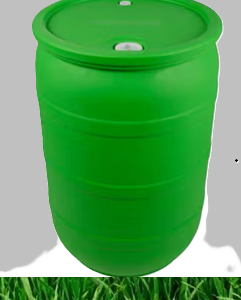
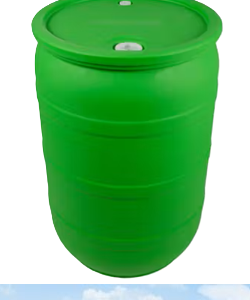
Many anionic and non-ionic surfactants are synthesized as concentrates. For example, Sodium Lauryl Ether Sulfate (SLES) is frequently supplied in 40%–45% concentration barrels for cosmetic formulation.
Price Analysis: What to Expect
Pricing for chemicals is dynamic, influenced by global logistics, raw material availability (upstream oil and gas prices), and regional regulations. However, for 40%–45% purity chemicals, the pricing structure is generally tiered based on order volume.
| Chemical Type |
Estimated Price Range (Per Metric Ton) |
Typical Minimum Order (MOQ) |
| Sodium Hydroxide (40%-45%) |
$450 – $750 |
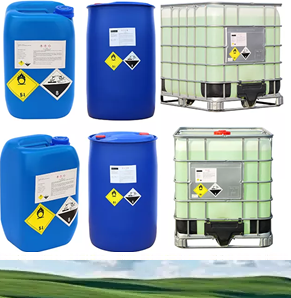
1 Metric Ton (IBC Totes) |
| Formaldehyde Solution (40%) |
$300 – $600 |
200 Liters (Drum) |
| Ammonium Hydroxide (40%) |
$350 – $650 |
1 Metric Ton |
| Specialty Surfactants (40%) |
$800 – $1,500 |
500 KG |
Disclaimer: Prices are estimates based on global market averages. For real-time quotes, please visit Chemicals Suppliers to request a custom invoice based on your shipping destination and volume.
How to Buy Chemicals 40%–45% Purity (Step-by-Step)
Procurement in the chemical industry is not like buying office supplies; it requires diligence, safety documentation, and logistical planning.
Step 1: Verify the Certificate of Analysis (COA)
Always demand a COA. A 40% concentration can vary slightly (e.g., 39.5% to 40.5%). Knowing the exact margins of error is vital for your chemical reactions. At Chemicals Suppliers, every batch comes with a verified COA.
Step 2: Understand the Logistics
Chemicals at 40%–45% are often classified as hazardous goods (HAZMAT). You must ensure your facility is equipped to receive them (e.g., secondary containment, proper PPE, ventilated storage).
Step 3: Choose a Reliable Supplier
Avoid “mystery” marketplaces. Chemical quality directly impacts your final product. Buying from Chemicals Suppliers ensures you are working with a supplier that understands REACH regulations, ISO standards, and international safety shipping protocols.
Why Choose Chemicalssuppliers.com?
There are many chemical brokers, but few provide the level of transparency and technical support that we do. Here is why industry leaders choose Chemicals Suppliers:
- Global Reach: We ship internationally, handling customs documentation so you don’t have to navigate the red tape of chemical import/export.
- Quality Guarantee: We perform rigorous internal testing to ensure that our 40%–45% purity products meet the exact label specifications.
- Scalability: Whether you need a single IBC tote for a pilot project or a multi-container shipment for full-scale production, we accommodate all order sizes.
- Technical Expertise: Unsure if a 40% concentration is right for your process? Our team of chemists is available for consultation to help you optimize your formulation.
Safety and Environmental Stewardship
Handling chemicals at 40%–45% concentration requires significant respect for safety. At these concentrations, many chemicals are:
- Corrosive: Can cause severe skin burns and eye damage.
- Oxidizing/Flammable: Require specific storage conditions (cool, dry, ventilated areas).
- Toxic: Require stringent respiratory protection and environmental spill management.
We encourage all our clients to review the Material Safety Data Sheets (MSDS) provided with every shipment. For further reference on chemical safety guidelines, consult the Occupational Safety and Health Administration (OSHA) or the European Chemicals Agency (ECHA).
Frequently Asked Questions (FAQs)
1. Is 45% purity the same as 45% concentration?
While often used interchangeably in common parlance, “purity” usually refers to the percentage of the target molecule vs. impurities, while “concentration” refers to the amount of solute in a solvent. At Chemicals Suppliers, we provide clear labeling to specify the analytical purity of our solutions.
2. Do you ship to my country?
We maintain a robust global logistics network. You can check our shipping availability by visiting our contact page.
3. Can I get a sample before a bulk order?
Yes, we understand the importance of quality assurance. We provide sampling for laboratory testing before committing to large-scale bulk orders.
Conclusion: Strategic Procurement Starts Here
Sourcing chemicals at 40%–45% purity concentration is a strategic decision that impacts the bottom line and the performance of your final product. Do not leave your supply chain to chance.
By partnering with Chemicals Suppliers, you gain access to a reliable, high-quality stream of industrial reagents designed to keep your business moving efficiently. Visit our website today, review our catalog, and request a quote. Let us handle the chemistry, so you can focus on building your brand.
Additional Resources and External Links for Industry Standards:
KeywordTags
Buy Chemicals 40% purity, Buy Chemicals 45% concentration, chemical wholesale suppliers, industrial chemicals 40% purity, procurement of chemical reagents, high-concentration chemical supply, liquid caustic soda 40%, aqueous ammonia 40% suppliers, formaldehyde 40% concentration, chemical sourcing platform, industrial cleaning chemical suppliers, bulk chemical procurement, chemical distribution services, safety standards for chemical storage, 40-45% reagent grade chemicals, where to buy industrial chemicals online, global chemical trade, chemical supply chain solutions, chemical manufacturing raw materials, MSDS chemical safety, hazardous chemical transport, chemical purity grade explained, cost-effective chemical sourcing, textile chemical suppliers, water treatment chemical supply, agricultural chemical formulation, custom chemical blending services, professional chemical distributors.