Sourcing Chemicals with 25%–30% Purity Concentration: Quality, Standards, and Supply
In manufacturing, laboratory research, and large-scale synthesis, the purity of chemical reagents is paramount. While many professional settings prioritize analytical grade (99.9%+) solvents, there is a massive market demand for 25%–30% purity concentration chemicals.
Whether you are involved in water treatment, agricultural processing, textile manufacturing, or educational laboratory demonstrations, understanding how to source, handle, and store chemicals with this specific concentration level is essential. At ChemicalsSuppliers.com, we specialize in bridging the gap between industrial-grade supply and specific concentration requirements.
Understanding Chemical Concentration: Why 25%–30%?
When you search for “chemical concentration levels,” you will find that a majority of high-strength acids and bases are shipped at maximum concentration to save on shipping costs (by reducing water weight). However, the 25%–30% concentration range is often the “sweet spot” for several critical industrial applications.
1. Safety and Handling
High-concentration reagents (like 98% sulfuric acid) are extremely volatile and require specialized containment. Diluting them to a 25%–30% range significantly reduces the exothermic profile during reaction processes and minimizes the risk of catastrophic spills.
2. Economic Efficiency
By purchasing a chemical pre-diluted to the 25%–30% threshold, many businesses eliminate the labor-intensive and dangerous process of on-site dilution. This allows for immediate use in production lines, laboratory experiments, or large-scale cleaning applications.
3. Regulatory Compliance
Many jurisdictions have strict regulations on the transport and storage of hazardous, high-purity chemicals. Chemicals under 30% concentration often fall into more favorable categories for logistics and storage, potentially reducing your insurance premiums and compliance overheads.
Top Chemicals Frequently Requested at 25%–30% Concentration
At ChemicalsSuppliers.com, we receive consistent inquiries regarding specific chemical compounds that are most effective at the 25–30% purity mark.
A. Ammonium Hydroxide (Aqueous Ammonia)
Ammonium hydroxide is perhaps the most famous chemical found in the 25%–30% bracket.
- Use Cases: Used in the production of fertilizers, as a cleaning agent in industrial electronics, and as a ph-buffer in water treatment.
- Why 25%? Aqueous ammonia starts to lose stability as a gas if the concentration is pushed too high, making 25%–30% the standard industrial grade for shelf stability and efficacy.
B. Hydrogen Peroxide (H2O2)
While consumer peroxide is 3%, industrial-grade hydrogen peroxide is commonly sold at 30%.
- Use Cases: Bleaching agent in the paper and pulp industry, chemical synthesis, and environmental disinfection.
- Caution: At 30%, hydrogen peroxide is a strong oxidizer and must be handled with specialized vented caps or containers to prevent pressure buildup.
C. Sodium Hydroxide (Caustic Soda) Solutions
While often delivered as flakes, liquid sodium hydroxide (lye) is frequently sold at 25%–30% for easier integration into liquid manufacturing processes (soaps, degreasers).
D. Hydrochloric Acid (Muriatic Acid)
While 37% is the technical “concentrated” limit, 25%–30% concentrations are widely used in chemical etching and metal pickling to provide a controlled reaction rate.
Price Analysis: What to Expect in 2024–2025
Pricing for chemicals is dictated by the global raw material market, purity verification costs, and shipping logistics. Below is a general pricing guide for high-quality, verified chemicals at 25%–30% concentrations sourced through professional suppliers.
| Chemical |
Typical Packaging |
Estimated Price/Liter (Bulk) |
| Ammonium Hydroxide (28%) |
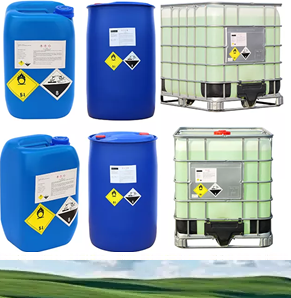
25L Drum |
$2.50 – $4.00 |
| Hydrogen Peroxide (30%) |
20L Carboy |
$3.50 – $5.50 |
| Sodium Hydroxide (30% Sol.) |
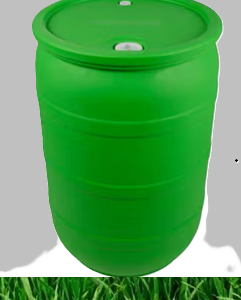
200L Barrel |
$1.80 – $3.00 |
| Hydrochloric Acid (28%) |
25L Jerrycan |
$2.00 – $3.50 |
Note: Prices fluctuate based on market demand and geographical location. For a precise quote tailored to your volume, visit ChemicalsSuppliers.com to connect with our procurement team.
Where to Buy 25%–30% Concentration Chemicals Safely
Finding a reliable supplier is more than just finding the lowest price; it is about purity assurance, safety documentation, and reliable shipping.
Unlike generic marketplaces that aggregate listings from unknown sources, we focus on:
- COA Verification: Every batch of chemicals provided through our network comes with a Certificate of Analysis (COA) specifying the exact percentage of purity.
- Safety Documentation: We provide comprehensive Material Safety Data Sheets (MSDS) to ensure your team is trained on proper handling.
- Global Logistics: Whether you need a 5-liter sample for a lab or a 1,000-liter IBC tank for a production plant, we facilitate the supply chain.
Click here to view our current catalog and request a quote.
Handling and Storage Best Practices
Even at “lower” concentrations like 25–30%, these chemicals are classified as hazardous materials. Proper storage is non-negotiable.
1. Temperature Control
Most liquid chemicals in this concentration range should be stored in a cool, ventilated area away from direct sunlight. High temperatures can lead to evaporation, concentration shifts, or, in the case of Hydrogen Peroxide, dangerous decomposition.
2. Secondary Containment
Always store your bulk chemicals inside secondary containment trays. If a drum leaks, the tray prevents the substance from reacting with floor materials or entering the drainage system.
3. Personal Protective Equipment (PPE)
Never handle these chemicals without:
- Chemical-resistant gloves (Nitrile is often recommended).
- Goggles or a face shield.
- An acid/base resistant lab coat or apron.
- Access to an emergency eyewash station within 10 seconds of the work area.
Comparing Purity Levels: 25% vs. 99%
A common question we receive at ChemicalsSuppliers.com is: “When should I pay extra for 99% purity instead of 25%?”
The answer depends entirely on your process sensitivity:
- Choose 25%–30% when: You are doing bulk reactions, cleaning, titration, or general industrial processing where water content is considered a part of the solvent mix.
- Choose 99%+ when: You are performing high-precision analytical chemistry, sensitive semiconductor manufacturing, or pharmaceutical synthesis where even a 1% trace impurity could ruin the final product.
The Future of Chemical Sourcing: Digital Transformation
The chemical industry is moving away from traditional phone-and-fax ordering toward digital procurement platforms. By using ChemicalsSuppliers.com, you gain the ability to track your shipments, access digital copies of your purity certificates, and automate recurring orders.
This digital shift ensures that you are never left with “dead stock” and that your chemicals are always fresh, effectively maintaining their 25%–30% profile without degradation.
Case Study: Optimizing Industrial Cleaning with 28% Ammonium Hydroxide
One of our clients, a large-scale electronic cleaning facility, was struggling with uneven results when using high-concentration ammonia. They were spending hours manually diluting the product, which led to inconsistent purity levels and safety concerns.
By switching to a supply chain sourced exclusively at the 28% concentration mark through our platform, they:
- Increased efficiency: Removed the dilution step from their workflow.
- Improved quality control: Their cleaning consistency stabilized because the input concentration was now verified by a COA before arrival.
- Reduced costs: By purchasing in bulk at the standardized 28% concentration, they lowered their procurement cost by 15% annually.
Environmental Impact and Handling Waste
When dealing with 25%–30% concentration chemicals, management of waste is critical. These concentrations are still high enough to significantly alter the pH of local water systems if disposed of incorrectly.
- Neutralization: Always ensure you have a neutralization protocol (e.g., using weak bases for acids or weak acids for bases) before considering any disposal, and always adhere to local environmental protection agency (EPA) guidelines.
- Container Recycling: Work with suppliers who offer “Closed-Loop” container systems, where drums and carboys are returned, cleaned, and refilled, rather than ending up in a landfill.
Frequently Asked Questions (FAQs)
1. Does a 30% concentration mean it is 70% water?
Yes, in most aqueous solutions, the remaining percentage is solvent, typically deionized or distilled water. This is why the quality of the water used in the dilution is as important as the chemical itself.
2. Is 25% Hydrogen Peroxide stable?
Hydrogen peroxide at 25–30% is stable if stored in high-density polyethylene (HDPE) containers that are vented. Never store it in metal or glass containers, as these can catalyze rapid decomposition.
3. Can I get a Certificate of Analysis (COA) for every shipment?
Absolutely. At ChemicalsSuppliers.com, we mandate that all chemical shipments include a batch-specific COA. This ensures you know exactly what is inside the drum before you open it.
4. How long do these chemicals last?
Shelf life varies by chemical. Ammonium hydroxide, for example, can be sensitive to thermal exposure. Always check the expiration date provided on the label of your specific container.
Conclusion
Sourcing 25%–30% purity concentration chemicals does not have to be a complex or daunting task. By partnering with a dedicated supplier like ChemicalsSuppliers.com, you ensure that your research or production facility receives safe, verified, and cost-effective raw materials.
We encourage all procurement managers and laboratory directors to review our current inventory and reach out to our support team for a customized consultation regarding your specific chemical needs. Whether you are scaling up or fine-tuning your current process, we provide the purity you need, at the concentration that works for you.
Visit ChemicalsSuppliers.com today to streamline your chemical procurement process.
External Resources for Further Learning
Tags
#ChemicalSupply #25PercentPurity #30PercentConcentration #ChemicalProcurement #IndustrialChemicals #AmmoniumHydroxide #HydrogenPeroxide30 #ChemicalsSuppliers #LaboratoryReagents #BulkChemicals #ChemicalSafety #IndustrialCleaning #ChemicalManufacturing #DirectFromSupplier #HighPurityChemicals #ChemicalLogistics #ChemicalPricing #SafetyDataSheets #COAChemicals #ChemicalQualityControl #ChemicalDilution #ProcurementManagement #ScienceSupplies #HazardousMaterialsHandling #IndustrialSolvents #ChemicalsOnline #GlobalChemicalTrade #ChemicalIndustryTrends #LaboratoryMaterials #ChemicalBulkOrder