Buy Chemicals 15% – 20% Purity Concentration Percentage: The Complete 2026 Buyer’s Guide to Mid-Range Industrial & Technical Grade Chemicals
Introduction
When sourcing industrial chemicals for manufacturing, cleaning, water treatment, laboratory work, or agricultural applications, one of the most important decisions you will make concerns purity concentration percentage. While high-purity chemicals (95%–99.9%) command premium prices and serve specialized pharmaceutical or analytical functions, there exists an enormous global market for chemicals in the 15% to 20% purity concentration range — a sweet spot that balances cost-effectiveness with functional performance. These moderate-concentration chemical solutions, also referred to as diluted industrial-grade chemicals, technical-grade solutions, or ready-to-use (RTU) chemical formulations, are the workhorses of countless industries.
This comprehensive guide explores everything you need to know about buying chemicals at 15% to 20% purity concentration: what they are, why they matter, which specific chemicals are commonly available in this range, what they cost, where to purchase them — including through [chemicalssuppliers.com](https://chemicalssuppliers.com) — and how to make informed procurement decisions that save money without compromising on quality.
Why 15%–20% Concentration Chemicals Matter
The 15%–20% purity range is not arbitrary. It represents a deliberate compromise between efficacy, safety, handling requirements, and economics. Highly concentrated chemicals often require specialized storage, hazardous material (hazmat) shipping protocols, personal protective equipment (PPE), and trained personnel. Diluted formulations in the 15%–20% range reduce many of these burdens while remaining potent enough for most industrial, commercial, and institutional applications.
Consider this: industrial-grade sodium hydroxide (NaOH) at 50% concentration is corrosive, dangerous to handle, and requires significant safety infrastructure. Diluting it to 15%–20% retains its effectiveness for pH adjustment in wastewater treatment, cleaning, and certain manufacturing processes, while dramatically reducing handling risks and shipping costs. Research has shown that industrial-grade activators can be 75%–85% less expensive than laboratory-grade alternatives while still delivering acceptable performance in many applications .
The global hydrochloric acid market alone exceeds 20 million metric tons annually, with pricing ranging from \$150 to \$300 per tonne depending on concentration and grade . A significant portion of this market involves concentrations below 37%, with 15%–20% HCl being particularly popular for applications such as metal pickling, pH control in swimming pools, and concrete cleaning.
Key Chemicals Available at 15%–20% Purity Concentration
Below is a detailed breakdown of the most commonly purchased chemicals in the 15%–20% purity range, including their typical applications and indicative pricing for 2026.
1. Hydrochloric Acid (HCl) — 15% to 20% Technical Grade
Hydrochloric acid at 15%–20% concentration is one of the most widely traded moderate-concentration chemicals in the world. It is used extensively in:
-
Metal cleaning and pickling: Removing rust, scale, and oxidation from steel and iron surfaces before galvanizing or coating.
-
pH adjustment: Lowering pH in swimming pools, industrial wastewater, and cooling towers.
-
Concrete etching and cleaning: Preparing concrete surfaces before sealing or painting.
-
Food processing: In regulated food-grade forms for starch hydrolysis and other processes.
-
Oil well acidizing: Enhancing permeability in carbonate formations.
Indicative Pricing (2026):
| Volume |
Technical Grade 15%–20% HCl |
| 1 Liter |
\$8 – \$18 |
| 1 Gallon (3.78 L) |
\$22 – \$45 |
| 5 Gallons (19 L) |
\$65 – \$120 |
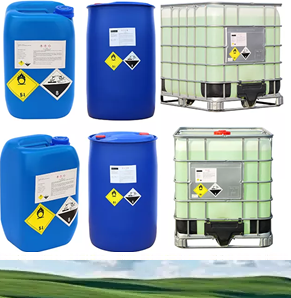
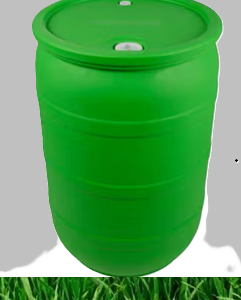
| 55-Gallon Drum (208 L) |
\$280 – \$520 |
| 275-Gallon Tote (1,041 L) |
\$950 – \$1,600 |
| Bulk (per metric ton) |
\$150 – \$300 |
Pricing varies by region, supplier, and current feedstock costs. In China, hydrochloric acid has traded as low as \$15 per metric ton for bulk industrial grades . Technical-grade HCl at 20% from specialty suppliers like Lab Alley retails for approximately \$65 for a 1-liter reagent-grade bottle, with larger volumes offering significant per-unit savings .
2. Sodium Hydroxide (NaOH / Caustic Soda) — 15% to 20% Solution
Caustic soda solution at 15%–20% is a cornerstone chemical for industries ranging from textiles to water treatment. Common uses include:
-
Textile mercerizing: Cotton treatment at 15°C–20°C using 20%–30% NaOH solutions .
-
Soap and detergent manufacturing: Saponification of fats and oils.
-
pH neutralization: Raising pH in acidic wastewater streams.
-
Cleaning and degreasing: Industrial parts washers, drain cleaners, and CIP (clean-in-place) systems in food and beverage plants.
-
Pulp and paper processing: Breaking down lignin in wood chips.
Indicative Pricing (2026):
| Volume |
15%–20% NaOH Solution |
| 1 Gallon |
\$18 – \$35 |
| 5 Gallons |
\$55 – \$100 |
| 55-Gallon Drum |
\$350 – \$650 |
| 275-Gallon Tote |
\$1,100 – \$1,900 |
| Bulk (per dry metric ton basis) |
\$400 – \$700 |
Industrial-grade NaOH solutions at moderate concentrations are substantially more affordable per unit of active ingredient than reagent-grade material. For many applications such as alkaline cleaning and wastewater neutralization, the cost savings of using technical-grade 20% NaOH instead of ACS-grade material can exceed 75% .
3. Sulfuric Acid (H₂SO₄) — 15% to 20% Dilution
Sulfuric acid is the most produced chemical globally by volume, and its diluted 15%–20% forms are essential in:
-
Lead-acid battery electrolyte: Typically 15%–37% concentration for flooded batteries.
-
Metal finishing and anodizing: Type II anodizing of aluminum components.
-
pH control in water treatment: Particularly for alkaline water neutralization.
-
Fertilizer production: Dilute acid for superphosphate manufacturing.
-
Laboratory reagent preparation: Standard dilute acid for titrations and qualitative analysis.
Indicative Pricing (2026):
| Volume |
15%–20% H₂SO₄ |
| 1 Gallon |
\$15 – \$30 |
| 5 Gallons |
\$50 – \$90 |
| 55-Gallon Drum |
\$300 – \$550 |
| Bulk (per metric ton) |
\$100 – \$200 |
Sulfuric acid generally costs less than hydrochloric acid on a per-tonne basis — approximately \$100–\$200 vs \$150–\$300 — though it requires more careful dilution equipment . European spot prices have recently spiked to €400–€500 per ton due to supply constraints, underscoring the importance of locking in supplier relationships .
4. Phosphoric Acid (H₃PO₄) — 15% to 20% Technical & Food Grade
Phosphoric acid at 15%–20% is widely used in both industrial and food-grade contexts:
-
Rust removal and metal treatment: Converting iron oxide (rust) into inert iron phosphate.
-
Food and beverage acidulant: The tangy bite in cola drinks comes from food-grade phosphoric acid.
-
Agricultural fertilizers: Source of phosphorus in NPK blends.
-
Dental cements and etchants: Dilute phosphoric acid for enamel etching.
-
Sugar refining: Clarifying and decolorizing sugar syrups.
Indicative Pricing (2026):
| Volume |
Food Grade 15%–20% |
Technical Grade 15%–20% |
| 1 Gallon |
\$20 – \$40 |
\$14 – \$28 |
| 5 Gallons |
\$70 – \$140 |
\$45 – \$90 |
| 55-Gallon Drum |
\$450 – \$850 |
\$300 – \$550 |
| Bulk (per metric ton, 85% basis) |
\$800 – \$1,100 |
\$600 – \$900 |
The global food-grade phosphoric acid market is estimated at approximately \$3 billion in 2026 and is projected to reach \$4.75 billion by 2035 . Alliance Chemical supplies phosphoric acid from 5% to 85% in both food and technical grades, in volumes ranging from pints to 275-gallon totes .
5. Formalin (Formaldehyde Solution) — 15% to 20%
Formalin at 15%–20% formaldehyde concentration is a critical chemical in healthcare, research, and industrial settings:
-
Tissue fixation and embalming: Standard formalin for histopathology is 10% (which represents approximately 4% formaldehyde gas by weight); 15%–20% solutions provide stronger fixation for dense tissues.
-
Disinfection and fumigation: Broad-spectrum antimicrobial for facilities and equipment.
-
Resin manufacturing: Urea-formaldehyde, phenol-formaldehyde, and melamine resins.
-
Leather tanning: Cross-linking collagen fibers for durable leather.
Fujifilm Wako offers formalin in 10%, 15%, and 20% concentrations precisely because different tissue types require different penetration strengths . In Australia alone, approximately 55,000 tonnes of formaldehyde (as 100% basis) are manufactured annually, much of it sold as formalin solutions .
Indicative Pricing (2026):
| Volume |
15%–20% Formalin Solution |
| 1 Liter |
\$12 – \$25 |
| 1 Gallon |
\$30 – \$60 |
| 5 Gallons |
\$90 – \$170 |
| 55-Gallon Drum |
\$500 – \$950 |
Technical Grade vs. Reagent Grade: Understanding the Purity Spectrum
When shopping for chemicals in the 15%–20% concentration range, you will encounter various purity grades. Understanding these distinctions is essential for both compliance and cost control:
| Grade |
Typical Purity |
Primary Use Case |
Relative Cost |
| **Technical / Commercial Grade** |
90%–98% of specified concentration |
Industrial manufacturing, cleaning, water treatment |
\$ (Baseline) |
| **Food Grade (FCC)** |
≥97%, meets Food Chemicals Codex |
Food & beverage production, processing aids |
\$\$ (1.5–2.5×) |
| **ACS Reagent Grade** |
≥99%, meets ACS specifications |
Analytical chemistry, research, quality control |
\$\$\$ (3–6×) |
| **USP / NF Grade** |
Meets pharmacopeia standards |
Pharmaceutical manufacturing, compounding |
\$\$\$\$ (4–8×) |
| **HPLC / Spectroscopy Grade** |
≥99.9%, ultra-low impurities |
Instrumental analysis, trace metal work |
\$\$\$\$\$ (8–20×) |
For the vast majority of users buying chemicals at 15%–20% concentration, technical grade is the right choice. As one industry expert notes: “For pickling and pH control, technical grade does the same job for half the price” . The key question to ask is: do my impurities matter for this application? If your process does not require trace-metal-free or pharmacopeia-certified material, paying for higher grades is simply unnecessary expense.
Where to Buy Chemicals at 15%–20% Purity Concentration
Your Trusted Source: chemicalssuppliers.com
For businesses and professionals seeking reliable, cost-effective chemicals at 15%–20% concentration, [chemicalssuppliers.com](https://chemicalssuppliers.com) is your premier online destination. Our platform connects buyers with vetted chemical manufacturers and distributors, ensuring competitive pricing, consistent quality, and dependable logistics.
Why choose chemicalssuppliers.com?
-
Verified supplier network: Every supplier on our platform undergoes rigorous vetting for quality management systems, regulatory compliance, and delivery track record.
-
Transparent pricing: Compare quotes from multiple suppliers side by side — no hidden fees, no surprise surcharges.
-
Flexible volume options: From single gallons to full tanker loads, find suppliers who match your scale.
-
Technical documentation: Access certificates of analysis (COA), material safety data sheets (MSDS/SDS), and technical specification sheets directly through the platform.
-
Global coverage with local delivery: Suppliers across North America, Europe, the Middle East, Africa, and Asia-Pacific.
Visit [chemicalssuppliers.com](https://chemicalssuppliers.com) today to request quotes for hydrochloric acid, sodium hydroxide, sulfuric acid, phosphoric acid, formalin, and hundreds of other chemicals at your required concentration.
Other Reputable Online Chemical Suppliers
Beyond our platform, several suppliers offer 15%–20% concentration chemicals with transparent online pricing:
-
[Alliance Chemical](https://alliancechemical.com) offers hydrochloric acid from 5% to 37% in technical and ACS grades, with 20% technical grade HCl starting at approximately \$14.90 for a 1-quart bottle . They also stock phosphoric acid (5%–85%), sulfuric acid, and sodium hydroxide in multiple concentrations.
-
[Lab Alley](https://www.laballey.com) provides bulk industrial, specialty, and lab chemicals with nationwide US shipping. Their 20% hydrochloric acid reagent grade retails at approximately \$65 per liter .
-
[Camachem](https://camachem.com) specializes in bulk industrial chemical exports, including caustic soda, sulfuric acid, and hydrochloric acid for international buyers .
-
[CoreChem](https://corecheminc.com) supplies sodium hydroxide 50% solution (for dilution) and other industrial chemicals with transparent online pricing .
Factors Affecting Pricing of 15%–20% Concentration Chemicals
Understanding the variables that drive chemical pricing helps buyers negotiate better deals and plan procurement budgets effectively.
1. Feedstock Costs and Petrochemical Linkages
Many industrial chemicals are downstream derivatives of petroleum and natural gas. When crude oil prices fluctuate, chemical prices follow with a 1–3 month lag. For example, when linear alkylbenzene (LAB) prices increase by 20%, LABSA prices typically rise 12%–16% as producers consume existing feedstock inventories before passing costs through .
2. Regional Supply-Demand Dynamics
Chemical markets are inherently regional due to high transportation costs relative to product value. In 2026, the European chemical industry has experienced volume declines of 15%–20% compared to prior periods, affecting regional pricing and availability . Conversely, Asian markets — particularly China and India — have maintained robust production, keeping global supply chains relatively balanced.
3. Concentration and Dilution Costs
Interestingly, lower-concentration chemicals sometimes cost more per unit of active ingredient than their concentrated counterparts. This is because dilution requires purified water, mixing equipment, quality control testing, and additional packaging and transportation of the water weight. When comparing quotes, always calculate the cost per kilogram of active ingredient rather than the cost per liter or gallon.
4. Packaging and Logistics
Small-pack chemicals (1 L, 1 gallon) carry enormous per-unit packaging and handling premiums. Moving from 1-gallon containers to 55-gallon drums can reduce your per-unit cost by 40%–60%. Moving to 275-gallon totes or tanker trucks reduces costs by an additional 20%–35%.
5. Regulatory Compliance and Documentation
Chemicals destined for food, pharmaceutical, or drinking water applications require additional certification, traceability, and testing — all of which add cost. A food-grade 20% phosphoric acid may cost 50%–100% more than its technical-grade equivalent.
Safety and Handling Considerations for 15%–20% Concentration Chemicals
While 15%–20% concentration chemicals are significantly safer to handle than their concentrated counterparts, they are by no means harmless. Key safety principles include:
-
Always consult the Safety Data Sheet (SDS) before handling any chemical, regardless of concentration.
-
Use appropriate PPE: Chemical-resistant gloves (nitrile or neoprene), safety goggles, and protective clothing are essential. For acids, a face shield is recommended.
-
Ensure adequate ventilation: Many chemicals at 15%–20% still release vapors that can irritate respiratory systems.
-
Store properly: Keep acids away from bases, oxidizers away from organics. Use secondary containment for all liquid chemical storage.
-
Have spill response materials ready: Acid neutralizers, absorbent pads, and spill containment berms should be accessible wherever chemicals are stored or used.
-
Train personnel: Anyone handling chemicals should understand the hazards, proper procedures, and emergency responses specific to each chemical.
Hydrochloric acid at 15%–20%, for example, still emits hydrogen chloride gas, is corrosive to most metals, and can cause severe eye and skin burns. Sodium hydroxide at 20% is still strongly alkaline and can cause chemical burns — particularly dangerous to eyes. Treat all chemicals with respect regardless of concentration.
Applications Across Industries: Who Buys 15%–20% Chemicals?
Water and Wastewater Treatment
Municipal and industrial water treatment facilities are among the largest consumers of 15%–20% concentration chemicals. Sodium hydroxide at 20% raises pH after acid treatment steps; sulfuric acid at 15%–20% neutralizes alkaline wastewater; and hydrochloric acid at 15% regenerates ion exchange resins. The predictable dosing characteristics of moderate-concentration chemicals make them ideal for automated treatment systems.
Metal Finishing and Surface Preparation
From automotive manufacturing to architectural metalwork, 15%–20% acids remove scale, rust, and mill coatings from metal surfaces. Phosphoric acid at 15%–20% is particularly valued for rust conversion — it chemically transforms iron oxide into a stable iron phosphate coating that primes the surface for painting.
Food and Beverage Manufacturing
Food-grade phosphoric acid at 15%–20% acidifies carbonated beverages. Dilute hydrochloric acid and sodium hydroxide solutions are used in CIP (clean-in-place) systems throughout dairy, brewery, and processed food facilities. The moderate concentrations balance cleaning efficacy with material compatibility for stainless steel equipment.
Textile Manufacturing
The textile industry relies on 20% sodium hydroxide for cotton mercerizing — a process that increases fiber strength, dye uptake, and luster. This specific concentration range, combined with controlled temperatures of 15°C–20°C, achieves optimal fiber swelling without degradation .
Agriculture and Fertilizer Production
Dilute sulfuric and phosphoric acids are used in the manufacture of phosphate fertilizers. Moderate-concentration phosphoric acid also serves as a direct soil amendment in drip irrigation systems for pH management and phosphorus nutrition.
Healthcare and Life Sciences
Formalin at 15%–20% formaldehyde concentration provides enhanced tissue fixation for dense or fatty specimens in histopathology laboratories. Higher-concentration formalin penetrates tissue more rapidly, which is valuable when processing time is limited .
How to Calculate the True Cost of Your Chemical Purchase
Smart chemical procurement goes beyond comparing price-per-gallon. Use this framework to evaluate total cost of ownership:
Step 1: Calculate Active Ingredient Cost
For a 20% sodium hydroxide solution priced at \$25/gallon, the cost per kilogram of active NaOH is:
> \$25 ÷ (3.78 kg × 0.20) = \$33.07 per kg NaOH
Compare this against a 50% solution priced at \$55/gallon:
> \$55 ÷ (3.78 kg × 0.50) = \$29.10 per kg NaOH
Even though the 50% solution costs more per gallon, it delivers NaOH at a lower cost per active kilogram.
Step 2: Factor in Handling and Dilution Costs
If you need 20% NaOH for your process but purchase 50% and dilute on-site, account for:
-
Cost of purified/deionized water
-
Mixing tank and equipment amortization
-
Labor time for dilution
-
Quality control testing of diluted product
-
Additional safety infrastructure for handling concentrated chemicals
Often, the convenience and safety of purchasing pre-diluted 20% chemicals outweigh the marginal savings of buying concentrate and diluting.
Step 3: Include Freight and Logistics
Water is heavy. A 275-gallon tote of 20% HCl contains approximately 220 kg of HCl and over 1,000 kg of water. Shipping water across the country — or across an ocean — is expensive. Whenever possible, source moderate-concentration chemicals from regional suppliers to minimize freight costs.
Step 4: Consider Inventory and Shelf Life
Most 15%–20% chemical solutions have excellent shelf stability when stored properly. However, some formulations (particularly formalin) may polymerize or degrade over time. Order quantities that match your consumption rate to avoid waste.
Why Choose chemicalssuppliers.com for Your Chemical Procurement
In an increasingly fragmented chemical supply market, [chemicalssuppliers.com](https://chemicalssuppliers.com) stands out as a unified procurement platform designed for buyers who need reliability, transparency, and competitive pricing. Here is what sets us apart:
-
Multi-supplier quoting: Submit one request and receive competitive quotes from multiple pre-vetted suppliers — saving hours of outreach and negotiation.
-
Quality assurance: Every supplier on our platform maintains current certifications (ISO 9001, GMP, NSF, or equivalent) and provides COA documentation with every shipment.
-
Concentration flexibility: Need 17% HCl instead of 15% or 20%? Our suppliers accommodate custom concentration requests for qualifying order volumes.
-
Logistics coordination: From LTL (less-than-truckload) shipments to full tanker deliveries, we help coordinate the most cost-effective transportation.
-
Dedicated account management: Enterprise buyers receive personalized support for contract pricing, scheduled deliveries, and technical consultation.
Whether you need a single 55-gallon drum of 20% sodium hydroxide for a pilot project or truckload quantities of 15% hydrochloric acid for ongoing operations, [chemicalssuppliers.com](https://chemicalssuppliers.com) is your single point of contact for quality chemicals at fair prices.
Frequently Asked Questions
Q: Is 15%–20% purity considered “high purity”?
A: No. In the chemical industry, “high purity” generally refers to concentrations above 99%. The 15%–20% range represents moderate-concentration solutions — typically technical or commercial grade — that are fit for industrial, cleaning, water treatment, and many manufacturing applications but not suitable for analytical chemistry or pharmaceutical synthesis without further purification.
Q: Can I use 20% hydrochloric acid instead of 37% for metal pickling?
A: Yes. While 37% HCl works faster, 20% is commonly used and often preferred because it generates fewer fumes, reduces the risk of over-etching, and is safer to handle. Many pickling operations deliberately select 15%–20% HCl for these reasons.
Q: How should I store 15%–20% concentration chemicals?
A: Store in compatible containers (HDPE for most acids and bases, away from incompatible materials), at moderate temperatures (10°C–30°C), in well-ventilated areas, with secondary containment. Always consult the product-specific SDS for detailed storage requirements.
Q: Does chemicalssuppliers.com ship internationally?
A: Yes, our supplier network includes exporters who ship worldwide. Shipping regulations for hazardous chemicals vary by destination country and transport mode (air, sea, road). Contact our team for country-specific shipping guidance.
Q: Are prices on chemicalssuppliers.com negotiable for large volumes?
A: Absolutely. For drum, tote, and bulk quantities, our suppliers welcome negotiations. The platform facilitates direct communication between buyers and suppliers to arrive at mutually beneficial pricing.
Conclusion
Chemicals at 15%–20% purity concentration represent the optimal balance of performance, safety, and cost for a vast range of industrial, commercial, and institutional applications. From hydrochloric acid for concrete etching to sodium hydroxide for wastewater neutralization, from sulfuric acid for battery electrolyte to phosphoric acid for rust conversion, these moderate-concentration solutions are indispensable across global supply chains.
The key to successful procurement lies in understanding your application requirements, calculating total cost of ownership (not just purchase price), selecting the appropriate purity grade, and partnering with reliable suppliers. Whether you are a small business buying a few gallons per month or a multinational manufacturer consuming tanker loads daily, [chemicalssuppliers.com](https://chemicalssuppliers.com) provides the platform, supplier network, and procurement tools to meet your chemical needs efficiently and cost-effectively.
Ready to buy? Visit [chemicalssuppliers.com](https://chemicalssuppliers.com) today to browse available chemicals, request quotes, and connect with trusted suppliers worldwide.
Keyword Tags
buy chemicals 15% purity, buy chemicals 20% purity, chemicals 15-20% concentration, industrial chemicals moderate concentration, technical grade chemicals 15%, technical grade chemicals 20%, diluted industrial chemicals for sale, mid-range purity chemicals, buy hydrochloric acid 15%, buy hydrochloric acid 20%, buy sodium hydroxide 15%, buy sodium hydroxide 20%, caustic soda 20% solution price, buy sulfuric acid 15%, buy sulfuric acid 20%, phosphoric acid 15% food grade, phosphoric acid 20% technical grade, formalin 15% for sale, formalin 20% price, formaldehyde solution 20%, chemical suppliers online, bulk industrial chemicals, buy chemicals online, chemical marketplace, wholesale chemicals supplier, industrial chemical procurement, chemical pricing 2026, ready-to-use chemical solutions, RTU chemicals, moderate concentration acid, diluted acid for industry, chemical concentration guide, technical vs reagent grade chemicals, where to buy industrial chemicals, chemical supplier platform, chemicalssuppliers.com, chemical sourcing, industrial cleaning chemicals, water treatment chemicals 20%, metal pickling acid 15%, rust removal phosphoric acid, pH adjustment chemicals, chemical procurement best practices, bulk chemical pricing, chemical logistics and shipping, chemical total cost of ownership