99% – 99.5% High-Purity Chemicals: Standards, Applications, and Sourcing
When you see a label specifying 99% – 99.5% chemical purity concentration, you are looking at the gold standard for high-grade reagents and industrial raw materials.
At ChemicalsSuppliers.com, we understand that high-precision industries cannot afford the risks associated with impurities. Whether you are dealing with trace metal contamination or unwanted organic byproducts, the delta between 99% and 99.5% can define the safety, efficacy, and shelf-life of your final product.
In this comprehensive guide, we will explore why 99% – 99.5% purity is the “sweet spot” for most global industries, how to verify these concentrations, and why sourcing from a trusted supplier is your most critical procurement step.
What Does 99% – 99.5% Purity Actually Mean?
In chemistry, purity refers to the extent to which a substance is free from foreign particles, isomers, or contaminants. When a chemical is rated at 99% to 99.5% purity, it means that for every 100 grams of the substance, between 0.5 and 1.0 grams consist of impurities.
While that may sound like a negligible amount, in high-stakes fields like semiconductor manufacturing or intravenous drug compounding, those trace parts-per-million (PPM) of impurities can be reactive or toxic.
The Nuances of Grade Classification
- Technical Grade: Often 95%–98%. Suitable for non-critical industrial cleaning or bulk manufacturing.
- ACS (American Chemical Society) Reagent Grade: Usually ≥99% purity. Meets the strict standards for analytical testing.
- HPLC Grade: Often >99.9%. High-performance liquid chromatography requires near-total freedom from UV-absorbing impurities.
By focusing on the 99% – 99.5% range, we are addressing the “Industrial High-Grade” sector—the backbone of global manufacturing.
Key Industries Requiring 99% – 99.5% Purity
1. Pharmaceutical Manufacturing
The production of Active Pharmaceutical Ingredients (APIs) requires rigorous purity profiles. An impurity profile of even 0.6% can trigger regulatory scrutiny from agencies like the FDA or EMA. Chemicals used as synthesizers (solvents, catalysts, reagents) must maintain a consistent 99.5% purity to ensure the final medication is safe for patient consumption.
2. Semiconductor and Microelectronics
In the world of microchips, the presence of metal ions (like iron, sodium, or calcium) at even 0.1% can cause short circuits on a nano-scale level. Electronic-grade chemicals often push past 99.5% into the 99.999% “ultrapure” range, but 99% – 99.5% is the common starting point for preliminary cleaning and etching processes.
3. Specialty Chemical Synthesis
Catalysts, organic solvents, and specialty monomers used in polymer research require high purity to ensure consistent chain lengths and molecular weight distributions. A fluctuation in purity (e.g., dropping from 99.5% to 98%) can result in an entire batch of plastic failing its structural integrity tests.
Common Examples of Chemicals in the 99% – 99.5% Purity Tier
At ChemicalsSuppliers.com, we handle a vast inventory. Below are some of the most frequently requested substances that demand this high purity concentration.
A. Dimethyl Sulfoxide (DMSO)
- Common Purity: 99.9% (often marketed as 99.5%+).
- Usage: A vital polar aprotic solvent. In organic synthesis, 99.5% DMSO is favored for its stability and low toxicity compared to other solvents.
- Price Range: $30–$80 per liter depending on volume and laboratory vs. industrial grade.
B. Isopropyl Alcohol (IPA)
- Common Purity: 99.5% Anhydrous.
- Usage: Used in electronics cleaning and as a sanitizing agent. The “anhydrous” nature (water-free) is what pushes it into the 99.5% bracket.
- Price Range: $10–$25 per gallon.
C. Sodium Hydroxide (Caustic Soda)
- Common Purity: 99% Flakes/Pellets.
- Usage: Crucial for pH regulation, pulp and paper production, and soap making. High-purity NaOH is essential to prevent metallic iron contamination in the soap base.
- Price Range: $2–$6 per kg (bulk pricing available).
D. Glacial Acetic Acid
- Common Purity: 99.8%.
- Usage: Synthetic chemistry reagent. It must be near 100% to prevent water-induced side reactions.
- Price Range: $15–$40 per liter.
Why Source from ChemicalsSuppliers.com?
Procuring high-purity chemicals is not merely about finding the lowest price; it is about supply chain integrity. Many online distributors offer “reagent grade” labels that lack third-party verification.
When you choose to shop with us at ChemicalsSuppliers.com, you benefit from:
- Certificate of Analysis (COA): Every product in our 99% – 99.5% category comes with a documented COA detailing impurity profiles.
- Strict Storage Standards: Chemicals of this purity are often sensitive to humidity, light, or temperature. Our climate-controlled warehousing ensures the purity of the product at the time of delivery.
- Scalable Logistics: Whether you need a 500ml lab sample or a 1,000-liter drum, we provide consistent quality across all order sizes.
- Transparent Pricing: We believe in market-competitive rates. While high-purity chemicals command a premium over industrial-grade variants, we strive to cut out the “bloated distributor” middleman prices.
Price Analysis and Market Trends for 2024-2025
The pricing of 99.5% purity chemicals is influenced by several factors:
- Synthesis Cost: Increasing the purity from 98% to 99.5% often requires complex purification steps (like multi-stage distillation or recrystallization), which significantly drives up the energy costs of production.
- Supply Chain Resilience: Energy costs, transportation, and chemical raw material availability are causing price fluctuations.
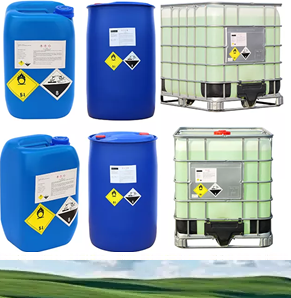
- Bulk Savings: Buying in bulk (drums or IBC totes) can reduce your unit cost by 30-50% compared to small bottle purchases.
Visit our pricing inquiry page to get a customized quote for your specific industrial requirements.
How to Verify Purity: A Technical Primer
If you are a laboratory manager or a procurement specialist, you should know how to verify the chemicals you receive. The most common methods include:
- Gas Chromatography (GC): Excellent for volatile organic compounds and solvents.
- High-Performance Liquid Chromatography (HPLC): The industry standard for checking the purity of non-volatile reagents.
- Inductively Coupled Plasma (ICP-MS): Used to identify trace metal contaminants in the parts-per-billion (PPB) range.
- FTIR Spectroscopy: A quick way to verify the identity of the chemical and ensure there are no major organic functional group impurities.
If your supplier cannot provide a COA from one of these methods, you should be wary of their purity claims. At ChemicalsSuppliers.com, we maintain full traceability from the manufacturing plant to your loading dock.
Safety and Handling of High-Purity Chemicals
Handling chemicals with 99% – 99.5% purity concentration requires heightened safety protocols:
- Reactivity: High-purity substances are often more reactive because they lack the stabilizing “buffers” found in lower-grade chemicals. Always consult the SDS (Safety Data Sheet).
- Contamination Risks: High-purity chemicals are highly susceptible to contamination. Always use clean, dry instruments (spatulas/pipettes) and store them in airtight, light-resistant containers.
- PPE Requirements: High-purity acids, bases, and solvents can cause severe chemical burns. Utilize appropriate nitrile gloves, vapor masks, and splash-proof goggles at all times.
Where to Buy: Your Trusted Procurement Partner
When searching for “high purity chemical suppliers online,” you will encounter thousands of results. Many are drop-shippers with no technical expertise.
ChemicalsSuppliers.com is established as a direct-to-industry partner. We bridge the gap between global manufacturers and the end-users who require high-consistency products.
How to place an order:
- Browse our catalog: Visit ChemicalsSuppliers.com to see our full list of reagents and industrial chemicals.
- Consult our experts: If you are unsure about the purity grade required for your specific application, contact our technical support team.
- Request a Quote: For bulk inquiries, use our contact portal to receive a competitive pricing breakdown.
- Secure Shipping: We offer specialized shipping for hazardous materials (HAZMAT) to ensure your chemicals arrive safely and in compliance with local regulations.
Future Outlook: The Demand for 99.5%+ Purity
As the global economy moves toward higher technology, the demand for 99.5% purity and beyond is only going to increase. From the development of next-generation batteries (Lithium-ion electrolyte additives) to the expansion of green hydrogen (catalyst purity), the need for ultra-clean inputs is the foundation of innovation.
At ChemicalsSuppliers.com, we are continually updating our inventory to meet these modern demands. We are committed to remaining your primary resource for high-purity chemical sourcing.
Frequently Asked Questions (FAQ)
What is the difference between 99% and 99.9% purity?
While it seems small, the difference is a factor of 10 in terms of impurity concentration. For many chemical processes, 99.9% is significantly more stable and predictable than 99%.
Are your chemicals certified?
Yes, we provide Certificates of Analysis (COA) for all our high-purity stock. These detail the exact concentration and any detectable impurities.
Can you provide custom purity levels?
If your industry requires a custom purity grade (e.g., 99.7% with specific trace-metal limits), please reach out to our team at ChemicalsSuppliers.com. We can often source or synthesize custom lots through our network of global partners.
How do I store high-purity chemicals?
Storage is vital. Keep chemicals in a cool, dry place, typically in amber glass or high-density polyethylene (HDPE) containers. Always ensure the cap is tightened to prevent oxidation or moisture absorption.
Conclusion
Choosing a chemical supplier is about more than just matching a price on a spreadsheet. It is about building a partnership with a company that understands the critical nature of purity. By choosing 99% – 99.5% purity chemicals, you are investing in the stability and reproducibility of your own outputs.
Don’t gamble with the quality of your raw materials. Whether you are in pharmaceuticals, electronics, or industrial synthesis, ensure your supply chain is reliable by visiting ChemicalsSuppliers.com. Our commitment to the highest standards ensures that when you order, you get exactly what is stated on the label.
Take the next step in your procurement process today. Visit our website to view our full catalog and start your quote.
Key Tags
- Chemical Tags: #HighPurityChemicals #ChemicalPurity #99PercentPurity #IndustrialChemicals #LabReagents #AnalyticalGrade #ChemicalProcurement #ChemicalSupplyChain #HighGradeSolvents #ChemicalDistribution #ReagentSupply #ChemicalManufacturing #LaboratoryPurity #IndustrialSupply #ChemicalSafety #PurityStandards #PharmaceuticalChemicals #ChemicalsSuppliers #ChemicalPrices #WholesaleChemicals #ChemicalAnalysis #COAChemicals #OrganicChemistry #InorganicReagents #ChemicalGrade #LaboratoryEquipment #ProcurementManagement #ChemicalIndustryTrends #AdvancedMaterials #ResearchChemicals #ChemicalSourcing