High-Purity Chemicals: The 95% – 99% Concentration Benchmark
In the intricate world of industrial manufacturing, laboratory research, and pharmaceutical development, the difference between success and failure often boils down to a single question: How pure is your chemical?
When professionals search for “high-purity reagents,” “99% concentration chemical substances,” or “analytical grade solvents,” they are navigating a landscape where precision is non-negotiable. At ChemicalsSuppliers.com, we recognize that achieving a purity level of 95% to 99% is the gold standard for most commercial and scientific applications. Whether you are scaling up a production line or conducting sensitive analytical tests, understanding why these concentration percentages matter is the first step toward excellence.
What Does 95% – 99% Chemical Purity Actually Mean?
Chemical purity refers to the absence of extraneous substances in a given chemical sample. When a chemical is labeled as 95% to 99% pure, it means that by mass, 95% to 99% of the container’s contents consist of the intended compound, while the remaining 1% to 5% consists of impurities—such as water, reaction byproducts, or trace catalysts.
The Importance of the “Purity Gap”
Why not 100%? In practical chemistry, absolute 100% purity is virtually impossible to achieve and prohibitively expensive to maintain. The “purity gap” (the 1% to 5% of impurities) is where most complications arise. In pharmaceutical synthesis, even a 0.5% impurity can render a batch unusable or, worse, hazardous. Conversely, for heavy industrial cleaning or bulk manufacturing, a 95% concentration might be perfectly adequate and significantly more cost-effective.
Categories of High-Purity Chemicals
To understand where these chemicals fit into your workflow, we categorize them by their concentration and intended use:
1. Technical/Industrial Grade (95% – 97%)
These are the workhorses of the industry. They are used in processes where trace impurities do not interfere with the final product quality.
- Applications: Industrial solvent cleaning, large-scale synthesis, agricultural formulations.
- Cost Effectiveness: Because the purification process is less rigorous, these are often the most affordable options found at ChemicalsSuppliers.com.
2. Reagent Grade (98% – 99%)
This is the standard for most laboratories and academic research. These chemicals are manufactured to ensure that impurities do not skew experimental data.
- Applications: Analytical chemistry, standard testing, quality control metrics.
Examples of Chemicals at 95% – 99% Purity
At ChemicalsSuppliers.com, we maintain a vast inventory of high-purity substances. Below are some of our most requested items:
A. High-Purity Solvents (Acetone, Ethanol, Methanol)
Solvents are the backbone of chemical synthesis. High-purity acetone (99%+) is critical for removing contaminants from glass apparatuses without leaving residues.
- Approximate Price Range: $15–$45 per liter (depending on volume and industry specifications).
B. Analytical Grade Acids (Sulfuric, Hydrochloric, Nitric)
Often maintained at 95%-98% concentration, these are essential for digestion and titration procedures.
- Note: Handling these requires specific safety protocols. Refer to your MSDS (Material Safety Data Sheet) before usage.
C. Fine Chemical Intermediates
Intermediate chemical compounds used in the creation of polymers and life sciences products are generally kept at 99% purity to ensure reactant yield.
Pricing Structures: How Purity Influences Cost
Many customers ask: “Why does a 2% jump in purity often double the price?”
The answer lies in the purification lifecycle. Taking a solution from 95% to 99.9% requires advanced methods such as:
- Fractional Distillation: Repeated cycles to isolate the substance.
- Recrystallization: Removing trace impurities through temperature-controlled cooling.
- Chromatographic Purification: High-pressure techniques used for ultra-high purity.
Each step consumes energy, time, and raw materials, all of which are reflected in the final retail price. You can view our current live pricing and bulk discount tiers when you visit our product catalog.
Where to Buy High-Purity Chemicals
Finding a reliable supplier is about more than just finding the lowest price; it is about supply chain reliability, chemical certification (COA – Certificate of Analysis), and secure logistics.
Why Choose Chemicalssuppliers.com?
- Quality Assurance: Every batch at ChemicalsSuppliers.com is tested for its specific concentration percentage before shipment.
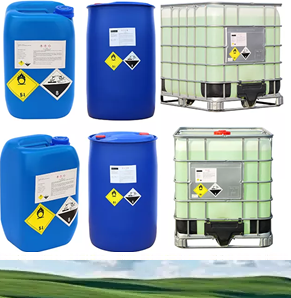
- Global Logistics: Whether you require domestic shipping or international distribution, our supply chain is designed to handle hazardous materials safely.
- Certification: We provide comprehensive COAs, ensuring you know exactly what is in your container.
Start your search for high-purity chemicals here.
Best Practices for Storing High-Purity Chemicals
Maintaining the 99% purity of a chemical does not stop once it arrives at your facility. Improper storage can lead to degradation, absorption of moisture (hygroscopy), or oxidation.
- Temperature Control: Many 99% reagents should be stored at controlled room temperature or under refrigeration. Check the container label.
- Inert Atmosphere: For sensitive compounds, we recommend using nitrogen or argon blanketing to prevent oxidation.
- Sealing: Always ensure the cap is tightly secured. Even microscopic gaps can allow atmospheric moisture to lower the concentration of anhydrous chemicals.
The Role of the Certificate of Analysis (COA)
When ordering from ChemicalsSuppliers.com, always review the Certificate of Analysis (COA). This document provides a breakdown of the specific impurities found in your batch.
For instance, if you are buying 99% purity Benzene, the COA will tell you exactly what constitutes the remaining 1%. This allows researchers to account for potential side effects during their experimental processes.
Sustainability in Chemical Manufacturing
With the rise of “Green Chemistry,” the demand for high-purity solvents that can be recycled or sustainably sourced is growing. We are committed to offering high-purity chemicals that align with global environmental standards. By choosing a supplier that prioritizes efficient purification processes, you are also reducing the carbon footprint of your own laboratory or production line.
Frequently Asked Questions (FAQs)
What is the difference between 99% purity and Analytical Grade?
Often, “99% pure” is simply a measurement of concentration, whereas “Analytical Grade” implies that the manufacturer has also verified limits on trace heavy metals and other contaminants. Always look at the spec sheet.
Can I buy wholesale quantities at higher purity?
Absolutely. ChemicalsSuppliers.com offers competitive pricing for bulk procurement. Please contact our sales department for volume-based quotes.
How do I ensure my chemicals stay at 99% concentration?
Keep them in airtight, dark containers away from direct sunlight. High-purity substances are often highly reactive when exposed to UV light or air.
Conclusion
Choosing chemicals with 95% to 99% purity concentration is a strategic decision that balances physical performance with budgetary requirements. By leveraging the inventory and quality control standards at ChemicalsSuppliers.com, you ensure that your research and production remain consistent, reliable, and effective.
Remember: In chemistry, quality isn’t just a goal—it’s the foundation of your success. Explore our extensive range of high-purity reagents and technical-grade solvents today to see how we can fuel your next project.
Visit ChemicalsSuppliers.com to view our catalog and request a quote.
External Resources for Further Learning
Keywords: #ChemicalPurity #HighPurityChemicals #ChemicalSupply #99PercentConcentration #LaboratoryReagents #IndustrialChemicals #ChemicalsSuppliers #AnalyticalChemistry #FineChemicals #Solvents #ChemicalManufacturing #ResearchChemicals #BulkChemicals #MaterialSafety #QualityControl #ChemicalDistributor #ScientificEquipment #ChemistryLab #LabSupplies #ChemicalGrade #PurityLevels #ChemicalProcurement #RawMaterials #OrganicChemistry #InorganicChemistry #GlobalChemicalSupply