95% – 98% Chemical Purity: A Guide for Industrial and Laboratory Excellence
In the world of scientific research, pharmaceutical manufacturing, and industrial engineering, the quality of your raw materials dictates the success of your final output. Whether you are creating a complex organic synthesis, managing a water treatment facility, or developing advanced aerospace coatings, the chemical purity concentration percentage is the most critical metric you will encounter.
At ChemicalsSuppliers.com, we recognize that when your protocols demand high-grade reagents, “close enough” is never an option. Achieving a 95% to 98% purity level represents the “sweet spot” for many industrial and high-end laboratory applications. It balances cost-effectiveness with high-performance standards, ensuring that impurities remain below the threshold required to interfere with sensitive chemical reactions.
In this exhaustive guide, we will dive deep into the chemistry of high-purity substances, explore why the 95–98% range is the industry standard for specific applications, and discuss how you can source these premium materials with confidence.
What Does 95% – 98% Chemical Purity Actually Mean?
When a supplier lists a chemical as having a purity of 95% to 98%, they are indicating the weight-to-weight (w/w) or weight-to-volume (w/v) percentage of the active analyte within the substance. The remaining 2% to 5% consists of “impurities.”
Understanding the Impurities
It is a common misconception that all impurities are dangerous. In the world of high-purity chemical manufacturing, impurities fall into three categories:
- Inert Diluents: These are non-reactive substances (often water or trace solvents) added to stabilize the chemical.
- Related Substances: By-products created during the synthesis process that are chemically similar to the main compound.
- Contaminants: Unwanted trace elements (like heavy metals or unwanted ions) that must be strictly monitored, especially in pharmaceutical or food-grade applications.
By maintaining a purity level of 95–98%, manufacturers ensure that the active component is potent enough to drive consistent reactions while keeping the secondary materials at levels that are predictable and easily filtered or accounted for in stoichiometric calculations.
Why Choose 95% – 98% Concentration?
There is a natural inclination to assume that 99.9% (ACS grade or Ultra-pure) is always better. However, from a process engineering perspective, this is often a fallacy.
1. Cost Optimization
The jump from 98% to 99.99% purity often triples or quadruples the price due to the intensive purification processes required (such as multiple-stage recrystallization, zone refining, or HPLC prep). For industrial-scale applications, using 99.99% purity reagents is often an unnecessary expenditure that does not provide a commensurate increase in product quality.
2. Stability and Handling
Some chemicals, when pushed to ultra-high purity, become unstable or hygroscopic (they absorb moisture from the air). By utilizing a 95–98% concentration, the presence of a stabilizer or a minor inert component can actually keep the chemical in a more manageable, shelf-stable state.
3. Workflow Efficiency
If your analytical equipment or industrial process has a detection limit or a reaction tolerance of 5%, paying extra for 99.9% purity provides zero marginal benefit in outcome. The 95–98% range provides the exact level of accuracy required for high-yield industrial outputs.
Examples of Chemicals Frequently Sourced at 95%-98% Purity
At ChemicalsSuppliers.com, we serve a diverse range of industries. Below are some of the most requested chemicals that consistently move in the 95–98% concentration bracket:
1. Ethanol (Denatured or Industrial Grade)
- Applications: Solvent for extraction, disinfectant, and feedstock for chemical synthesis.
- Why 95-98%? Most industrial processes require the removal of water. 95% is the azeotropic point for ethanol, making it the most practical concentration for heavy-duty cleaning and extraction.
2. Sodium Hydroxide (Caustic Soda)
- Applications: pH regulation, soap manufacturing, and paper production.
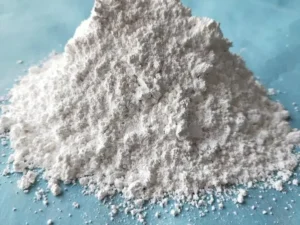
- Why 95-98%? Solid NaOH pellets are highly hygroscopic. A 95-98% pellet provides a balance of concentration and ease of handling for bulk titration or neutralization tasks.
3. Citric Acid (Anhydrous)
- Applications: Food additive, scale remover, and pH adjuster in cosmetics.
- Why 95-98%? This level ensures the acid is potent enough for effective chelation without the extreme cost of pharmaceutical-grade anhydrous crystalline powders.
4. Sulfuric Acid (Technical Grade)
- Applications: Battery electrolyte, mineral processing, and laboratory reagent.
- Why 95-98%? Concentrated sulfuric acid is naturally stable at approximately 98% concentration. Pushing it further requires extreme processing, which is unnecessary for most industrial applications.
Pricing Overview: Factors Influencing Cost
Pricing in the chemical industry is fluid and depends on several variables. Because we deal with international logistics and bulk procurement, ChemicalsSuppliers.com works to maintain competitive pricing.
- Market Volatility: The cost of raw feedstocks (petrochemicals, minerals) impacts the final price.
- Batch Purity Analysis: Every certificate of analysis (COA) adds value. Chemicals verified at 98% through GC-MS or HPLC testing command a higher price than those with simple titrimetric verification.
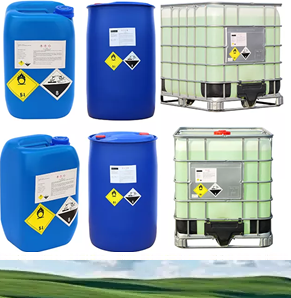
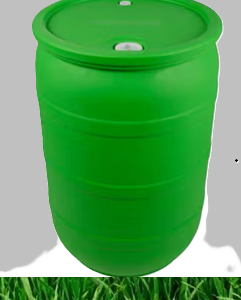
- Packaging Volumes: Purchasing in 200L drums or 1000L IBC totes will significantly lower the cost per kilogram compared to 1L or 5L laboratory bottles.
Note: For live pricing on specific high-purity chemicals, visit our Product Catalog.
Where to Buy Quality-Assured Chemicals
Selecting a reliable supplier is as important as the purity of the chemical itself. You need a partner that ensures:
- Traceability: Every batch should be labeled with a lot number and a Certificate of Analysis (COA).
- Logistical Expertise: Chemicals are hazardous materials (HazMat). They require specialized packaging and certified transport.
- Transparency: You should never have to guess the purity concentration of the chemicals you are putting into your production line.
Why Choose ChemicalsSuppliers.com?
We bridge the gap between high-volume manufacturers and researchers who require precise specifications. By visiting ChemicalsSuppliers.com, you gain access to:
- Verified Purity: We strictly audit our suppliers to ensure the 95-98% label is accurate.
- Global Distribution: Efficient shipping to facilities worldwide.
- Custom Sourcing: If you require a specific purity grade that is hard to find, our procurement team specializes in locating hard-to-source technical compounds.
Best Practices for Storing High-Purity Chemicals
Once your 95–98% purity chemicals arrive, maintenance of that purity is your responsibility. Over time, environmental factors can degrade your stock.
- Temperature Control: Many organic chemicals require storage in cool, dark environments to prevent degradation and polymerization.
- Moisture Prevention: For chemicals that are hygroscopic, use desiccants or nitrogen blanketing for the headspace of the container.
- Segregation: Ensure that incompatible chemicals (e.g., strong acids and strong bases) are not stored in the same containment area to prevent accidental reactions in case of a leak.
- Inventory Rotation: Practice “First-In, First-Out” (FIFO) to ensure chemicals do not exceed their shelf life while sitting in your warehouse.
The Role of Analytical Chemistry in Purity Verification
How do we know a chemical is 98% pure? The industry relies on several sophisticated analytical techniques. Understanding these can help you better interpret the Certificate of Analysis (COA) provided by providers like ChemicalsSuppliers.com.
Gas Chromatography (GC)
Used primarily for volatile organic compounds. GC separates components based on their volatility and interaction with a stationary phase, providing a high-resolution map of the chemical composition and any secondary impurities.
High-Performance Liquid Chromatography (HPLC)
The gold standard for non-volatile organic compounds. HPLC allows for the detection of trace impurities, ensuring that the 95–98% claim is mathematically validated against known standards.
Titration
For inorganic compounds like acids and bases, volumetric titration remains the most reliable method for determining the concentration of the active substance in solution.
Ensuring Safety and Compliance
When working with chemicals at 95–98% concentration, the physical hazards are often higher than with diluted versions.
- Read the SDS: Every chemical must be accompanied by a Safety Data Sheet. This document outlines handling, PPE (Personal Protective Equipment), and emergency response steps.
- Exposure Routes: High-purity reagents can be highly corrosive or toxic. Always utilize fume hoods, nitrile or butyl gloves, and chemical-resistant eyewear.
- Regulatory Compliance: Ensure that your storage and usage comply with local environmental and safety regulations (such as REACH in Europe, OSHA in the U.S., or local health and safety boards).
Future Trends in Chemical Purity
The industry is moving toward “Smart Purity.” This involves the integration of RFID tags on chemical containers that communicate with laboratory inventory management systems. As you use the chemical, the system tracks the remaining volume and flags any deviations in purity resulting from environmental exposure.
At ChemicalsSuppliers.com, we are at the forefront of this digital transition, ensuring that our customers in both the R&D and manufacturing sectors benefit from the latest improvements in supply chain transparency.
Frequently Asked Questions (FAQs)
Q: Can I use 98% purity chemicals for all laboratory experiments?
A: While 98% is high quality, some ultra-sensitive analytical experiments (such as Trace Element Analysis) may require 99.999% purity (Electronic Grade or Suprapur). Always check your protocol.
Q: Does “95% purity” mean the rest is water?
A: Not necessarily. It could be water, but it could also be a solvent, a reaction byproduct, or a stabilizer. Check the SDS or the COA for a breakdown of the remaining 5%.
Q: How do I request a quote for bulk quantities?
A: You can visit our Quick Quote portal to specify the chemical, the desired purity, the quantity, and your location for a tailored freight and supply estimate.
Q: Are there shipping restrictions for high-purity chemicals?
A: Yes, many high-concentration chemicals are classified as Dangerous Goods (DG). We ensure all shipments are compliant with IATA and IMO shipping regulations.
Conclusion: Partnering with ChemicalsSuppliers.com
Choosing the right purity level is a strategic business decision. By selecting 95–98% chemical purity, you are choosing efficiency, cost-effectiveness, and reliability.
At ChemicalsSuppliers.com, we do not just sell chemicals; we provide the foundation for your scientific and industrial success. With a commitment to transparency, quality-assured documentation, and global logistical support, we are your premier partner in chemical procurement.
Are you ready to optimize your supply chain? Visit our catalog today to review our current stock, download safety documentation, and speak with our technical sales team about your specific requirements.
External References for Further Reading
Tags
#ChemicalPurity #HighPurityChemicals #ChemicalSuppliers #IndustrialChemicals #LabReagents #LaboratorySupplies #ChemicalGrade #98PercentPurity #ChemicalProcurement #RawMaterialSourcing #AnalyticalChemistry #ChemicalSafety #ReagentGrade #IndustrialGradeChemicals #ChemicalManufacturing #ChemicalLogistics #ChemicalSupplyChain #ChemicalDistributor #ChemicalsSuppliers #ResearchChemicals #PurityConcentration #ChemicalOrdering #HazardousMaterialsHandling #IndustrialSolvents #ChemicalStandards #QualityControl #ScientificMaterials #BatchVerification #MaterialScience #ChemicalIndustryInsights