A Guide to 85% Chemical Concentration Purity: Applications, Benchmarks, and Sourcing
With industrial chemistry, the term “purity” is not just a label—it is the cornerstone of safety, efficacy, and regulatory compliance. Whether you are operating in a pharmaceutical lab, a water treatment facility, or a heavy manufacturing plant, understanding the nuances of chemical concentration is vital. Among the various grades available on the global market, the 85% chemical concentration purity percentage stands out as a “sweet spot” for many high-performance industrial applications.
At ChemicalsSuppliers.com, we recognize that sourcing high-grade chemical reagents and industrial compounds requires more than just a purchase order; it requires an understanding of molecular stability, safety protocols, and supply chain reliability. In this comprehensive guide, we will dive deep into why 85% concentration is the gold standard for specific reagents, what this percentage actually means, and how to source these materials safely and efficiently.
What Does “85% Chemical Concentration Purity” Really Mean?
In chemistry, the concentration purity percentage refers to the mass or volume ratio of the desired solute relative to the total mixture. When you order an 85% pure concentration, you are essentially acquiring a substance where 85 parts of the active compound are present in a 100-part solution.
The remaining 15% is typically comprised of a solvent (usually distilled water, though sometimes organic solvents or stabilizers). This specific concentration is often chosen for three main reasons:
- Stability: Some chemicals become volatile or unstable at 99-100% purity. Diluting them to 85% stabilizes the compound, making it safer to transport and store.
- Solubility & Reactivity: Certain industrial reactions are exothermic or aggressive. Using an 85% concentration allows for a more controlled reaction rate without losing the potency required for the end goal.
- Regulatory Compliance: Many international shipping regulations (such as those governed by the International Maritime Dangerous Goods Code) allow for easier transit of chemicals at 85% purity compared to their anhydrous or technical-grade 99% counterparts.
Key Examples of Chemicals Often Sold at 85% Purity
While many chemicals can be produced at varying purities, the following are the industry leaders when it comes to the 85% concentration threshold.
1. Phosphoric Acid (85% Food Grade vs. Technical Grade)
Phosphoric acid is perhaps the most famous example of the “85% rule.” It is widely used in soft drink manufacturing, rust removal, and fertilizer production.
- Why 85%? At this percentage, phosphoric acid is a syrupy liquid that is manageable. Increasing the concentration beyond 85% often leads to crystallization (forming solid polyphosphoric acid) at room temperature, which makes handling in industrial piping systems extremely difficult.
- Application: Used as a pH adjuster in food and an etching agent in metal finishing.
2. Formic Acid (85%)
Formic acid at 85% is a staple in the textile and leather industries.
- Why 85%? It represents the near-azeotropic mixture, meaning it remains stable during distillation and storage. Higher concentrations are incredibly corrosive and fuming, posing significant inhalation risks to lab technicians.
3. Lactic Acid (85%)
Lactic acid is frequently supplied at 85% concentration for the plastics industry (creation of PLA bioplastics) and the cosmetic industry.
- Why 85%? It provides the perfect balance of viscosity and acidity. It is less likely to degrade into lactide (a cyclic dimer) compared to higher concentrations, ensuring a longer shelf life for the manufacturer.
Why Choose 85% Purity Over Higher Percentages?
Many procurement managers fall into the trap of believing that “higher is always better.” In chemistry, this is a fallacy.
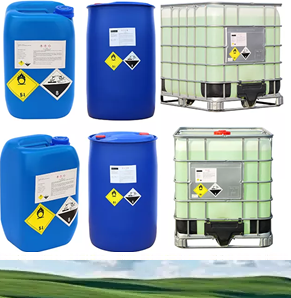
- Cost Efficiency: Highly concentrated chemicals (99%+) often require specialized, expensive shipping containers to prevent leakage and dangerous vapors. 85% solutions are standard and significantly cheaper to transport.
- Reaction Control: If you are working with an exothermic reaction, a 99% concentration might lead to a runaway reaction (a safety hazard). An 85% solution acts as a buffer, allowing you to control the kinetics of the reaction more precisely.
- Standardization: Using 85% purity allows for standardized dosing across equipment. If your facility is calibrated for 85% feedstock, switching to 99% would require recalibrating every pump and flow meter in your production line.
Safety and Storage Requirements
When handling chemicals with 85% purity, safety must remain the absolute priority. Even at this “diluted” level, these chemicals are often highly corrosive and dangerous to human health.
Personal Protective Equipment (PPE)
- Chemical Splash Goggles: Standard glasses are insufficient; you need a seal against chemical vapors.
- Nitrile or Butyl Gloves: Ensure the material of the glove is chemically resistant to the specific acid or base you are handling.
- Respiratory Protection: If working with volatile acids (like 85% Formic acid), a respirator with the appropriate acid-gas cartridge is mandatory.
Storage Conditions
- Cool, Dry, and Ventilated: Store these chemicals in a well-ventilated area away from direct sunlight.
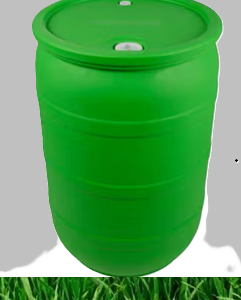
- Secondary Containment: Always place barrels or carboys within secondary containment trays to catch potential spills.
- Compatibility: Never store strong oxidizers near 85% organic acids.
Price Benchmarks: What Should You Pay?
Pricing for 85% concentration chemicals fluctuates based on global supply chains, raw material availability (such as phosphate rock for phosphoric acid), and volume.
Please note: Prices change daily due to market volatility. For current, real-time pricing, visit our pricing portal on ChemicalsSuppliers.com.
| Chemical |
Average Price Per KG (50kg+ quantity) |
| Phosphoric Acid (85%) |
$1.20 – $2.50 USD |
| Formic Acid (85%) |
$1.50 – $3.00 USD |
| Lactic Acid (85%) |
$2.00 – $4.00 USD |
Note: The prices above exclude shipping, customs clearance, and local taxes. Bulk orders significantly lower the per-unit cost.
Where to Buy Highly Pure 85% Concentration Chemicals?
Finding a reliable supplier is the most stressful part of the procurement process. You need a company that provides a Certificate of Analysis (COA), ensures Global Harmonized System (GHS) compliance, and manages secure logistics.
At ChemicalsSuppliers.com, we bridge the gap between high-volume chemical manufacturing plants and end-users. We prioritize:
- Transparency: Every batch comes with a verifiable COA.
- Global Logistics: We handle the complex documentation required for hazardous chemical transit.
- Competitive Pricing: By cutting out middleman distributors, we pass the savings directly to the laboratories and factories.
Visit our catalog to view our current stock of 85% purity reagents here.
Common Misconceptions About Chemical Purity
Myth 1: “85% Purity means it is 15% waste.”
Fact: The “missing” 15% is usually a functional part of the solution. It is often water, which facilitates the dissociation of ions that make the chemical reactive. It is not “impurity” in the sense of dirt or contamination; it is a dilutant chosen for functional stability.
Myth 2: “If I buy 85%, I can just concentrate it later.”
Fact: Concentrating chemicals like phosphoric acid from 85% to 99% requires high-heat vacuum distillation, which is dangerous and energy-intensive. It is almost always cheaper and safer to buy the exact concentration you need for your process.
Industry Insights: The Future of 85% Reagents
The manufacturing sector is moving toward “Lean Chemical Management.” By ordering specific concentrations like 85% instead of over-purchasing high-purity chemicals and diluting them on-site, companies are reducing hazardous waste, improving workplace safety, and saving on shipping volume.
The global chemical market is trending toward more rigorous transparency. Suppliers who cannot provide detailed purity reports are finding it harder to compete. At ChemicalsSuppliers.com, we are committed to meeting these high standards.
How to Place Your First Order
- Identify Your Needs: Determine the exact chemical and the required purity grade. If you need 85%, specify that in your inquiry.
- Request a COA: Before finalizing your purchase, always ask for the Certificate of Analysis for your specific lot.
- Logistics Planning: If you are importing across borders, ensure your local facility has the necessary permits to store the quantity you are ordering.
- Checkout: Visit ChemicalsSuppliers.com to submit a quote request. Our team will verify your requirements and provide an itemized invoice.
Conclusion
The 85% chemical concentration purity percentage is more than a technical specification; it is an efficient, safe, and cost-effective standard that drives modern industry. From the food we eat to the textiles we wear, these 85% solutions play a hidden but vital role.
When sourcing these critical materials, clarity and reliability are non-negotiable. By choosing a supplier dedicated to quality and compliance, you protect your production line and your employees.
Ready to source high-quality chemicals? Explore our comprehensive inventory at ChemicalsSuppliers.com and let us help you find the right purity for your specific industrial application.
Frequently Asked Questions (FAQ)
1. Is 85% concentration safe for direct skin contact? No. Chemicals at 85% purity, especially acids, are highly caustic and can cause severe chemical burns. Always use appropriate PPE and follow the Material Safety Data Sheet (MSDS).
2. How long can I store 85% chemicals? Most 85% solutions have a shelf life of 12 to 24 months, provided they are kept in original sealed, opaque, acid-resistant containers away from extreme heat.
3. Do you ship globally? Yes, ChemicalsSuppliers.com provides global shipping solutions, adhering to all international hazardous goods safety regulations.
External Resources for Further Learning
Tags: #ChemicalPurity #85PercentConcentration #ChemicalSuppliers #IndustrialChemistry #PhosphoricAcid #FormicAcid #LacticAcid #ChemicalSourcing #LaboratorySafety #ReagentGrade #ChemicalDistribution #ChemicalSupplyChain #IndustrialCleaning #ChemicalManufacturing #GlobalChemicals #HazardousMaterials #Procurement #ChemicalEngineering #HighPurityChemicals #ChemicalIndustryTrends #ChemicalSafety #LabSupplies #IndustrialSupplies #BulkChemicals #ChemicalLogistics #ChemicalPurityPercentage #ChemicalsSuppliersDotCom #TechnicalGradeChemicals #ChemicalSafetyData #ChemicalProcurementGuide