85%–90% Chemical Purity: The Industrial Standard for High-Performance Applications
The term “purity” is not just a label—it is the defining factor that determines the success, safety, and efficiency of your manufacturing processes. Whether you are operating in the pharmaceutical sector, agricultural production, water treatment, or specialized laboratory research, the concentration level of your raw materials is paramount.
At ChemicalsSuppliers.com, we specialize in bridging the gap between raw chemical manufacturing and industrial application. One of the most sought-after specifications in the global market is the 85% to 90% chemical purity concentration range. This specific threshold represents a “sweet spot” for many industrial processes, offering high potency without the prohibitive costs associated with 99.9% analytical-grade reagents.
In this comprehensive guide, we will explore why this concentration range is critical, which chemicals fall into this category, how market fluctuations influence pricing, and why choosing the right supplier is the most important decision for your supply chain.
Why Target the 85%–90% Purity Window?
Many procurement managers and lab directors often fall into the trap of over-specifying. While 99% purity (ACS grade or reagent grade) sounds ideal, it is often unnecessary and financially inefficient for large-scale operations.
1. Cost-Effectiveness
Chemicals with 85–90% purity are significantly more affordable than their high-purity counterparts. Because the refining process to reach 99.9% is energy-intensive and time-consuming, opting for a 90% concentrate can reduce your raw material costs by 30% to 50% without compromising the efficacy of your final product.
2. Industry Standard Suitability
Many industrial chemical reactions actually function better when a small percentage of secondary compounds are present. In many instances, the impurities in an 85% concentration are inert carrier fluids—usually distilled water or stable solvents—that do not interfere with the primary reaction.
3. Sustainability and Logistics
Refining chemicals to absolute purity often involves harsh solvent extractions and excessive carbon footprints. Choosing the optimal purity level (85-90%) is a more environmentally responsible choice for large-scale industrial manufacturing, as it reduces the energy burden of unnecessary distillation.
Key Chemicals Frequently Distributed at 85%–90% Concentration
At ChemicalsSuppliers.com, we see a consistent demand for specific compounds that are standardly manufactured at this purity level. Below are some of the most prominent examples:
Phosphoric Acid (85% Grade)
Phosphoric acid is perhaps the most famous example of the 85% purity standard. It is a staple in the food and beverage industry (as a flavoring and acidulant) and in metal treatment (for rust removal). The 85% concentration is the industry standard for stability and shipping safety.
Lactic Acid (88%–90% Concentration)
Used extensively in the cosmetics industry for chemical peels and in the food industry as a preservative, lactic acid is typically supplied at 88%–90% concentration. This level allows for easy dilution into aqueous solutions while maintaining high shelf life.
Potassium Hydroxide (KOH) Solutions
Often available as liquid concentrates, Potassium Hydroxide at 90% purity is a powerhouse for soap manufacturing, biodiesel production, and pH regulation in water treatment facilities.
Formic Acid (85%–90% Concentration)
Formic acid is a vital chemical in the textile and leather industries. At 85%–90% concentration, it is easier to handle, safer to transport, and serves as a highly effective mordant for dyeing processes.
Pricing Analysis: What to Expect in the Current Market
The global chemical market is volatile. Prices for 85%–90% purity chemicals are influenced by raw material availability, energy costs, and global logistics.
| Chemical Compound |
Typical Price Range (Per Metric Ton) |
| Phosphoric Acid (85%) |
$750 – $1,200 |
| Lactic Acid (88%) |
$1,500 – $2,200 |
| Formic Acid (90%) |
$900 – $1,400 |
| Potassium Hydroxide (90%) |
$600 – $950 |
Disclaimer: Prices are estimates and subject to fluctuation based on market demand, container quantity (IBC totes, rail cars, or bulk drums), and geographical location. For real-time quotes, please visit ChemicalsSuppliers.com.
Factors Influencing Pricing
- Purity Deviation: Even within the 85–90% bracket, small variances can dictate price. A 90% purity batch will command a premium over an 85% batch because of the tighter control parameters required during synthesis.
- Impurity Profiling: If your application requires the impurities to be metal-free or chloride-free, the price will increase, even if the “total purity” remains 90%.
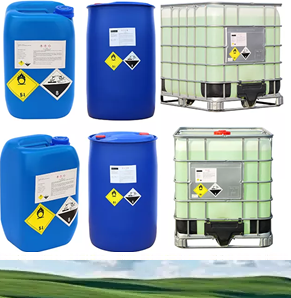
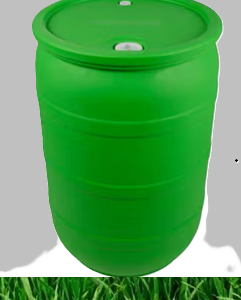
- Volume and Packaging: Buying in bulk ISO tanks is drastically cheaper than ordering pallets of 25kg drums.
Where to Buy: Ensuring Quality and Supply Chain Security
The chemical industry is rife with “re-packagers” who dilute chemicals without proper quality control. When you source chemicals at the 85%–90% purity level, you must verify the Certificate of Analysis (COA).
We distinguish ourselves from general trade platforms by focusing on traceability. When we supply an 85% concentrated chemical, we don’t just deliver the product; we deliver the technical documentation that proves the remaining 10–15% composition is safe and non-reactive for your specific use case.
- Global Logistics: We operate a robust distribution network, ensuring that your 90% concentrate chemicals arrive on time, whether you are in North America, Europe, or Asia.
- Technical Consultation: Not sure if 85% purity is enough for your process? Our technical team reviews your MSDS (Material Safety Data Sheet) requirements and recommends the most cost-effective concentration.
- Transparency: Unlike many brokers, we provide direct access to factory-direct pricing.
Ready to source your high-purity chemicals? Visit the product catalog at ChemicalsSuppliers.com to request a quote tailored to your volume requirements.
Technical Considerations: Storage and Handling of High-Concentration Chemicals
Operating with chemicals in the 85%–90% range requires specialized knowledge, particularly regarding reactivity and storage.
Safety Protocols
- Corrosion Resistance: Many chemicals at this purity level are highly corrosive. Ensure that all storage containers are made of high-density polyethylene (HDPE) or high-grade stainless steel (where specified).
- Temperature Sensitivity: High-concentration liquids can be sensitive to crystallization. For example, 90% Formic Acid or KOH may require climate-controlled storage to maintain homogeneity.
- Personal Protective Equipment (PPE): At 85%–90%, skin contact can result in severe chemical burns. Full-face shields, chemical-resistant gloves (Nitrile or Neoprene), and aprons are mandatory.
Managing Quality During Storage
Even high-quality chemicals can degrade. We recommend:
- Nitrogen Blanketing: For certain organic acids, using a nitrogen blanket in the storage tank prevents oxidation and maintain purity for longer periods.
- Batch Testing: If storing large volumes in IBCs, perform random sample purity tests every 90 days to ensure the concentration has not shifted due to evaporation or environmental contamination.
The Future of Chemical Purity Standards
The industry is moving toward “Integrated Purity Control.” Manufacturers are increasingly using AI-driven sensors to monitor concentration levels in real-time during production. ChemicalsSuppliers.com is at the forefront of this shift, ensuring that the 85%–90% concentration you purchase today is backed by the most precise analytical data available.
As global regulations—such as REACH in Europe and TSCA in the US—become stricter, the documentation provided by your supplier becomes as important as the chemical itself. Every batch we move is accompanied by a full COA, ensuring your operations remain compliant with environmental and safety standards.
Conclusion: A Partnership for Success
Selecting the right chemical concentration is a strategic decision that balances physical requirements, budget constraints, and regulatory compliance. The 85%–90% purity range is often the most intelligent choice for industrial-scale manufacturing, offering the perfect synergy between performance and cost-efficiency.
At ChemicalsSuppliers.com, we are more than just a supplier; we are your partner in process optimization. Whether you are looking for specific acid concentrations, solvent purity levels, or bulk industrial salts, our team is equipped to handle your requirements with precision and reliability.
Take the next step in securing your raw material supply chain:
- Visit our website: ChemicalsSuppliers.com
- Request a Quote: Use our automated RFQ form to get current pricing for your delivery location.
- Connect with Experts: Contact our sales team for technical data sheets on our 85–90% purity inventory.
Expanded Knowledge Base & Further Reading
For those interested in deep-diving into the technical aspects of chemical concentration, we recommend the following external resources:
Tags
#ChemicalPurity #85PercentChemical #90PercentConcentration #IndustrialChemicals #ChemicalSuppliers #RawMaterials #ChemicalManufacturing #PhosphoricAcid85 #LacticAcidSupply #HighPurityChemicals #ChemicalProcurement #IndustrialGradeChemicals #SupplyChainManagement #ChemicalDistribution #ChemicalSafety #PotassiumHydroxide #FormicAcid #BulkChemicals #ChemicalPurityStandards #ManufacturingEfficiency #LaboratorySupplies #ChemicalTrade #GlobalLogistics #ChemicalPricing #CommodityChemicals #SolventConcentration #QualityAssurance #ChemicalDataSheets #ChemicalProcurementStrategy