80% to 85% Chemical Purity Concentrations: An Industrial Guide for Buyers
Purity” is not just a label—it is the defining factor that determines the efficiency, safety, and outcome of your manufacturing processes. For many industries, from pharmaceuticals and water treatment to agriculture and microelectronics, achieving the precise concentration of a chemical reagent is paramount.
At Chemicals Suppliers, we recognize that many professional applications require an 80% to 85% chemical purity concentration. This specific range is often the “sweet spot” for industrial-grade reagents, providing the necessary strength for high-yield reactions while remaining stable and manageable for large-scale storage and logistics.
In this extensive guide, we will dive deep into why 80%–85% concentrations are industry standards, which chemicals commonly fall into this bracket, how to source them safely, and why our platform is your premier destination for high-quality chemical procurement.
What Does 80%–85% Purity Actually Mean?
When we speak of an 80% to 85% chemical purity concentration, we are referring to the mass or volume fraction of the active chemical ingredient in a solution or mixture.
For example, if you purchase a drum of an 85% concentration reagent, 85% of that liquid or solid product consists of the pure chemical substance, while the remaining 15% is typically a solvent (often deionized water or a stabilizing agent).
Why is this concentration range preferred?
- Stability: Higher concentrations (99%+) can sometimes be dangerously reactive or prone to crystallization.
- Cost-Effectiveness: Achieving “analytical grade” (99.9%+) requires expensive purification processes. For most industrial workflows, 80%–85% provides the necessary functionality without the premium price tag.
- Ease of Handling: Solutions in this range are often less viscous and easier to pump through industrial piping systems.
Key Chemicals Frequently Found at 80%–85% Concentration
Many essential chemicals are commercially traded at this specific purity. Below are some of the most prominent examples found on Chemicals Suppliers.
1. Phosphoric Acid (H3PO4)
Phosphoric acid is widely used in the food industry, metal processing, and fertilizer production. While it can be produced at higher strengths, technical grade phosphoric acid is frequently supplied at 85% concentration. This concentration is preferred because it remains liquid at room temperature and is easier to dilute for specific applications, such as rust removal or pH adjustment.
2. Acetic Acid (Glacial and Diluted)
While “Glacial” Acetic Acid is often 99%, industrial-grade acetic acid is frequently standardized at 80% or 83% for use in the textile industry (dyeing processes) and the production of vinyl acetate monomer (VAM).
3. Hydrogen Peroxide (H2O2)
Hydrogen peroxide is a versatile oxidizing agent. While household peroxide is 3%, industrial applications—such as pulp and paper bleaching—often require 35% to 85% concentrations. The 80%–85% range is classified as “high-test peroxide” and is used in specialized missile propellants and high-intensity industrial cleaning.
4. Lactic Acid
Used in the food industry as a preservative and in the production of polylactic acid (PLA) plastics, lactic acid is standardly sold at 80% or 85% aqueous solution. This state provides the best balance between shelf-life stability and reactivity.
Price Analysis: What to Expect
Pricing for chemicals in the 80%–85% purity bracket is influenced by global supply chains, raw material costs, and logistics. Below is a rough estimate for industrial procurement. Note: Prices fluctuate based on market conditions, volume purchased, and shipping location.
| Chemical |
Typical Purity |
Price Range (Est. Per Metric Ton) |
| Phosphoric Acid |
85% |
$800 – $1,200 |
| Acetic Acid |
80% |
$650 – $900 |
| Lactic Acid |
85% |
$1,500 – $2,200 |
| Hydrogen Peroxide |
80% (Industrial) |
$900 – $1,400 |
To get a real-time quote for your specific needs, visit Chemicals Suppliers and use our automated inquiry system.
The Importance of Purity Grades in Industry
Choosing the correct purity level isn’t just about the money; it’s about the integrity of your end product.
- Technical Grade / Industrial Grade (80%–85%): Suitable for commercial and industrial use where a small amount of impurities (such as heavy metals or trace ions) is acceptable.
- Food/Pharma Grade: Requires higher standards. Even if a chemical is 85% pure, the remaining 15% must consist of non-toxic, food-grade stabilizers.
- Analytical Grade (ACS): High purity required for laboratory testing.
When you source chemicals from Chemicals Suppliers, every batch is accompanied by a Certificate of Analysis (COA). This document ensures that the 80%–85% concentration is verified via gas chromatography or titration, giving you peace of mind regarding the exact composition of your shipment.
Where to Buy Quality Chemicals
Finding a reliable supplier is often the biggest hurdle in the chemical procurement process. Many companies struggle with supply chain disruptions, fluctuating lead times, and inconsistent product quality.
At Chemicals Suppliers, we bridge the gap between high-volume chemical manufacturers and the businesses that need them.
Why Choose Us?
- Verified Suppliers: We vet every manufacturer on our platform to ensure they adhere to international safety and quality standards (e.g., ISO certification).
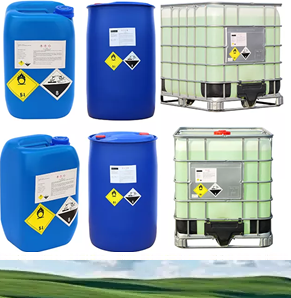
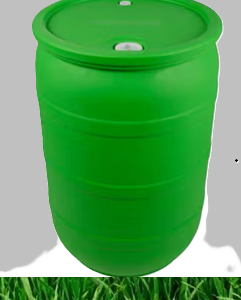
- Bulk Availability: Whether you need a 200-liter drum or a 20-foot container shipment, our logistics network is equipped to handle your order.
- Global Reach: We connect suppliers from the major chemical hubs in Asia, Europe, and North America directly to your facility.
- Transparent Pricing: No hidden fees—just direct quotes from the source.
Click here to view our current product catalog and get a quote.
Safety and Handling for High-Concentration Chemicals
Working with chemicals that have 80%–85% concentration levels involves inherent risks. At this strength, many acids and oxidizers are highly corrosive to skin, eyes, and metal surfaces.
Best Practices for Storage and Handling:
- Personal Protective Equipment (PPE): Never handle these chemicals without appropriate gloves (nitrile or butyl rubber), chemical-resistant aprons, and face shields.
- Storage Conditions: Store in cool, dry, well-ventilated areas, away from incompatible materials (e.g., keep acids away from bases and flammable organics).
- Containment: Use secondary containment systems (spill pallets) to prevent environmental contamination in the event of a container puncture.
- Regulatory Compliance: Ensure you are familiar with the Globally Harmonized System of Classification and Labelling of Chemicals (GHS) regarding the safety data sheets (SDS) of the chemicals you procure.
The Economics of Bulk Procurement
If your facility consumes large quantities of 80%–85% concentration chemicals, purchasing in bulk is the most efficient way to reduce costs. Beyond the price per unit, you should consider:
- Logistics Costs: Shipping a container load is significantly cheaper per unit than LTL (Less-than-Truckload) shipping.
- Shelf Life: Most chemicals supplied at an 85% concentration have a shelf life of 12–24 months if stored correctly. Plan your inventory turnover to prevent product degradation.
- Direct Sourcing: By using Chemicals Suppliers, you remove the middleman, effectively lowering your procurement costs by 10% to 20% compared to local distribution markups.
Future Trends in Chemical Purity
The industry is moving toward higher transparency and greener chemistry. Even for standard 80%–85% industrial grades, there is an increasing demand for “trace-metal purity.” This means that even if the concentration of the target chemical is 85%, manufacturers want the remaining 15% to be free of contaminants like lead, mercury, or arsenic.
We anticipate that by 2025, the market will demand even tighter specifications for industrial chemicals. Chemicals Suppliers is at the forefront of this shift, working with producers to ensure that our product offerings exceed the requirements of modern, environmentally conscious businesses.
Conclusion: Partnering for Success
Selecting the right chemical concentration is a strategic decision. Whether you are optimizing a chemical synthesis process, refining a metallurgical application, or managing a large-scale cleaning operation, the 80%–85% purity range offers a reliable, potent, and cost-effective solution.
Do not gamble with the quality of your raw materials. Rely on experts who understand the nuances of chemical procurement and provide you with clear, accurate, and prompt services.
Are you ready to optimize your supply chain?
- Visit Chemicals Suppliers.
- Search our comprehensive database for the chemical you need.
- Request a quote based on your required purity and volume.
- Secure your shipment with our trusted logistics partners.
For any specific technical questions or assistance with large-scale procurement strategies, our support team is available via our website contact form. Let us help you power your industry with the highest standard of chemical reagents.
Frequently Asked Questions (FAQ)
Q: Can 85% purity be used in place of 99% purity?
A: It depends on the application. If the 14% impurity is water, it may be fine for some processes. However, if your reaction is water-sensitive, you must use 99% or higher. Always check your process safety and technical requirements.
A: Yes, many of our listed suppliers offer samples for lab testing and quality verification before a bulk order is placed. Check the specific product page for sample availability.
Q: How are shipping costs calculated for hazardous chemicals?
A: Shipping costs for hazardous chemicals (often categorized under IMDG or DOT regulations) are calculated based on weight, volume, classification of the hazard, and distance. We work with specialized freight forwarders to ensure safe and compliant delivery.
References and External Links for Further Learning
Tags: Chemical purity, 85% concentration, industrial reagents, chemical supply chain, phosphoric acid 85%, acetic acid 80%, hydrogen peroxide high test, chemical procurement, bulk chemical suppliers, laboratory chemicals, technical grade reagents, chemical purity standards, raw material sourcing, chemical logistics, hazardous material shipping, chemical analysis, concentration percentage guide, industrial manufacturing supplies, wholesale chemicals, sustainable chemical sourcing, chemical safety data, reagent grade, industrial grade vs analytical grade, chemical market analysis, chemical trading, global chemical suppliers.