Buy 75% Purity Concentration Chemicals: Applications, Sourcing, and Market Insights
While many assume that only 99.9% reagent-grade chemicals are the gold standard, there is a massive, highly specialized market for 75% purity concentration chemicals.
Whether you are managing a water treatment facility, conducting large-scale organic synthesis, or stocking a university laboratory, understanding the role, availability, and cost-benefit analysis of 75% purity compounds is essential. At ChemicalsSuppliers.com, we bridge the gap between industrial necessity and reliable supply chains.
Why 75% Purity Concentration Matters
The term “purity” is often misunderstood. In many industrial applications, a 100% pure substance is not only unnecessary but cost-prohibitive. A 75% purity concentration means that three-quarters of the product is the active chemical agent, while the remaining 25% often consists of specific stabilizers, diluents, or water, which can actually be beneficial for the end application.
Cost-Effectiveness
For manufacturers, purchasing 99% pure chemicals when the process only requires 75% is a waste of capital. By opting for 75% purity grades, businesses can significantly reduce their overhead costs without compromising the integrity of their final output.
Stability and Safety
Some chemicals are inherently unstable at high concentrations. By maintaining a 75% concentration, manufacturers can provide a safer, more stable product that is easier to store, transport, and handle, reducing the risk of exothermic reactions or rapid degradation.
Key Examples of 75% Purity Chemicals
Several chemicals are frequently traded at a 75% concentration. Below are the most common industry standards:
1. Phosphoric Acid (75% Solution)
Phosphoric acid is perhaps the most famous example of a chemical where the 75% concentration is the industry workhorse. Used extensively in food processing (as an acidulant), fertilizer production, and rust removal, the 75% solution provides the perfect balance of viscosity and reactivity.
- Application: Boiler scale removal, metal surface treatment, and food-grade pH balancing.
2. Hydrogen Peroxide (Low-Concentration Variants)
While often found in 30% or 50% for laboratory use, specific industrial-grade Hydrogen Peroxide is frequently diluted or stabilized at higher concentrations for heavy-duty industrial bleaching and wastewater treatment.
3. Acetic Acid (Technical Grade Solutions)
Glacial acetic acid is often diluted to various concentrations for industrial cleaning and textile processing. A 75% solution is common when a strong acid is needed, but the corrosive intensity of a 99% solution is not required.
4. Various Surfactants and Industrial Solvents
Many industrial surfactants are synthesized in a 75% aqueous solution. The remaining 25% is often water or alcohol, which assists in the solubility of the chemical when it is added to the user’s specific formulation.
Pricing Guide (Estimated Market Ranges)
Pricing for industrial chemicals fluctuates based on global demand, supply chain logistics, and the specific chemical composition. Below are estimated price ranges for 75% purity chemicals (note: these prices are subject to change; for real-time quotes, visit ChemicalsSuppliers.com).
| Chemical Type |
Estimated Price per Metric Ton (USD) |
| Phosphoric Acid 75% |
$650 – $1,100 |
| Industrial Acetic Acid 75% |
$450 – $800 |
| Industrial Stabilized Peroxides |
$700 – $1,250 |
| Specialty Surfactants (75%) |
$1,500 – $3,000 |
Disclaimer: Prices vary heavily based on order volume, shipping destination (Incoterms), and current raw material market fluctuations.
Where to Buy 75% Purity Concentration Chemicals
Finding a reliable chemical supplier is the most stressful part of the procurement process. Many entities struggle with “middlemen” who inflate prices or lack the necessary certifications.
At ChemicalsSuppliers.com, we specialize in connecting industrial buyers with verified producers.
Why Choose ChemicalsSuppliers.com?
- Verified Supply Chain: We audit our producers to ensure that the 75% purity concentration is accurate according to the provided COA (Certificate of Analysis).
- Global Logistics: Whether you are in Asia, Europe, or the Americas, we handle the complexities of international trade.
- Bulk and Small Batch: We understand that not every lab needs a tanker ship of chemicals, which is why we cater to both wholesale industrial buyers and smaller research facilities.
Visit our catalog today to review our inventory and request a quote.
Understanding the Chemistry of Concentration
In chemistry, the “purity” of a substance is defined as the mass percentage of the target compound relative to the total mass of the mixture. When you order a 75% purity concentration chemical, you are essentially managing a mixture.
The Role of Impurities
It is a common misconception that the remaining 25% is “garbage.” In reality, the “impurities” in a 75% grade chemical are often:
- Stabilizers: Chemicals added to prevent the primary component from degrading (e.g., stabilizers in peroxides).
- Solvents: Chemicals like deionized water or ethanol, which help keep the primary component in a liquid, pumpable state.
- Catalyst Residues: In some synthesis processes, small amounts of by-products are left behind, which do not interfere with the primary utility of the chemical.
Industrial Applications: Who Needs 75% Purity?
1. Wastewater Treatment Plants
Large-scale treatment facilities use massive quantities of pH regulators and oxidizing agents. Using 75% purity phosphoric acid is the standard for neutralizing alkaline wastewater. It is cost-effective and provides the steady reactivity required for high-volume flow.
2. The Agricultural Sector
Agricultural chemicals, particularly fertilizers and soil treatment additives, are rarely 100% pure. A 75% purity allows for easier distribution through irrigation systems and a more balanced nutrient absorption rate for crops.
3. Textile Processing
In the textile industry, acetic acid is used as a dye-fixing agent. A 75% solution is often preferred because it is less likely to cause sudden, violent pH swings in the dye bath, resulting in more uniform color distribution.
How to Read a Certificate of Analysis (COA)
When buying chemicals online, the COA is your map. Never purchase a chemical from a supplier who cannot provide a current, lot-specific COA.
A COA for a 75% purity chemical should include:
- Assay Value: This should be between 74.5% and 75.5%.
- Physical Appearance: Is it a clear liquid? Does it have a specific color?
- Specific Gravity: Used to verify the concentration.
- Impurity Profile: List of traces (often measured in ppm – parts per million) such as heavy metals or chlorides.
If you are struggling to interpret a COA, the team at ChemicalsSuppliers.com provides expert support to help you ensure the product meets your specific technical requirements.
Safety and Storage Protocols
Handling 75% purity chemicals requires specific safety infrastructure. Even if the chemical is not “concentrated” to its maximum potential, it is often still highly reactive.
- PPE (Personal Protective Equipment): Always wear chemical-resistant gloves (nitrile or neoprene), safety goggles, and lab coats.
- Ventilation: Use chemical fume hoods or well-ventilated areas to prevent inhalation of vapors.
- Storage: Store in a cool, dry, and well-ventilated area. Many 75% chemicals are hygroscopic (they absorb moisture from the air), so airtight sealing is critical.
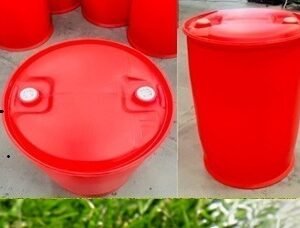
- Secondary Containment: Always place barrels or carboys in secondary containment bins to prevent spills from entering the environment.
Refer to the OSHA guidelines for chemical safety for comprehensive data on handling specific hazardous materials.
Future Trends in the Chemical Market
The chemical industry is shifting toward “Green Chemistry.” This transition affects how we produce and consume 75% purity chemicals. Many manufacturers are now looking for ways to create these solutions using more sustainable, bio-based feedstocks rather than traditional petroleum-based synthesis.
By purchasing from reputable platforms like ChemicalsSuppliers.com, you are supporting a network that prioritizes transparency and the move toward more sustainable industrial practices.
Frequently Asked Questions (FAQ)
Q: Is 75% purity good enough for pharmaceutical manufacturing?
A: Generally, no. Pharmaceutical-grade chemicals usually require 99.9% purity or higher (USP/NF standards). However, 75% chemicals may be used in the intermediate stages of synthesis before final refinement.
Q: Can I buy in small quantities?
A: Yes. At ChemicalsSuppliers.com, we accommodate varying order sizes, from industrial drums to smaller laboratory-sized containers.
Q: How is the percentage calculated?
A: The percentage is by weight (w/w). 75% concentration means 75 grams of the chemical per 100 grams of total solution.
Q: Do you provide MSDS/SDS?
A: Absolutely. Every shipment includes a Safety Data Sheet (SDS) compliant with GHS standards.
Why Buying Online is Becoming the New Standard
Traditionally, companies relied on local distributors. While local suppliers are great for emergency needs, they are often limited by inventory scope and price-gouging.
Shopping for chemicals online allows for:
- Global Comparison: Compare prices against international benchmarks.
- Regulatory Transparency: You can see certifications and compliance documents before you buy.
- Direct Access: Reach out to the experts at ChemicalsSuppliers.com to discuss your specific chemistry needs.
Conclusion: Your Partner in Chemical Sourcing
Navigating the market for 75% purity concentration chemicals doesn’t have to be a gamble. With the right information, a focus on COA verification, and a trusted supplier, you can optimize your processes, save money, and ensure safety.
At ChemicalsSuppliers.com, we pride ourselves on being more than just a website; we are your partner in industrial chemistry. Whether you are seeking technical advice, bulk pricing, or help locating a hard-to-find compound, we invite you to browse our inventory and reach out to our team.
Ready to get started? Visit ChemicalsSuppliers.com today and secure your chemical supply chain.
External Resources for Further Learning
Tags: #ChemicalSupply #75PercentPurity #IndustrialChemicals #ChemicalsSuppliers #RawMaterials #ChemicalManufacturing #PhosphoricAcid #LabEquipment #ChemicalProcurement #GlobalChemicalTrade #ChemicalIndustry #WholesaleChemicals #ScienceSupply #ChemistryBlog #SupplyChainManagement #ChemicalSafety #TechnicalGradeChemicals #ChemicalsForSale #BulkChemicals #ChemicalDistributor #LaboratoryGrades #IndustrialSolutions #MaterialScience #ResearchChemistry #ChemicalLogistics #ChemicalInventory #SustainabilityInChemistry #ChemicalCompound #PurityStandards #ChemicalMarketInsights