75%–80% Chemical Purity: A Comprehensive Guide for Industrial and Laboratory Excellence
Manufacturing, pharmaceuticals, research, and industrial processing, the term “purity” is not just a label—it is the foundation of quality control. When sourcing raw materials, the concentration percentage acts as a critical specification that dictates how a reaction will proceed, how a product will perform, and what safety protocols must be observed.
At Chemicalssuppliers.com, we understand that the difference between success and failure in a chemical process often hinges on selecting the correct grade of reagent. Today, we are diving deep into the technical, economic, and practical significance of 75% to 80% chemical concentration grades.
Why Choose 75%–80% Purity Levels?
Many buyers mistakenly believe that “higher is always better.” While 99.9% (ACS grade) purity is essential for analytical chemistry, it is rarely the most cost-effective or practical choice for large-scale industrial manufacturing.
The Economic Efficiency of Mid-Range Purity
Chemicals with a purity profile of 75% to 80% are often referred to as “Technical Grade” or “Industrial Grade.” The primary benefit is cost-efficiency. Purifying a substance from 80% to 99.9% requires exponential energy consumption, complex distillation cycles, and high-level filtration processes. By opting for the 75%–80% bracket, you are paying for the functional utility of the chemical without the premium price tag associated with laboratory-grade refinement.
Practical Applications
Where is an 80% concentration sufficient?
- Water Treatment: Many flocculants and pH adjusters are optimally used at lower concentrations to ensure gradual reactivity.
- Agricultural Fertilizers: Industrial-strength acids and salts are often supplied at these percentages to stabilize them for transport.
- Bulk Cleaning Agents: Heavy-duty industrial degreasers and sanitizers use 75% solutions to balance efficacy with safety.
- Textile Processing: Dyeing agents often require specific molar concentrations that are perfectly met by 80% solutions.
Technical Breakdown: Stability and Concentration
When you see a chemical listed as “Technical Grade (approx. 75-80%),” it usually implies that the remaining 20-25% is composed of water, carrier solvents, or inert stabilizers. This balance is frequently intentional.
The Role of Solvents
In many cases, a 100% pure solid form of a chemical might be dangerously unstable, highly hygroscopic (absorbing water from the air), or prone to crystallization. Suppliers formulate these chemicals at 75%–80% in a solvent base to:
- Prevent solidification during cold-weather shipping.
- Lower volatility, making the chemical safer to handle in a factory setting.
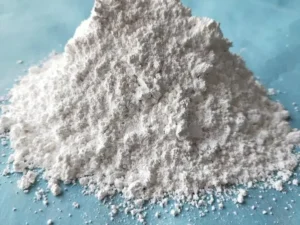
- Enhance solubility for the end-user, saving them the time of dissolving raw powders.
Key Examples of 75%-80% Purity Chemicals
At Chemicalssuppliers.com, we curate a massive inventory of chemicals tailored to these specific concentration ranges. Here are some of the most sought-after products in this category:
1. Phosphoric Acid (80% Concentration)
Phosphoric acid is a staple in the food and beverage industry, as well as in metal treatment. At 80% concentration, it is widely used as a rust remover and a metal surface cleaner, providing the perfect balance between acid strength and ease of rinsing.
2. Sulfuric Acid (Low-Concentration Solutions)
While high-concentration sulfuric acid (98%) is a powerhouse, 75%-80% solutions are often prefered for controlled industrial etching and battery electrolyte maintenance. It is less prone to immediate charring of organic materials, allowing for more precise reactions.
3. Hydrogen Peroxide (Standard Industrial Grade)
While medicinal hydrogen peroxide is diluted to 3%, industrial applications—such as wastewater treatment and pulp bleaching—often utilize 35% to 80% solutions. These medium-high concentrations are highly reactive and essential for advanced oxidation processes (AOPs).
4. Acetic Acid (Technical Purity)
Used in the production of plastics and as a textile preservative, industrial acetic acid at an 80% purity profile is a workhorse in the manufacturing sector.
Pricing Overview: Factors that Influence Costs
When browsing our catalog at Chemicalssuppliers.com, you will notice that pricing fluctuates based on several variables. Because we deal directly with global manufacturers, we offer competitive rates, but it is important to understand what you are paying for:
| Chemical Type |
Purity Range |
Industry Use |
Price Factor |
| Phosphoric Acid |
75%–80% |
Metal Finishing |
Moderate (High demand) |
| Nitric Acid |
68%–80% |
Fertilizer/Etching |
Variable (Market volatility) |
| Synthetic Solvents |
75%–80% |
Cleaning |
Low-Mid (Economy scale) |
| Custom Mixtures |
75%–80% |
Laboratory |
High (Precision blending) |
Note: For up-to-date pricing, please visit our Real-Time Quote Page. Industrial bulk discounts are available for orders exceeding 1,000kg.
Where to Buy: The Importance of Reliable Supply Chains
Sourcing chemicals is not just about the purity percentage; it is about purity assurance. When you purchase from Chemicalssuppliers.com, you receive:
- Certificate of Analysis (COA): Every batch is tested to ensure it falls within the stated 75%–80% threshold.
- Material Safety Data Sheets (MSDS/SDS): Comprehensive safety information tailored to your specific concentration.
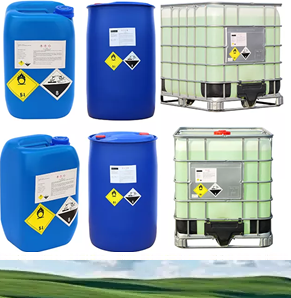
- Logistical Expertise: We navigate the complex regulations of shipping hazardous vs. non-hazardous liquids.
Why Choose Chemicalssuppliers.com?
In the global market, finding a supplier that bridges the gap between “bulk warehouse” and “specialized laboratory” is difficult. We serve as that bridge. We provide:
- Tiered Transparency: We list exact specifications so you know exactly what the remaining 20% of your product contains.
- Global Logistics: From the Americas to Asia, we ensure that your 75%–80% chemical agents arrive with their structural integrity intact.
- Consultative Support: Not sure if 75% is enough for your specific application? Our Technical Support Team can guide you through the molar calculations.
Safety and Handling: Dealing with 80% Concentrations
Even at 75%-80% purity, these chemicals are potent. Industrial grade does not mean “safe for skin contact.”
- Personal Protective Equipment (PPE): Always utilize chemical-resistant gloves (nitrile or neoprene), safety goggles, and full-body aprons when handling concentrations above 50%.
- Ventilation: Many chemicals at this purity contain volatile components. Always work in a well-ventilated area or under a fume hood.
- Storage Requirements: Keep containers tightly sealed in a cool, dry place. Ensure that the storage area is labeled with appropriate NFPA diamond placards.
Advanced Technical Considerations: The “Inert” Portion
A common question we receive is: What exactly is in the other 20%?
At 75%–80% purity, the remaining percentage is rarely “waste” in the traditional sense. It often consists of:
- Stabilizers: Chemicals added to prevent the primary reagent from breaking down over time.
- Solubilizers: Ingredients that keep the active agent in a liquid state.
- Trace Minerals: Naturally occurring impurities from the source raw materials that do not interfere with the primary desired chemical reaction.
If your specific process is sensitive to certain trace elements, we recommend requesting a lot-specific COA before purchase. This allows you to inspect the exact profile of the remaining percentage.
Comparing Quality Grades: 75% vs. 99%
| Attribute |
75%–80% (Industrial) |
99%–99.9% (Analytical) |
| Use Case |
Bulk Processing / Manufacturing |
Research / Precision Calibration |
| Cost |
Budget-Friendly |
Expensive |
| Production |
Large-scale synthesis |
Multiple-stage purification |
| Availability |
High volume (Tons) |
Lower volume (Grams/Kg) |
If you are currently using 99% purity for a process where 80% would suffice, you could be overspending by 30% to 50% on your raw material costs. Our team at Chemicalssuppliers.com specializes in helping firms identify where they can switch to more economical purity grades without compromising their end-product quality.
Regulatory Compliance and Documentation
Working with chemical concentrations of 75% and above often triggers specific regulatory oversight depending on your country (e.g., REACH in the EU, TSCA in the US).
Our commitment to compliance ensures:
- Traceability: We track every batch from the refinery to your loading dock.
- Compliance Documentation: We provide all necessary paperwork for customs and local environmental agencies, ensuring that your procurement process is frictionless.
If you are a purchasing manager or a lab supervisor, you can view our Compliance Center for detailed information on how we manage international safety standards.
Future Trends in Chemical Purity
The market is shifting toward “Green Chemistry,” where the focus is on reducing the environmental impact of the 20% non-active portion of chemicals. As we move forward, Chemicalssuppliers.com is committed to stocking more eco-friendly variants that utilize biodegradable stabilizers and environmentally safe carrier solvents.
By choosing us as your partner, you are supporting a supply chain that prioritizes efficiency and sustainability.
Conclusion
Whether you are in the textile, mining, food production, or advanced manufacturing sector, the 75%–80% purity bracket is often the “sweet spot” for industrial operations. It offers the aggressive chemical efficacy required for heavy-duty work while maintaining a price point that keeps your business competitive.
Navigate to Chemicalssuppliers.com today to browse our extensive list of high-grade chemicals. Use our Advanced Filter Tool to sort by concentration, volume, and application. If you have any specific inquiries or require a bulk quotation, our experts are standing by to assist you in finding the perfect chemical solution for your operation.
How to Order
- Search: Visit https://www.chemicalssuppliers.com/ and search for your required chemical.
- Filter: Select the “75% – 80% Purity” filter in the sidebar.
- Quote: Add to your RFQ (Request for Quote) list and submit.
- Deliver: Receive a competitive shipping estimate and lead time from our global logistics team.
TagsKeywords: #ChemicalPurity #75PercentConcentration #80PercentChemicals #IndustrialChemicals #ChemicalSuppliers #RawMaterials #LaboratoryReagents #BulkChemicals #ChemicalManufacturing #IndustrialGrade #ChemicalSourcing #PhosphoricAcid #NitricAcid #ChemicalDistributors #SupplyChainManagement #RawMaterialExcellence #ChemicalSafety #PurityStandards #TechnicalGradeChemicals #ChemicalPricing #GlobalChemicalSupply #ChemicalLogistics #MaterialScience #ManufacturingEfficiency #IndustrialCleaning #ChemicalAnalysis #ChemicalQualityControl #ChemicalFormulation #TheChemicalsSuppliers #HighPurityChemicals