High-Purity Chemical Concentrations (70% – 99%): A Guide to Industrial and Laboratory Standards
For the complex world of industrial manufacturing, pharmaceutical development, and scientific research, the efficacy of a process is dictated by one fundamental metric: Chemical Purity Concentration. Whether you are synthesising a precise pharmaceutical compound, cleaning precision optics, or managing water treatment systems, the difference between a 70% concentration and a 99.9% reagent-grade solution can determine the success or failure of your project.
At ChemicalsSuppliers.com, we recognize that sourcing specific purity grades is not just about logistics; it is about quality assurance and regulatory compliance. This exhaustive guide explores the nuances of chemical purity, the differences between grades, pricing structures, and why selecting the right concentration (70% to 99%) is critical for your operational goals.
What Does “Chemical Purity Concentration” Actually Mean?
When a chemical is labeled with a purity percentage, it indicates the mass ratio of the desired substance relative to the total mass of the mixture. For instance, a 99% pure chemical contains 99 parts of the target compound and 1 part impurities (which could include water, inert fillers, or reaction byproducts).
The Hierarchy of Concentration
- 70% – 85% (Technical/Commercial Grade): Often used in large-scale industrial processes, agriculture, and general cleaning.
- 90% – 95% (Analytical Grade): Suitable for most laboratory work and standard manufacturing processes.
- 98% – 99%+ (Reagent/ACS Grade): Required for high-precision analytical chemistry, pharmaceutical synthesis, and sensitive electronic material processing.
Understanding where your requirements fall on this spectrum is the first step in sourcing materials from ChemicalsSuppliers.com.
Key Chemicals in the 70% – 99% Purity Spectrum
Many common industrial chemicals are marketed at varying purity levels. Below are common examples and their specific use cases.
1. Isopropyl Alcohol (IPA)
- 70% IPA: The gold standard for disinfection. The remaining 30% water is crucial because it allows the alcohol to penetrate bacterial cell walls more effectively.
- 99% IPA: Essential in the electronics and semiconductor industry. It evaporates completely, leaving no residue, making it perfect for cleaning circuit boards and optical lenses.
2. Hydrogen Peroxide (H2O2)
- 30% – 50%: Industrial strength, used in wastewater treatment.
- 70% – 90%: High-test peroxide used in aerospace propulsion as an oxidizer. Caution: High-purity H2O2 is highly reactive and requires specialized handling.
3. Sulfuric Acid (H2SO4)
- 70% (Battery Acid): Used in automotive lead-acid batteries.
- 98% (Concentrated): Used in the manufacture of fertilizers, chemical synthesis, and petroleum refining.
4. Acetic Acid (Glacial)
- 99% (Glacial Acetic Acid): So named because it freezes just below room temperature (16.6°C). It is a vital building block in the production of plastics and chemical reagents.
Pricing Structures: Why Purity Drives Cost
The pricing of chemicals is not purely linear. While a 99% pure chemical represents a higher quantity of the active ingredient than a 70% solution, the cost difference often stems from the purification process.
Factors Influencing Cost:
- Refinement Methods: Achieving 99% purity often requires multiple stages of distillation, recrystallization, or chromatography. These energy-intensive steps significantly increase the price per kilogram.
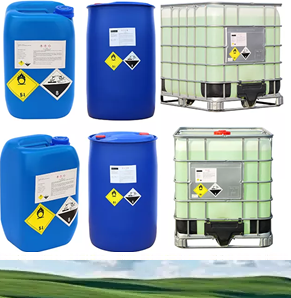
- Safety and Logistics: Products with high purity (and potential high reactivity) often require specialized containment vessels (e.g., HDPE or glass-lined steel) and certified transport, which increases the overhead cost.
- Certification and Testing: Providing a Certificate of Analysis (CoA) for a 99.9% pure substance involves expensive laboratory validation, including Mass Spectrometry (MS) and Gas Chromatography (GC) analysis.
Estimated Pricing Overview (Market Averages)
Note: Prices fluctuate based on market demand, container quantity, and global supply chain conditions. Always check ChemicalsSuppliers.com for real-time quotations.
| Chemical |
70% – 80% Purity Price (per L/kg) |
98% – 99% Purity Price (per L/kg) |
| Isopropyl Alcohol |
$4.00 – $6.50 |
$9.00 – $15.00 |
| Sulfuric Acid |
$1.50 – $3.00 |
$5.00 – $12.00 |
| Acetic Acid |
$2.50 – $4.00 |
$8.00 – $14.00 |
| Hydrogen Peroxide |
$3.00 – $5.00 |
$15.00 – $30.00 |
Where to Buy Chemicals with Guaranteed Purity
Sourcing high-purity chemicals requires a partner who understands the necessity of chain-of-custody and analytical verification. At ChemicalsSuppliers.com, we bridge the gap between global manufacturers and end-users who require specific concentration standards.
Why Choose ChemicalsSuppliers.com?
- Quality Assurance: Every batch is accompanied by documentation verifying its purity percentage.
- Broad Inventory: From bulk technical-grade solvents to fine-reagent chemicals, we maintain a diverse catalog.
- Global Distribution: We utilize a robust logistics network to ensure your chemicals arrive safely, meeting all international transport regulations (IATA, IMDG).
- Expert Consultation: Unsure if 95% is sufficient for your application? Our technical team is available to help you navigate safety protocols and technical specs.
Visit our catalog here: Explore ChemicalsSuppliers.com
Technical Considerations for Handling High-Purity Chemicals
When working with substances at the 99% range, “common sense” is not enough. You must adhere to strict safety (HSE) protocols regardless of the chemical’s intended use.
1. Storage and Stability
Highly concentrated chemicals are often unstable when exposed to ambient conditions. For example, 99% Acetic Acid is hygroscopic (absorbs water from the air). Proper storage in airtight, chemically resistant containers is essential to maintaining the purity level you paid for.
2. Contamination Risks
When a chemical is 99.9% pure, the introduction of even a trace amount of a secondary substance (e.g., a dirty pipette or a contaminated storage tank) can ruin an entire batch of product. Always use high-purity handling equipment.
3. Personal Protective Equipment (PPE)
At 70% concentration, many acids and bases cause significant chemical burns. At 99% concentration, they are often immediately damaging to tissue or pose severe respiratory inhalation risks. Always consult the Material Safety Data Sheet (MSDS/SDS) provided with your purchase.
Industry Applications: Why Purity Percentages Matter
Pharmaceuticals and Biotechnology
In drug manufacturing, even a 0.1% impurity can cause adverse reactions in patients or fail regulatory audits by the FDA or EMA. High-purity reagents (99.9%+) are non-negotiable in the production of Active Pharmaceutical Ingredients (APIs).
Electronics and Semiconductor Manufacturing
The computer chips powering your devices are manufactured using “Electronic Grade” chemicals. Any metallic impurity in these chemicals can cause “shorts” or defects on a nanometer scale. Only 99.999% purity (often called “Ultra-High Purity” or UHP grade) is acceptable here.
Environmental Analysis
Laboratory testing for trace contaminants in water or soil requires high-purity solvent extraction. Using a reagent that is only 70% pure would introduce “background noise” into the analysis, rendering the results statistically invalid.
How to Select the Correct Purity for Your Needs
Before placing an order at ChemicalsSuppliers.com, ask yourself these four questions:
- What is the tolerance for impurities? If you are cleaning a floor, 70% is fine. If you are cleaning an optical sensor, 99% is required.
- What is the reaction environment? Will the impurities, however small, interfere with the catalyst or the final reaction?
- What are the regulatory requirements? Do you need ISO certification or ACS (American Chemical Society) grade materials?
- How will it be stored? Can you maintain the purity levels of a 99.9% substance once you open the seal?
Future Trends in Chemical Purity
The industry is moving toward “Green Chemistry” and higher purity standards. As analytical instruments become more sensitive, the definition of “pure” continues to shift. We are seeing a greater demand for specialized grades that offer low-metal content, low-moisture content, and specific particle-size cleanliness.
At ChemicalsSuppliers.com, we are constantly updating our supply chains to ensure that we offer the latest high-purity standards requested by modern engineering.
Conclusion
Choosing the right chemical purity concentration—whether between 70% and 99%—is a strategic decision that affects product quality, safety, and project costs. By understanding the specific needs of your facility and sourcing from a verified partner like ChemicalsSuppliers.com, you ensure that your research and production remain on the cutting edge of excellence.
Need a quote or specific technical advice? Contact the experts at ChemicalsSuppliers.com today to discuss your supply requirements. We provide reliable shipping, transparent pricing, and the quality assurance your organization demands.
Additional Resources
Keywords:
#ChemicalPurity #ConcentrationPercentage #LaboratoryReagents #IndustrialChemicals #ChemicalSuppliers #HighPuritySolvents #ChemicalDistribution #ReagentGrade #AnalyticalChemistry #BulkChemicals #ChemicalSupplyChain #ChemicalManufacturing #LaboratorySupplies #SafetyDataSheets #ChemicalsSuppliersDotCom #TechnicalGrade #ElectronicGrade #PharmaceuticalIntermediates #SolventPurity #ChemicalRefinement #QualityAssurance #GlobalChemicalLogistics #PurityVerification #ScientificResearchChemicals #ChemicalPricing #VolumePurchasing