65% – 70% Chemical Purity Concentrations: A Comprehensive Guide to Industrial grade Standards
In the intricate world of chemical manufacturing, processing, and laboratory research, the term “purity” is not merely a label—it is the bedrock of safety, efficacy, and success. Among the various grades available in the global marketplace, the 65% to 70% chemical purity concentration range occupies a unique and vital niche.
Whether you are involved in water treatment, industrial cleaning, metal etching, or specialized organic synthesis, understanding the implications of these specific concentrations is paramount. At ChemicalsSuppliers.com, we bridge the gap between high-grade industrial requirements and accessibility. This comprehensive guide will explore why this purity range is the industry standard for many applications and how you can source these materials reliably.
What Does 65% – 70% Purity Actually Mean?
When a chemical is labeled with a purity concentration of 65% to 70%, it indicates that the mixture consists of 65–70 parts of the active chemical compound by weight or volume, with the remaining 30–35% typically consisting of water or a solvent carrier.
While researchers might often seek “Analytical Grade” or “Reagent Grade” (often 99.9% purity), the 65–70% range is often referred to as Technical Grade or Industrial Strength.
Why Not Always 100%?
- Physical Limitations: Certain compounds, such as Nitric Acid, are chemically unstable or physically difficult to concentrate beyond a certain threshold without undergoing dangerous reactions or decomposition.
- Economic Efficiency: For many industrial processes, a 99% purity is an unnecessary expense. A 70% solution provides the necessary reactivity at a fraction of the cost.
- Safety and Stability: Highly concentrated chemicals can be volatile. Diluting them to 65–70% often makes them safer to transport, store, and handle in a facility setting.
Essential Chemicals Frequently Found at 65% – 70% Purity
The industry relies heavily on this specific concentration range for several core compounds. Below are some of the most critical chemicals that fall into this category.
1. Nitric Acid (HNO₃)
Nitric acid is the most common chemical associated with the 70% concentration mark. It is a highly corrosive mineral acid used extensively in the production of fertilizers, explosives, and rocket propellants.
- Application: Metal etching and cleaning of stainless steel equipment.
- Why 70%? It is the standard “concentrated” form of nitric acid. Going beyond this requires specialized stabilizers and creates significant storage hazards.
2. Isopropyl Alcohol (IPA)
While many associate IPA with 99% purity, the 70% solution is medically and industrially superior for specific tasks.
- Application: Disinfection and sanitization.
- Why 70%? At 70%, the water content aids in the penetration of the cell walls of bacteria, allowing the alcohol to denature proteins more effectively than 99% alcohol, which evaporates too quickly.
3. Hydrogen Peroxide (H₂O₂)
Industrial-grade Hydrogen Peroxide is frequently supplied at 70% for heavy-duty oxidation processes.
- Application: Bleaching agents in the textile and paper pulp industry.
- Safety Note: At 70%, this chemical acts as a powerful oxidizer and requires specialized handling protocols to prevent accidental combustion.
4. Sulfuric Acid Blends
In various degreasing and industrial pickling baths, sulfuric acid is often supplied in controlled concentrations to manage the rate of reaction. A 65–70% concentration is the “sweet spot” for many heavy-duty industrial cleaning applications.
Market Dynamics and Pricing Factors
Pricing for chemicals in the 65%–70% range fluctuates based on several global market indicators. To get an accurate quote, visit ChemicalsSuppliers.com.
| Chemical |
Average Price Range (Per 5 Gallon/20kg) |
Market Volatility |
| Nitric Acid (70%) |
$120 – $250 |
High (Linked to Fertilizer Index) |
| Isopropyl Alcohol (70%) |
$60 – $110 |
Low/Medium |
| Hydrogen Peroxide (70%) |
$150 – $300 |
Medium |
| Industrial Acids (Blend) |
$90 – $180 |
Low |
Note: Prices are estimates and subject to logistics, purity certification, and bulk order discounts. Always check our current inventory at ChemicalsSuppliers.com for real-time pricing.
Why Choose ChemicalsSuppliers.com?
Finding a reliable supplier for technical-grade chemicals is difficult due to strict regulatory compliance and safety standards. At ChemicalsSuppliers.com, we provide:
- Safety Documentation: Every shipment includes a Certificate of Analysis (CoA) and a Material Safety Data Sheet (MSDS/SDS).
- Quality Assurance: We source our chemicals from reputable global manufacturers, ensuring the purity concentration stays within the strict 65–70% tolerance bands.
- Supply Chain Reliability: Unlike smaller vendors, we maintain a robust inventory to ensure your industrial processes are never halted by supply shortages.
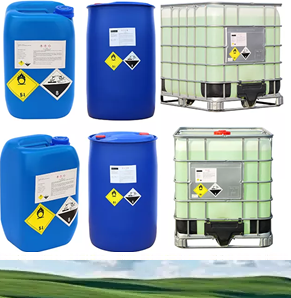
- Logistics Expertise: Chemicals in this purity range often have specific shipping requirements (Hazmat). We handle the compliance paperwork so you don’t have to.
Industrial Applications: Where is this Purity Used?
1. Water Treatment and Sanitation
Municipal and industrial water treatment plants use chemicals at 65–70% purity for pH adjustment and pathogen neutralization. The high concentration ensures that storage tanks remain efficient without needing excessive floor space for lower-concentration bulk liquids.
2. The Semiconductor Industry
In the cleaning of silicon wafers, precision is everything. While ultra-high purity is used for the final steps, the initial bulk cleaning of equipment and sub-strates often utilizes 70% concentration acids to strip away inorganic residues cost-effectively.
3. Pharmaceutical Manufacturing
Solvent extraction processes often require specific concentrations of reagents. By utilizing 70% isopropyl alcohol or other solvents, laboratories can maintain consistent reaction kinetics during the synthesis of Active Pharmaceutical Ingredients (APIs).
Best Practices for Handling 65% – 70% Purity Chemicals
Working with chemicals of this potency requires strict adherence to safety protocols.
- PPE (Personal Protective Equipment): Always wear chemical-resistant gloves (nitrile or neoprene), safety goggles, and a chemical-resistant apron.
- Ventilation: Use these chemicals in a well-ventilated area or under a fume hood. Concentrations of 70% can release fumes that are harmful if inhaled over long periods.
- Storage: Keep these chemicals in their original containers. Ensure they are stored away from incompatible materials—for example, keep oxidizers away from organic solvents to prevent potential fire hazards.
- Spill Mitigation: Ensure your facility is equipped with appropriate neutralizing agents (like sodium bicarbonate for acid spills) and spill kits.
The Role of Purity in Sustainable Manufacturing
The focus on “Green Chemistry” has led to a shift in how these chemicals are used. Using a 70% concentration rather than a 99% concentration can sometimes be more environmentally friendly—it requires less energy-intensive distillation during the manufacturing process, thereby reducing the carbon footprint of the end user. When you buy from ChemicalsSuppliers.com, you are choosing a supplier that prioritizes efficient, sustainable sourcing.
How to Source: A Step-by-Step Guide
- Assess Your Needs: Determine the exact volume and hazard classification of the chemical you require.
- Verify Specifications: Check the technical data sheet to ensure 65–70% purity is suitable for your specific application.
- Visit ChemicalsSuppliers.com: Browse our extensive catalog.
- Request a Quote: For bulk orders, use our contact form to receive a volume-discounted price.
- Regulatory Compliance: Ensure you have the necessary permits for receiving industrial-grade chemicals in your region.
Frequently Asked Questions (FAQ)
Q: Can I dilute 99% purity chemicals to reach 70%?
A: While possible, it is often discouraged due to the risks involved in “home-lab” dilution—especially with exothermic reactions (like diluting strong acids). It is safer to purchase the 70% concentration directly from an industrial supplier.
Q: Is 70% purity considered “Academic Grade”?
A: No, 70% is usually considered “Technical” or “Industrial” grade. Academic research typically requires “ACS Reagent Grade,” which is 99%+ pure.
Q: Does the remaining 30% water affect the reaction?
A: In some reactions, the water is a necessary component. In others, it may be a hindrance. Always consult your chemical engineering documentation before substituting purity levels.
Q: Are there international shipping restrictions on these chemicals?
A: Yes. Many chemicals in the 65–70% concentration range are classified as “Dangerous Goods.” International shipping requires specific permits, Hazmat packaging, and specialized carriers. We at ChemicalsSuppliers.com specialize in identifying the correct shipping classification for your region.
Conclusion: Why Reliability Matters
The concentration of a chemical dictates the outcome of your process. At 65–70%, you are dealing with powerful, effective, and economical tools. Whether you are scaling up production or maintaining a laboratory, consistency is key.
At ChemicalsSuppliers.com, we pride ourselves on being the global choice for businesses that cannot afford to compromise on purity or quality. Explore our range of industrial chemicals today and experience the difference that professional-grade supply chain management can make to your operations.
Get started by browsing our full chemical catalog and finding the right purity for your application.
External Resources for Further Learning:
Keywords: Chemical Purity, 70% Concentration, Industrial Grade Chemicals, Nitric Acid 70 Percent, Hydrogen Peroxide 70, Isopropyl Alcohol 70, Chemical Suppliers, Industrial Cleaning Supplies, Laboratory Reagents, Technical Grade Chemicals, Buy Chemicals Online, Chemical Safety Data, High Purity Solvents, Bulk Chemical Purchasing, Chemical Manufacturing Standards, Concentration Percentage Explained, PH Adjustment Chemicals, Industrial Oxidizers, Solvent Purity, Chemical Supply Chain, Chemical Procurement, Where to buy bulk chemicals, Chemical Grade Definitions, Material Safety Data Sheets, Industrial Etchants, Chemical Hazards and Handling.