60% – 65% Chemical Purity Concentration: A Comprehensive Guide for Industrial and Laboratory Applications
Industrial chemistry, the concept of chemical purity concentration is the bedrock upon which successful manufacturing, pharmaceutical development, and scientific research are built. Whether you are operating a high-scale production facility or managing a specialized laboratory, understanding why specific concentrations—such as the 60% to 65% purity range—are critical is essential for efficiency, safety, and regulatory compliance.
At ChemicalsSuppliers.com, we recognize that procuring high-quality reagents is not just about the transaction; it is about the reliability of the outcome. In this guide, we will dive deep into the technical specifications, industrial applications, pricing structures, and logistical considerations of chemicals maintained at the 60%–65% concentration threshold.
What Does 60%–65% Chemical Purity Mean?
When we talk about a 60% to 65% concentration percentage, we are referring to the mass or volume fraction of the active chemical ingredient in a solvent (usually water or an organic carrier).
In many industrial processes, “pure” (100%) chemicals are not always practical, stable, or cost-effective. A chemical at 60–65% purity is often considered a “concentrated grade” that balances stability with efficacy. Many strong acids, bases, and oxidizing agents are manufactured at these concentrations because increasing the percentage further can lead to volatility, hazardous fumes, or rapid degradation.
Why This Specific Range?
- Safety Logistics: Transporting chemicals at >90% purity often requires specialized hazardous material protocols. The 60–65% range is often the “sweet spot” for shipping safety.
- Reactivity Control: Many chemical reactions are exothermic. Using a 60% concentration allows for better control over the reaction rate compared to using a pure, undiluted equivalent.
- Cost-Effectiveness: Purifying chemicals to 99.9% significantly increases the manufacturing cost. For many industrial applications (e.g., metal cleaning, water treatment), 60% is sufficient.
Notable Examples of Chemicals at 60–65% Purity
Several common chemicals are frequently traded and utilized in this specific concentration bracket.
1. Nitric Acid ($HNO_3$)
Nitric acid is rarely used in its fuming (100%) state due to safety hazards. A 60–65% concentration is the standard commercial grade. It is widely used in the production of fertilizers, explosives, and for metal etching in the electronics industry.
2. Hydrogen Peroxide ($H_2O_2$)
While household peroxide is 3%, industrial-grade hydrogen peroxide often comes in higher concentrations. A 60–65% solution is extremely powerful and serves as a bleaching agent in the paper and pulp industry and as a concentrated oxidizer for chemical synthesis.
3. Fluoboric Acid ($HBF_4$)
Commonly supplied as a 48–50% solution, it is frequently customized or concentrated to near 60% for specific electroplating processes and as a catalyst in polymerization.
4. Various Specialized Surfactants and Acids
Many industrial degreasers and cleaning agents utilize active ingredients concentrated at 60–65% to ensure they remain liquid at room temperature and are easy to dilute in large-scale mixing tanks.
The Industrial Importance of 60–65% Concentration
Why do procurement managers and lab directors specifically search for this concentration? It comes down to standardization.
Manufacturing Efficiency
If a process requires a specific molarity, having a consistent 60% feedstock allows for predictable dilution ratios. In large-scale batch manufacturing, minor fluctuations in purity can lead to failed batches, costing companies thousands of dollars. Sourcing from a verified supplier like ChemicalsSuppliers.com ensures that the 60–65% label is accurate and certified via Certificate of Analysis (CoA).
Environmental and Regulatory Compliance
The Environmental Protection Agency (EPA) has strict guidelines on the transport and storage of hazardous chemicals. Chemicals kept at 60–65% concentration often fall into more manageable transport categories compared to their highly concentrated counterparts, making the supply chain movement smoother and safer.
Pricing Analysis: What to Expect
Pricing for chemicals is influenced by global supply chains, energy costs, and the complexity of the synthesis process. When purchasing chemicals in the 60–65% purity category, prices can fluctuate based on:
| Chemical Type |
Estimated Price Range (per KG/L) |
Market Variability |
| Nitric Acid (60-65%) |
$3.50 – $8.00 |
High (Raw Nitrogen cost) |
| Hydrogen Peroxide (60%) |
$5.00 – $12.00 |
Moderate (Energy intensive) |
| Specialized Catalysts |
$45.00 – $150.00 |
Low (Niche demand) |
Note: These prices are estimates and vary based on bulk volume orders, shipping logistics, and current market shifts. For real-time quotes, visit ChemicalsSuppliers.com.
Factors That Influence Price:
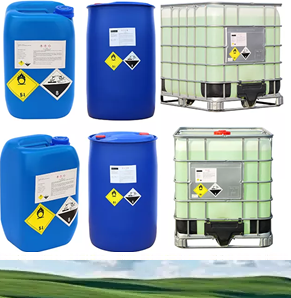
- Bulk vs. Retail: Buying in “tote” containers (1000L) significantly reduces the unit cost compared to 20L carboys.
- Purity Verification: Does the chemical meet ISO standards? Lab-grade chemicals cost more than technical-grade chemicals due to the documentation and testing involved.
- Logistics: Dangerous goods (DG) shipping carries surcharges. The closer the supplier is to your facility, the better the margin.
Where to Buy: Choosing the Right Supplier
The internet is flooded with chemical distributors, but not all are created equal. When sourcing chemicals with a specific 60–65% concentration, you need a partner that provides:
- Analytical Data: Every shipment should include a Certificate of Analysis (CoA) verifying the 60–65% purity range.
- Safety Documentation: Comprehensive Material Safety Data Sheets (MSDS) or Safety Data Sheets (SDS).
- Reliable Logistics: The ability to handle hazardous cargo in compliance with local and international law.
We have built a reputation for connecting industrial buyers with high-quality chemical stocks. Our catalog features:
- Consistent Quality Control: We work with manufacturers who maintain strict 60–65% concentration tolerances.
- Scalability: Whether you need a test sample or a tanker load, our infrastructure supports your growth.
- Expertise: Our team understands the nuances of chemical storage and handling.
By visiting our homepage, you can browse our full inventory and request a customized quote based on your specific purity requirements.
Best Practices for Handling 60%–65% Chemical Solutions
Safety is non-negotiable. Even at 60% concentration, many chemicals are highly reactive, corrosive, or toxic.
- Storage Requirements: Always store chemicals in compatible containers (e.g., HDPE plastic for acids, glass for specific solvents). Ensure secondary containment is used to prevent leaks.
- Personal Protective Equipment (PPE): At this concentration, standard latex gloves are usually insufficient. Use Nitrile or Butyl rubber gloves, chemical-resistant aprons, and full-face shields.
- Temperature Control: Many concentrated chemicals are sensitive to temperature shifts. Keep them in a cool, ventilated, and climate-controlled environment to maintain their 60–65% integrity and prevent pressure build-up.
- Ventilation: Use fume hoods or local exhaust ventilation. At 60% concentration, the vapor pressure of volatile liquids can irritate the respiratory system quickly.
Future Trends in Chemical Purity
The industry is shifting toward “Green Chemistry.” Modern suppliers are looking at how to maintain the effectiveness of 60–65% solutions while reducing the environmental impact of the solvents used. Furthermore, digitalization in the supply chain—such as blockchain-tracked purity verification—is becoming a standard expectation for high-end manufacturing.
At ChemicalsSuppliers.com, we are at the forefront of these trends, ensuring that our clients receive not only the chemicals they need but the documentation and sustainability support required to thrive in a modern marketplace.
Conclusion: Securing Your Supply Chain
Maintaining a consistent 60% to 65% chemical purity concentration is vital for the success of your industrial operations. From the consistency of your finished goods to the safety of your laboratory team, every drop counts.
Don’t settle for ambiguous labels or unreliable suppliers. Whether you are looking for bulk Nitric Acid, concentrated Peroxide, or specialized reagents, the experts at ChemicalsSuppliers.com are here to support your procurement needs.
Take the next step:
- Browse our catalog here.
- Contact our sales team for bulk pricing inquiries.
- Download our safety guides to ensure your team is trained on proper handling procedures.
By prioritizing quality and transparency, ChemicalsSuppliers.com ensures that your business keeps running smoothly, safely, and efficiently.
Frequently Asked Questions (FAQ)
Q: Can I dilute a 65% chemical to 60% myself? A: Yes, using deionized water. However, always exercise extreme caution, especially when diluting strong acids, as the process is highly exothermic (produces heat). Always add the chemical to the water, never the water to the chemical.
Q: Does 60% concentration mean it is “impure”? A: Not necessarily. In chemistry, “purity” refers to the absence of contaminants. If a product is 60% active ingredient and 40% water (a known, intentional carrier), it is considered “pure” at that specific concentration.
Q: Where can I find the SDS for my purchase? A: All products ordered through ChemicalsSuppliers.com come with a link to the relevant Safety Data Sheet.
External Resources and References
Tags
#ChemicalPurity #60PercentConcentration #65PercentPurity #IndustrialChemicals #NitricAcidSupply #HydrogenPeroxideIndustrial #ChemicalSuppliers #LabReagents #ChemicalProcurement #ChemicalSafety #IndustrialManufacturing #ChemicalWholesale #HighPurityChemicals #ChemicalDistributor #ChemicalLogistics #ScienceEquipment #IndustrialCleaningChemicals #ChemicalSolutions #ChemicalSupplyChain #LiquidConcentrates #LaboratorySupplies #ProcessChemistry #ChemicalSynthesis #IndustrialSafety #HazardousMaterialsHandling #ChemicalsForSale #BulkChemicals #ChemicalQualityControl #ChemicalFormulation #ChemicalEngineering