The 55%–60% Chemical Purity Concentration: A Comprehensive Guide for Industrial and Laboratory Applications
World of chemical manufacturing, synthesis, and industrial processing, precision is everything. Whether you are working in pharmaceutical development, water treatment, material science, or large-scale manufacturing, the concentration of your reagents dictates the success of your reactions. Among the various grades of purity available on the market, the 55% to 60% chemical purity concentration occupies a critical “sweet spot.”
At Chemicals Suppliers, we recognize that finding high-quality chemicals within this specific concentration range can be challenging. Many suppliers focus on either low-grade industrial bulk or ultra-high purity analytical reagents. Finding the balance between cost-effectiveness and performance is where the 55%–60% range shines.
In this guide, we will explore why this concentration—often referred to as a medium-to-high potency grade—is essential, which chemicals are commonly utilized at this level, and how you can source them reliably.
Why the 55%–60% Concentration Matters
When researchers or operations managers specify a 55%–60% concentration, they are usually looking for a product that avoids the dilution issues of lower grades while bypassing the prohibitive costs of 99%+ reagent-grade chemicals.
The Logic of Mid-Range Concentration
- Reaction Kinetics: Some chemical processes are exothermic or volatile. Using a 100% pure reagent can lead to runaway reactions. A 55%–60% concentration acts as a natural “buffer,” providing enough active ingredient for the reaction to proceed while maintaining a manageable reaction rate.
- Cost Efficiency: For large-scale industrial processes, such as wastewater treatment or agricultural formulation, the marginal gain of moving from 60% to 99% purity is often negligible compared to the skyrocketing costs.
- Stability: Chemicals at this concentration are frequently more stable for storage and shipping. Highly concentrated reagents can be prone to crystallization or degradation over time; the 55%–60% range often offers better shelf-life stability.
Common Chemicals Found in the 55%–60% Purity Range
Many essential industrial chemicals are manufactured and sold specifically in this concentration window. Below are some of the most prominent examples:
1. Nitric Acid (60% Concentration)
Nitric acid is a cornerstone of the chemical industry. While fuming nitric acid is much higher in concentration, standard industrial-grade nitric acid is almost exclusively sold at the 60% concentration level.
- Applications: Fertilizer production, metal etching, and as an oxidizer in liquid-fueled rockets.
- Why 60%? It is the “azeotropic” point, making it highly stable for transport and storage, preventing the more dangerous properties of stronger, fuming nitric acid.
2. Sulfuric Acid Solutions
While concentrated sulfuric acid is usually 98%, many manufacturing applications require a diluted version to prevent damage to equipment or to facilitate specific reaction parameters. Dilutions to the 55%–60% range are standard in lead-acid battery manufacturing and certain mineral processing applications.
3. Hydrogen Peroxide (55%–60% Grade)
High-strength hydrogen peroxide is a powerful bleaching and oxidizing agent. While household peroxide is 3%, industrial applications in the pulp, paper, and textile industries often utilize 55%–60% concentrations to achieve rapid oxidation without the extreme safety risks associated with 70%+ grades (which are explosive).
4. Phosphoric Acid
Phosphoric acid is commonly traded as a 55%–60% aqueous solution, particularly in the food and agricultural sectors. It serves as a rust remover, a pH regulator, and a critical component in the production of phosphate fertilizers.
5. Sodium Hydroxide (Caustic Soda) Solutions
While often supplied as solid pellets, industrial liquid caustic soda is frequently sold in concentrations ranging from 30% to 60%. The 55% concentration is preferred in large-scale soap manufacturing and chemical synthesis because it is liquid at room temperature and easier to dose via automated pumping systems.
Price Analysis: What to Expect
Pricing in the chemical industry is fluid and depends on global logistics, raw material availability (such as sulfur, natural gas, and bauxite), and regulatory compliance costs.
- Bulk Industrial Pricing: For companies purchasing in metric tons, chemicals at 60% concentration generally follow a pricing model tied to the “per unit of active ingredient” cost. You can expect to pay anywhere from $0.40 to $1.50 per kg for bulk orders, depending on the chemical type.
- Laboratory/Specialty Grade: If you are purchasing 55%–60% reagent-grade chemicals for research, expect a premium for purity certification and specialized packaging. Prices can reach $15 to $50 per liter for high-purity, documented reagent grades.
To get the most accurate, up-to-date pricing for specific compounds, visit Chemicals Suppliers and use our quote request form. We provide transparent pricing structures for both small-batch researchers and large-scale industrial buyers.
Where to Buy: Ensuring Quality and Reliability
When buying chemicals in the 55%–60% range, you are not just buying the substance; you are buying the Certification of Analysis (CoA). An impure chemical can lead to “poisoned” catalysts, ruined batches, and potential safety hazards.
- Rigorous Quality Control: Every shipment undergoes batch testing to ensure the concentration is exactly within your requested parameters.
- Transparent Documentation: We provide full MSDS (Material Safety Data Sheets) and CoA documentation with every purchase.
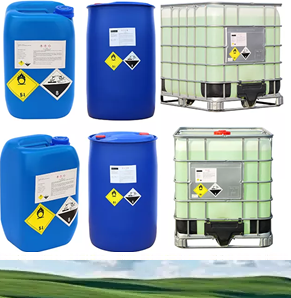
- Global Logistics: We understand the complexities of shipping hazardous and non-hazardous chemicals. We ensure that our packaging complies with international safety standards (UN-approved containers).
- Wide Inventory: From acids to bases and specialized proprietary formulations, our warehouse is stocked to handle the diverse needs of modern industry.
Ready to place an order? Browse our catalog here and discover why industry leaders trust us as their primary source for high-purity chemical reagents.
Safety and Best Practices for Handling Mid-Concentration Chemicals
Even though 55%–60% concentration is safer than 99% pure chemicals, do not be fooled into complacency. Chemicals at this level can still cause severe chemical burns, respiratory issues, and environmental damage.
Essential Personal Protective Equipment (PPE)
- Eye Protection: Always wear chemical-resistant goggles. A face shield is recommended when transferring large quantities.
- Gloves: Use Nitrile or Neoprene gloves. Check the breakthrough time for the specific chemical you are handling.
- Ventilation: Inhalation of vapors is a significant risk. Always work under a laboratory fume hood or in an area with industrial-grade local exhaust ventilation.
- Secondary Containment: Ensure that storage vessels are kept within a secondary containment tray to prevent spills from reaching floors or reacting with other materials.
Storage Protocols
- Segregation: Never store acids and bases together, even at 50% concentration.
- Climate Control: Store in a cool, dry, well-ventilated location away from direct sunlight.
- Labeling: Maintain clear, legible labels that denote the concentration percentage and the date of receipt.
The Future of Chemical Sourcing
The global chemical supply chain is evolving. With the rise of digital marketplaces, the days of relying on local opaque suppliers are gone. Today, the focus is on supply chain visibility.
At Chemicals Suppliers, we are leveraging technology to integrate our inventory management with our clients’ procurement systems. We provide:
- Just-in-Time Delivery: Reducing your inventory holding costs.
- Batch Tracking: Full traceability from the manufacturer to your facility.
- Technical Support: Access to chemists who can help you determine the optimal concentration for your specific application.
Frequently Asked Questions (FAQs)
1. Is 60% purity considered “reagent grade”?
It depends on the chemical. For some, like Nitric acid, 60% is essentially the standard. For others, reagent grade usually implies 99%+. Always check the specific grade (ACS, USP, NF, or technical grade) before buying.
2. Can I dilute 99% chemicals to 60% myself?
Technically, yes, but it is highly discouraged. Diluting highly concentrated acids and oxidizers is extremely exothermic and dangerous. It is always safer and more cost-effective to buy the chemical at the concentration you need.
Yes, we work with a network of logistics partners to ensure that our chemicals reach your facility safely, complying with all international maritime and ground transport regulations.
4. What if I need a custom concentration?
We specialize in custom blending. If your process requires a non-standard concentration, contact our sales department. We can formulate solutions to your exact specifications.
Conclusion: Partnering with Chemicals Suppliers
The 55%–60% chemical purity concentration remains a vital component of industrial success. Whether you are scaling up a pilot project or maintaining a full-scale manufacturing line, having a reliable partner is the difference between a smooth operation and a costly delay.
At Chemicals Suppliers, we are committed to providing the consistency, safety, and pricing that your business demands. We invite you to explore our website, review our documentation, and reach out to our team for your next procurement cycle.
Visit us today at https://www.chemicalssuppliers.com/ and experience a better way to source high-quality chemical inputs.
External Resources for Further Learning
Tags
#ChemicalPurity #ConcentrationPercentage #ChemicalSuppliers #IndustrialChemicals #LabReagents #ChemicalSourcing #NitricAcid60 #SulfuricAcidSolutions #HydrogenPeroxide55 #ChemicalManufacturing #LaboratoryMaterials #B2BChemicals #HighPurityChemicals #ChemicalSupplyChain #IndustrialChemistry #SafeChemicalHandling #BuyChemicalsOnline #ChemicalWholesale #ChemicalEngineering #ScientificSupplies #ReagentGrade #TechnicalGradeChemicals #ChemicalDistribution #GlobalChemicalMarket #ChemicalSafety #AcidConcentration #BaseConcentration #ProcessChemistry #LabEquipment #ChemicalProcurement