A Guide to 5% – 15% Chemical Purity Concentrations: Industrial Applications, Safety, and Sourcing
Industrial chemistry and laboratory research, the “purity concentration” of a substance is the single most important factor determining the success of an experiment or the efficiency of a manufacturing process. While high-purity (99%+) chemicals often dominate headlines, the 5% to 15% purity range is the workhorse of the global economy. From household maintenance and food processing to advanced petrochemical syntheses, these specific concentrations are engineered for safety, cost-effectiveness, and precise reactivity.
If you are a procurement specialist, laboratory manager, or industrial chemist, understanding why and how to source chemicals within the 5%–15% concentration bracket—and where to find reliable suppliers like ChemicalsSuppliers.com—is vital for your operational success.
Understanding Chemical Purity Concentrations
What Does “Purity Concentration” Really Mean?
When we refer to a chemical solution having a 5% to 15% purity, we are talking about the mass or volume fraction of the active solute within a solvent (usually water, alcohols, or specific buffers).
In industrial jargon, this is often referred to as:
- Active Ingredient Concentration
- Effective Molarity/Normality
- Diluted Industrial Grade
- Stable Solution Strength
These specific ranges are often chosen because they represent the “Goldilocks zone.” At concentrations below 5%, the chemical may be too weak to trigger the necessary reaction. Above 15%, the substance might become hazardous to handle, volatile, or prone to rapid degradation.
Why 5% – 15%? The Engineering Logic
1. Safety and Hazard Mitigation
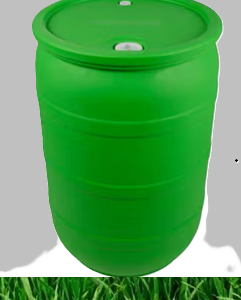
Working with 100% pure acids or bases (like concentrated Sulfuric Acid or Sodium Hydroxide) is inherently dangerous. It requires specialized PPE, fume hoods, and rigorous spill-containment protocols. By sourcing chemicals at 5%–15% concentration, industrial facilities significantly lower their risk profile. This range is often stable enough to be stored in standard chemical-resistant HDPE containers rather than specialized, high-pressure glass or stainless steel vessels.
2. Economic Efficiency
Purchasing high-purity chemicals and diluting them in-house is not always cost-effective. You incur the cost of the concentrated chemical, the labor cost for dilution, the cost of deionized water or high-grade solvents, and the potential waste generated during the mixing process. Buying pre-diluted 5%–15% concentrated chemicals ensures you receive a product at the exact specification required for your machinery, reducing overhead.
3. Precision and Consistency
When your process requires a delicate touch—such as pH adjustment in wastewater treatment or surface etching in micro-manufacturing—the 5%–15% range provides a buffer against human error. A slight over-pour of a 10% solution is far less catastrophic than an equivalent error with a 99% concentrate.
Key Examples of 5% – 15% Purity Chemicals
To better understand where these concentrations fit, let’s look at some of the most common chemicals utilized in this range worldwide.
1. Acetic Acid (Vinegar Solutions)
- Purity: 5% – 10%
- Applications: Food processing, descaling, mild industrial cleaning.
- Why this range: Highly effective at removing mineral deposits while remaining safe for human contact or environmental discharge.
2. Sodium Hypochlorite (Bleach)
- Purity: 5% – 12.5%
- Applications: Sterilization, water treatment, textiles.
- Why this range: At 12.5%, sodium hypochlorite serves as a powerful antimicrobial agent. Higher concentrations are notoriously unstable and prone to decompose into oxygen and salt.
3. Hydrochloric Acid (Muriatic Acid)
- Purity: 10% – 15%
- Applications: Pool pH management, masonry cleaning, metal pickling.
- Why this range: Muriatic acid at 15% is the standard for construction and pool maintenance because it is powerful enough to strip mortar but manageable for professional contractors to transport safely.
4. Hydrogen Peroxide
- Purity: 6% – 12%
- Applications: Pulp and paper bleaching, medical sterilization, wastewater treatment.
- Why this range: 12% Hydrogen Peroxide is the “workhorse” concentration for removing stubborn organic stains and disinfecting large-scale industrial equipment.
Sourcing chemicals is not just about price; it is about compliance, purity certification, and supply chain reliability. In an era of global shortages, having a partner that provides transparent COA (Certificate of Analysis) documentation is non-negotiable.
The Advantage of Sourcing from ChemicalsSuppliers.com:
- Strict Quality Control: Every shipment of 5%–15% chemical solutions undergoes rigorous testing to ensure the concentration levels are exactly as labeled.
- Global Logistics: Whether you are in Europe, Asia, or the Americas, ChemicalsSuppliers.com manages the complexities of hazardous materials shipment so you don’t have to.
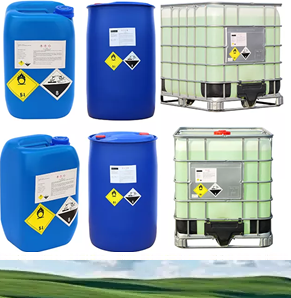
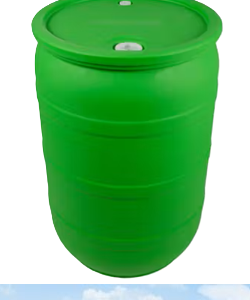
- Scalability: From small-batch research volumes to industrial-scale drums and IBC (Intermediate Bulk Container) totes, the inventory is designed to grow with your business needs.
Price Analysis (Estimates for 5%–15% Grade Chemicals)
Pricing for these chemicals fluctuates based on global supply chains, energy costs, and regulatory impacts. Below is a general pricing guide for industry-standard containers (20L to 200L drums):
| Chemical |
Concentration |
Estimated Price Range (per Liter) |
| Sodium Hypochlorite |
10% |
$0.80 – $1.50 |
| Hydrochloric Acid |
15% |
$1.20 – $2.00 |
| Hydrogen Peroxide |
12% |
$1.50 – $2.50 |
| Acetic Acid |
10% |
$2.00 – $3.50 |
Note: Prices are subject to market volatility. Contact ChemicalsSuppliers.com for real-time quotes and bulk discount structures.
Safety Protocols for Handling 5%–15% Solutions
Even at lower concentrations, chemicals are not “harmless.” Proper laboratory and industrial habits are essential.
Personal Protective Equipment (PPE)
- Eye Protection: Chemical splash goggles are mandatory.
- Hand Protection: Use nitrile or neoprene gloves. Latex is often insufficient for acidic or basic solutions.
- Respiratory Protection: While 5%–15% solutions emit fewer fumes than concentrates, always work in well-ventilated areas.
Storage Standards
- Segregation: Never store acids and bases together, even at 10% concentration.
- Containment: Place all containers in secondary containment trays to prevent leaks from compromising your facility floor.
- Labeling: Ensure every bottle or drum contains the full concentration percentage, date of receipt, and GHS-compliant hazard symbols.
The Environmental Imperative: Responsible Disposal
Using 5%–15% chemicals necessitates a robust waste management strategy. Because these chemicals are active, they must be neutralized before being discharged into the sanitation system.
Many suppliers, including those aligned with ChemicalsSuppliers.com, provide guidance on chemical neutralization protocols. Always consult your local environmental protection agency (such as the EPA in the US or ECHA in the EU) regarding specific discharge limits for your industry.
How to Order from ChemicalsSuppliers.com
- Research: Use the search bar on https://www.chemicalssuppliers.com/ to find the chemical Name or CAS number.
- Verify Specifications: Check the product page for the concentration percentage (e.g., 10% NaOH).
- Request a Quote: Click the “Get Quote” button to receive a personalized price based on your shipping location and volume.
- Confirm Compliance: Our team will reach out to ensure that your facility is equipped to handle the shipment.
Industry-Specific Applications
1. Pharmaceutical Manufacturing
In the synthesis of active pharmaceutical ingredients (APIs), the 5%–15% range is often used during the purification stages or in the cleaning of glass-lined reactors to ensure no contaminants remain.
2. Agriculture
Fertilizer enhancement and soil pH correction often require specifically diluted acids or alkaline solutions. Farmers utilize 15% concentration formulas to ensure rapid uptake within irrigation systems without damaging the infrastructure.
3. Food & Beverage
From the sanitization of bottling lines to the adjustment of acidity in juices, the 5%–15% range is the standard. Food-grade chemicals are essential here, and ChemicalsSuppliers.com sources only those that meet international food safety requirements.
Frequently Asked Questions (FAQ)
Can I dilute 99% chemicals to 10% myself?
While technically possible, it is not recommended for most businesses. The heat of dilution (especially for acids) can be dangerous, and the risk of contamination during the dilution process is high. Buying pre-diluted ensures strict quality control.
How long do 5%–15% chemicals last?
Stability varies. Sodium hypochlorite, for example, has a shorter shelf life, while mineral acids are generally stable for years if stored properly away from sunlight and extreme temperatures.
Do I need a license to buy these chemicals?
It depends on your jurisdiction and the chemical in question. Some substances are regulated as precursors. ChemicalsSuppliers.com will guide you through any necessary documentation required for your purchase.
Conclusion
The 5%–15% purity concentration range represents the perfect intersection of industrial utility and manageable risk. Whether you are scaling a production line or maintaining sensitive laboratory equipment, choosing the right supplier is the bedrock of your success.
By leveraging the professional sourcing capabilities of ChemicalsSuppliers.com, you gain more than just a product; you gain a partner committed to safety, consistency, and global regulatory compliance. Visit us today to streamline your supply chain and ensure your processes run at peak efficiency.
External References & Resources:
#ChemicalPurity #ChemicalConcentration #ChemicalSuppliers #IndustrialChemicals #LabSupplies #ChemicalSolutions #5PercentConcentration #15PercentConcentration #ChemicalProcurement #RawMaterials #LaboratorySafety #ChemicalManufacturing #IndustrialGradeChemicals #ChemicalSupplyChain #ChemicalProcessOptimization #ChemicalsSuppliers #SourcingChemicals #ActiveIngredient #ConcentrationPercentage #ChemicalDistribution