Understanding 45% – 50% Chemical Purity Concentration: A Guide for Industrial and Laboratory Applications
Complex world of industrial chemistry, the concept of chemical purity concentration is a cornerstone of efficiency, safety, and product quality. Whether you are working in pharmaceutical synthesis, water treatment, agricultural engineering, or advanced manufacturing, understanding the implications of a 45% to 50% concentration level is critical.
At Chemicals Suppliers, we recognize that sourcing the right reagents at the correct potency can be the difference between a successful batch and a costly error. This guide aims to provide a deeper, more technical understanding of 45%–50% purity solutions, how to calculate them, their common industrial applications, and how to source them reliably.
What Does 45% – 50% Chemical Purity Actually Mean?
When you see a chemical labeled with a concentration of 45% to 50%, it refers to the mass-to-mass (w/w) or mass-to-volume (w/v) ratio of the active solute dissolved in a solvent (usually water or an organic solvent).
For example, a 50% aqueous solution of a chemical means that for every 100 grams of the total solution, 50 grams are the pure chemical agent, and the remaining 50 grams are the solvent.
Why This Range (45% – 50%)?
This specific concentration range is often referred to as the “industrial sweet spot” for several reasons:
- Stability: Solutions at 50% are often more stable than 99% (reagent grade) chemicals, which may be hygroscopic or prone to crystallization.
- Safety: High-concentration reagents (like 98% sulfuric acid) can be violently reactive. A 50% solution allows for controlled reactions while still providing high molecular density.
- Transport Economics: Shipping 100% pure solids or gases often requires expensive hazardous materials handling. 50% solutions are easier to store and transport via standard industrial logistics.
Key Chemicals Frequently Offered at 45% – 50% Concentration
Several essential industrial chemicals are most effectively used at this concentration level. Below are a few examples commonly requested by our clients at Chemicals Suppliers.
1. Sodium Hydroxide (Caustic Soda) – 50% Solution
Sodium Hydroxide (NaOH) is perhaps the most famous chemical utilized at a 50% concentration.
- Application: Used extensively in the pulp and paper industry, soap manufacturing, and as a pH regulator in water treatment.
- Why 50%? Pure NaOH is a solid bead that absorbs moisture from the air (hygroscopic) and is difficult to weigh accurately. A 50% liquid solution is much easier to pump, meter, and blend into industrial processes.
2. Hydrogen Peroxide (H2O2) – 50% Grade
- Application: Used as a powerful bleaching agent in textiles and paper, and as a disinfecting oxidant in environmental remediation.
- Why 50%? While peroxide can reach higher concentrations, 50% is the standard for heavy-duty industrial bleaching, providing the necessary oxidation potential without becoming excessively explosive or unstable.
3. Potassium Hydroxide (KOH) – 45% Concentration
- Application: Often used in the production of soft soaps, liquid fertilizers, and as an electrolyte in alkaline batteries.
- Why 45%? It offers an optimal balance between solubility and reactivity, preventing the solution from freezing or crystallizing in cold-weather storage environments.
4. Ferric Chloride – 40% – 50% Solutions
- Application: Primarily used as a flocculant in sewage treatment and drinking water production, as well as an etchant for printed circuit boards (PCBs).
- Why 50%? It provides high ionic strength for rapid coagulation of particulates in water treatment systems.
Pricing Considerations: The 45% – 50% Factor
Pricing for chemicals at this purity level is influenced by several market dynamics. Unlike commodity goods, specialty chemical pricing shifts based on the Global Feedstock Index.
| Chemical Compound |
Typical Concentration |
Estimated Market Price (Bulk/Metric Ton) |
| Sodium Hydroxide |
50% |
$450 – $750 USD |
| Hydrogen Peroxide |
50% |
$600 – $900 USD |
| Potassium Hydroxide |
45% |
$800 – $1,200 USD |
| Ferric Chloride |
45% |
$300 – $550 USD |
Note: Prices reflect market volatility and fluctuate based on shipping costs, supply chain disruptions, and purity grade (e.g., Technical vs. Food Grade). Always request a quote at Chemicals Suppliers for the most accurate, real-time pricing.
Determining Your Required Purity Level
Choosing between a 45% solution and a 99% solid requires an engineering analysis of your system:
- Volume Constraints: Do you have the infrastructure (pumps, metering valves) to handle liquid reagents?
- Safety Protocols: Can your facility manage the risks associated with highly concentrated chemicals?
- Application Requirements: Does your chemical reaction require an aqueous environment? If so, starting with a 50% solution is cheaper and more efficient than dissolving 100% pure technical grade pellets yourself.
The Importance of Solvent Quality
At 45% concentration, you are essentially purchasing a product that is 50-55% solvent. If that solvent (usually deionized water) contains impurities, it can compromise your final product. At Chemicals Suppliers, we ensure that our dilution processes utilize purified, demineralized water, ensuring that the “hidden 50%” of your purchase does not introduce unwanted contaminants like heavy metals or chlorides.
Logistics, Storage, and Handling of 45% – 50% Chemicals
Handling chemicals in this concentration range requires specialized industrial knowledge.
Storage Tank Materials
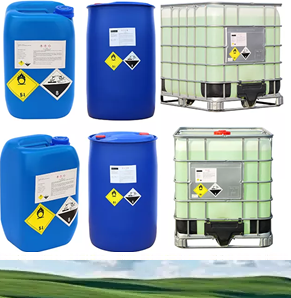
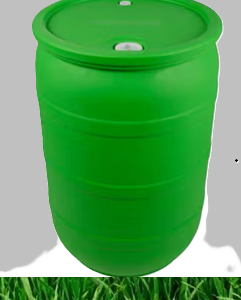
- High-Density Polyethylene (HDPE): Excellent for most 50% solutions.
- Stainless Steel (316L): Sometimes required for specific chemical concentrations, though improper cleaning can lead to pitting.
- Temperature Control: 45% concentrations often have different freezing points than their 100% counterparts. For instance, 50% caustic soda can freeze at roughly 12°C (54°F). If you live in a colder climate, specialized heat-traced storage tanks are mandatory.
PPE (Personal Protective Equipment)
Regardless of whether a chemical is 45% or 99%, chemical burns are a major risk. Always utilize:
- Chemical-resistant gloves (Nitrile or Butyl rubber).
- Full-face shields.
- Acid/Base resistant aprons.
- Emergency eyewash stations located within 10 seconds of the storage area.
Finding a reliable supplier for 45% to 50% concentration chemicals is a challenge in a market filled with distributors who prioritize volume over quality control. We differentiate ourselves through:
- Analytical Transparency: Every batch of our 45%–50% chemicals comes with a Certificate of Analysis (COA). You will know exactly what is in the other 50% of the solution.
- Global Logistics: We maintain supply chains that allow us to deliver high-quality chemicals across borders, adhering to strict international hazardous material regulations.
- Direct Sourcing: By cutting out the middleman, we provide better pricing for our industrial partners.
- Knowledgeable Support: Our team acts as a technical resource, helping you determine if a 45% concentration is the right fit or if you require a different dilution grade for your specific machinery.
How to Order
Purchasing industrial-grade chemicals should be a streamlined process. At Chemicals Suppliers, we have simplified the steps:
- Browse our Catalog: Visit our website to see our current stock of industrial reagents.
- Request a Quote: Specify your concentration, volume, and location. Our automated system or sales team will provide a tailored quote covering shipping and logistics.
- Safety Verification: We verify your industrial credentials to ensure that sensitive chemical compounds are handled by authorized facilities.
- Logistics Coordination: Once approved, your order is dispatched using specialized transporters.
Click here to visit Chemicalssuppliers.com and Request a Quote Today!
Frequently Asked Questions (FAQ)
1. Is 50% strength considered dangerous?
Yes. Many chemicals at 50% concentration are classified as corrosive, toxic, or reactive. They can cause severe skin burns and eye damage. Always refer to the specific MSDS (Material Safety Data Sheet) for the product you are purchasing.
2. Can I dilute my 50% chemical to 25%?
Yes, using deionized or distilled water. However, always add the chemical to the water, never the water to the chemical, to prevent exothermic reactions that could cause splashing.
3. Does concentration affect the shelf life?
Extremely high purity (99%) chemicals are sometimes more stable, but 45-50% solutions are often easier to store because they have a lower tendency to cake or solidify. However, they should be kept away from direct sunlight and temperature extremes to prevent degradation.
4. Can Chemicalssuppliers.com provide custom concentrations?
If your process requires a specific 42% or 48% concentration that isn’t standard, we can often facilitate special orders depending on the volume. Contact our support team for a custom quote.
Industry Insights: The Future of Chemical Purity
The industry is currently trending toward Smarter Concentration Management. As firms focus on reducing their carbon footprint, many are switching from purchasing high-purity solids (which require intensive energy to manufacture and refine) to purchasing standardized 50% liquid solutions. This reduces the energy needed at the end-user site to dissolve the materials.
By optimizing your chemical concentration, you are not just saving money; you are participating in a more efficient, streamlined global industrial economy.
Final Thoughts
The distinction between 45% and 50% chemical concentration might seem minor, but in industrial chemistry, these specific margins are vital. Whether you are managing water infrastructure, chemical synthesis, or mass manufacturing, ensure that your supply chain is backed by quality, transparency, and safety.
At Chemicals Suppliers, we are dedicated to providing the raw materials that fuel global progress. We invite you to explore our site, read our technical documentation, and reach out to our team to discuss your chemical requirements.
Explore more at Chemicals Suppliers
Additional Resources
#ChemicalPurity #45PercentConcentration #50PercentPurity #IndustrialChemicals #ChemicalSuppliers #CausticSoda50 #HydrogenPeroxide50 #PotassiumHydroxide45 #ChemicalProcurement #RawMaterialSourcing #ChemicalConcentrationGuide #LaboratoryChemicals #IndustrialSafety #ChemicalDistribution #WaterTreatmentChemicals #ChemicalReagents #BulkChemicalPrice #ChemicalSupplyChain #ChemicalGrade #IndustrialSolvents #ChemicalsSuppliersDotCom #HighPurityChemicals #ChemicalSolubility #ChemicalHandling #GlobalChemicalMarket #IndustrialManufacturingResources #ChemicalEngineering #RawChemicalSupply #PurityStandards #ChemicalLogistics