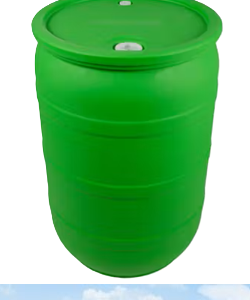
40% – 45% Chemical Purity Concentrations: A Comprehensive Industrial Guide
World of industrial manufacturing, laboratory research, and specialized chemical synthesis, the concept of “chemical purity” is not just a metric—it is the bedrock of success. Whether you are formulating agricultural products, managing water treatment facilities, or creating high-end consumer goods, understanding 40% – 45% chemical purity concentrations is essential for balancing cost, efficiency, and reactivity.
At Chemicalssuppliers.com, we specialize in bridging the gap between raw chemical manufacturing and industrial application. In this guide, we will explore why this specific concentration range (40%-45%) is a “sweet spot” for many processes, identify key chemicals found at this level of intensity, and discuss how you can source high-quality materials for your operations.
Why Target the 40% – 45% Purity Range?
Many buyers often assume that “higher purity is always better.” However, in industrial chemistry, this is a fallacy. Purity levels at 99% or higher often come with prohibitive price tags and may be too reactive for specific applications.
The 40% – 45% concentration bracket is highly sought after because:
- Stability: Chemicals at this concentration are often more stable during transport and long-term storage than their pure counterparts.
- Safety: High-concentration chemicals (near 100%) can be hazardous, volatile, or require extreme PPE. The 40-45% range is often easier to handle safely.
- Cost-Effectiveness: By diluting or sourcing chemicals at this concentration, manufacturers save on logistics and raw material overhead.
- Reaction Control: In many exothermic reactions, using a 40% solution prevents “runaway” reactions, giving engineers more control over the thermal output.
Key Chemicals Commonly Available at 40% – 45% Concentration
Several critical industrial chemicals are commercially standardized to a 40% to 45% concentration. Below are some of the most prominent examples:
1. Sodium Hydroxide (Caustic Soda Solutions)
While often sold as flakes or beads, sodium hydroxide is frequently supplied as a 40-45% liquid solution. This concentration is a staple in the textile industry (mercerizing cotton), pulp and paper manufacturing, and soap making.
2. Formalin (Formaldehyde Solution)
Formaldehyde is rarely sold as a pure gas due to its instability. Standard commercial formalin is typically found in a 37% to 45% concentration, stabilized with methanol. It is essential for medical preservation, resin production, and disinfection.
3. Ferric Chloride Solutions
Used extensively in water treatment and sewage purification, ferric chloride is often processed into a 40% solution. It acts as a coagulant, binding to impurities in wastewater to allow for easy filtration.
4. Speciality Ammonium Compounds
Various quaternary ammonium compounds, used as biocides and disinfectants, are manufactured at 45% concentrations to ensure they remain liquid at room temperature and dissolve easily in final water-based formulations.
Market Pricing: An Overview
Pricing for chemicals at this purity range is dictated by several factors: raw material availability, shipping logistics, and raw purity grade (Technical vs. ACS Grade).
Disclaimer: Prices below are estimates based on market trends and industrial bulk pricing. For live quotes, please visit Chemicalssuppliers.com.
| Chemical |
Typical 40-45% Purity Price (per Metric Ton) |
Primary Driver |
| Sodium Hydroxide (Liquid) |
$450 – $750 |
Energy costs/Caustic market |
| Formalin |
$300 – $550 |
Methanol feedstock |
| Ferric Chloride |
$250 – $400 |
Iron ore/HCl pricing |
| Specialty Quats |
$1,200 – $2,500 |
Regulatory/Complex synthesis |
Note: Prices fluctuate based on Global Market Indices. Bulk orders often qualify for significant discounts.
Applications: Where is this Concentration Used?
Water Treatment
At a 40%-45% purity, chemicals like Ferric Chloride or Aluminum Sulfate are perfectly calibrated to neutralize suspended particles in municipal water systems. This range ensures that the chemical can be metered accurately through automated injection pumps without clogging.
The Pharmaceutical Pipeline
In the synthesis of active pharmaceutical ingredients (APIs), the 40% concentration of certain catalysts or solvents allows for a more controlled “drip” process in a reactor vessel, reducing the carbon footprint of the manufacturing cycle.
Agricultural Formulations
Many liquid fertilizers and pesticides are sold as aqueous solutions in the 40% range. This prevents crystal formation in the bottle, ensuring that the farmer can easily mix the product into irrigation lines without equipment malfunction.
Supply Chain Excellence: Why Choose Chemicalssuppliers.com?
Sourcing chemicals is not just about what you buy; it’s about the reliability of the supply chain. At Chemicalssuppliers.com, we understand that a delay in chemical delivery can shutter a production line.
Quality Assurance
We ensure that every batch labeled “40-45% Purity” undergoes rigorous testing, including:
- Titration Analysis: Ensuring the concentration matches the label exactly.
- Impurity Profiling: Identifying heavy metals or contaminants.
- COA (Certificate of Analysis): Provided with every shipment for compliance documentation.
Logistics and Safety
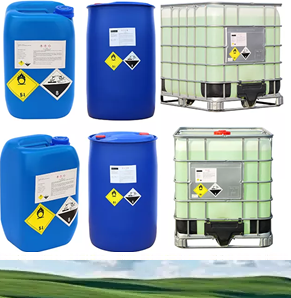
Chemicals in this concentration range require specialized logistics. We utilize climate-controlled transport and IBC (Intermediate Bulk Containers) that are certified for hazardous material handling.
How to Order
To get started with your procurement:
- Visit our portal: Chemicalssuppliers.com.
- Define your specs: Are you looking for technical grade or high-purity laboratory standards?
- Request a Quote: Specify your quantity requirements and location.
- Logistics: We coordinate door-to-door delivery.
Comparison: Low Purity vs. High Purity vs. 40-45%
Understanding the “Purity Spectrum” is vital for procurement managers.
- 10% – 20% (Low Purity): Typically used for cleaning products or household disinfectants where safety for the consumer is the highest priority.
- 40% – 45% (The Sweet Spot): The ideal solution for industrial-scale manufacturing, wastewater treatment, and concentrated raw material supply.
- 90% – 99%+ (High Purity): Reserved for analytical chemistry, HPLC (High-Performance Liquid Chromatography), and high-tech electronic component manufacturing where trace elements could cause catastrophic failure.
Most industrial purchasers find that sticking to the 40-45% range provides the best ROI (Return on Investment) because it avoids the “over-specifying” tax—the extra money paid for purity levels that the application doesn’t actually require.
Safety and Storage Requirements for 40-45% Chemicals
Working with chemicals at nearly half-strength requires significant safety protocols. Even at 45%, substances like Caustic Soda are highly corrosive.
- Containment: Always store in secondary containment. If an IBC fails, the spill must be captured.
- Ventilation: For chemicals like Formalin, adequate airflow is mandatory to prevent respiratory irritation.
- Temperature Control: Some 45% solutions have a “crystallization point.” If stored in a warehouse that drops below 10°C, the chemical may solidify, making it unusable without heating.
- Personal Protective Equipment (PPE): Nitrile gloves, chemical-resistant goggles, and face shields are the absolute minimum.
For detailed Material Safety Data Sheets (MSDS), visit our Resource Library.
Future Trends in Chemical Concentration
The global chemical market is shifting toward “Concentrated Green Chemistry.” There is a significant movement to reduce the volume of water shipped in chemical solutions. While 40% was once the standard, many producers are moving toward 45% to minimize freight costs.
By purchasing at 45% instead of 40%, you are essentially buying less water and more active product, reducing your shipping carbon footprint by nearly 10-15%. This is a key metric for companies aiming to meet ESG (Environmental, Social, and Governance) goals.
Frequently Asked Questions (FAQ)
Q: Can I dilute a 45% chemical to 40% myself? A: Yes. Most industrial facilities perform “downstream dilution.” However, you must use deionized or distilled water to ensure you don’t introduce contaminants that might affect your reaction.
Q: Is 45% concentration considered hazardous for shipping? A: Most chemicals at this purity level fall under UN regulatory classes for transport. Always check the specific chemical’s UN number and Packing Group on our website.
Q: Why do prices vary so much for the same chemical? A: Purity is only one factor. The “grade” (Technical, USP, Lab, Industrial) and the country of origin play a massive role in the final price of the chemical.
Conclusion
The 40% – 45% chemical purity concentration percentage represents the backbone of modern industrial efficiency. It is a calculated balance that provides enough potency to drive chemistry forward while respecting the constraints of safety, budget, and logistical reality.
At Chemicalssuppliers.com, we are committed to being your partner in the chemical supply chain. With our extensive global network, we can source, analyze, and deliver the precise concentrations your business requires.
Ready to source your chemicals? Stop searching through disparate databases and start working with a partner that understands the chemistry of your business. Visit Chemicalssuppliers.com today to view our full catalog and request your custom quote.
Expanded Industry Insights: Deepening the Technical Context
To provide even more value, let’s look at the chemistry of “Normalization.” In many industrial plants, the incoming source material might vary slightly—perhaps one delivery is 43% and the next is 46%.
Sophisticated plants use In-line Process Analyzers (often utilizing infrared spectroscopy or conductivity sensors) to adjust the feed rate based on the real-time concentration. If you are a high-volume user, transitioning from manual batching to automated dosing of 45% concentration chemicals will drastically reduce labor costs and human error.
The Role of Chemical Additives
It is important to note that when a chemical is sold at 40-45%, the remaining 55-60% isn’t just “filler.” In many cases, it includes:
- Stabilizers: To prevent degradation.
- Buffer agents: To maintain a specific pH level.
- Surfactants: To improve the wetting capabilities of the chemical.
Understanding the “filler” composition is just as important as understanding the purity of the active ingredient. At Chemicalssuppliers.com, we provide full disclosure on secondary components so your formulation team has all the data they need.
Global Supply Chain Challenges: How We Help
In the current geopolitical climate, lead times for raw materials are volatile. Our team at Chemicalssuppliers.com mitigates these risks by:
- Dual-Sourcing: We never rely on a single manufacturer for any chemical.
- Inventory Buffering: We maintain regional stocks of high-demand 40-45% chemicals to ensure immediate availability.
- Regulatory Compliance: We handle the complex paperwork required for international trade of chemical goods, ensuring your shipments aren’t held at customs.
Reach out to our team today for a consultation on your chemical procurement strategy.
By choosing Chemicalssuppliers.com, you aren’t just buying a liquid in a drum; you are securing the reliability of your entire production process.
#ChemicalPurity #40PercentConcentration #45PercentPurity #IndustrialChemicals #ChemicalSupplyChain #SodiumHydroxide #Formalin #FerricChloride #ChemicalProcurement #RawMaterialSourcing #IndustrialChemistry #WastewaterTreatmentChemicals #ChemicalManufacturers #GlobalChemicalDistributor #ChemicalAnalytics #ManufacturingEfficiency #BulkChemicals #MaterialScience #LaboratoryChemicals #ChemicalStandards #ChemicalLogistics #PurityMetrics #BusinessToBusiness #SupplyChainManagement #ChemicalSafety #TechnicalGradeChemicals #AdvancedManufacturing #ProcessOptimization #ChemicalFormula #ChemicalsSuppliersSite