35%–40% Chemical Purity Concentration: The Guide to Industrial and Laboratory Standards
The intricate world of global manufacturing, pharmaceutical synthesis, and laboratory research, the term “purity” is not just a standard—it is the bedrock of success. Whether you are operating a high-end biotech firm, managing water treatment facilities, or conducting delicate analytical chemistry, understanding 35%–40% chemical purity concentration is essential.
At ChemicalsSuppliers.com, we recognize that precision is non-negotiable. This deep-dive article explores why the 35% to 40% concentration range is a “sweet spot” for many industrial applications, how these chemicals are priced, and how to source high-grade materials safely and efficiently.
What Does 35%–40% Concentration Actually Mean?
In chemistry, concentration refers to the abundance of a constituent divided by the total volume of a mixture. When we speak of a “35%–40% purity concentration,” we are usually referring to an aqueous solution where the active chemical compound makes up 35 to 40 parts of every 100 parts by weight or volume.
Why is this specific range so popular?
- Stability: Many chemicals, particularly acids and peroxides, become dangerously volatile or unstable at 100% (or “glacial”) concentrations. Diluting them to 35%–40% provides the necessary reactivity for industrial processes while maintaining a safer handling profile.
- Transportation Efficiency: Shipping ultra-pure chemicals often triggers “Hazardous Materials” (HazMat) restrictions that are prohibitively expensive. The 35%–40% bracket often balances potency with international shipping regulations.
- Optimized Reaction Kinetics: Many industrial catalysts and reagents work most efficiently at this concentration, preventing side reactions that occur in overly concentrated environments.
Critical Chemicals in the 35%–40% Purity Spectrum
Several industrial workhorses fall into this specific concentration tier. Let’s examine some of the most frequently requested substances.
1. Hydrogen Peroxide (H₂O₂) – The 35% Grade
Hydrogen Peroxide at 35% (often called “Food Grade” or “Technical Grade”) is a powerful oxidizing agent.
- Applications: Used in paper pulp bleaching, textile manufacturing, and environmental water treatment to oxidize organic pollutants.
- Why 35%? It is the standard industrial strength. It is highly effective but manageable with proper PPE (Personal Protective Equipment).
- Note: Always handle with caution, as it is a strong oxidizer.
2. Formaldehyde Solution (Formalin) – 37%
Formaldehyde is typically sold as a 37% aqueous solution, often stabilized with 10–15% methanol to prevent polymerization into paraformaldehyde.
3. Hydrochloric Acid (HCl) – 37%
Often referred to as Muriatic Acid in its cruder forms, 37% HCl is the analytical grade used in laboratories for pH regulation and metal processing.
- Applications: Steel pickling, food processing, and synthesis of organic compounds.
- Characteristics: It is a colorless, highly pungent liquid.
4. Nitric Acid – 35% to 40%
Nitric acid is a highly corrosive mineral acid. While it is sold in various concentrations, the 35%–40% range is frequently used for laboratory cleaning and metal etching.
Pricing Analysis: What Drives the Cost?
Pricing in the chemical industry is notoriously dynamic. When purchasing chemicals in the 35%–40% purity range, the cost is typically influenced by several factors:
| Factor |
Description |
| Grade Purity |
ACS (American Chemical Society) grade is more expensive than Technical or Industrial grade. |
| Volume/Bulk |
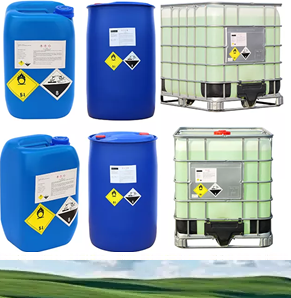
Purchasing in metric tons or IBC totes significantly reduces the price per liter compared to 1L glass reagent bottles. |
| Stabilizers |
Chemicals that require proprietary stabilizers (like Formalin) incur higher production costs. |
| Logistics/HazMat |
Shipping liquid chemicals classified as “dangerous goods” adds a surcharge for specialized packaging and certified carriers. |
Estimated Price Benchmarks (Subject to Market Fluctuation)
- Industrial Grade Hydrogen Peroxide (35%): $2.00–$5.00 per liter (bulk).
- Laboratory Grade HCl (37%): $25.00–$60.00 per 2.5L bottle.
- Formaldehyde Solution (37%): $15.00–$40.00 per liter depending on volume and stabilization needs.
For precise, real-time quotes, please visit our pricing portal at ChemicalsSuppliers.com.
Safety and Handling: The “Non-Negotiable” Rules
Working with chemicals at a 35%–40% concentration level requires rigorous adherence to OSHA and REACH standards.
- Engineering Controls: Always use a fume hood when dealing with volatile substances like 37% Formaldehyde or HCl.
- Personal Protective Equipment (PPE):
- Gloves: Nitrile or Neoprene gloves (check for breakthrough times).
- Eye Protection: Chemical splash goggles are mandatory; a face shield is recommended for transferring large volumes.
- Body: Acid-resistant aprons or full-length lab coats.
- Storage: Store in a cool, dry, well-ventilated area. Highly concentrated solutions should be stored in secondary containment trays to prevent leaks from damaging storage surfaces.
Why Source from ChemicalsSuppliers.com?
There are thousands of chemical distributors, but few offer the synthesis of quality, regulatory compliance, and logistical speed that we provide at ChemicalsSuppliers.com.
The Advantages of Our Supply Chain:
- Traceability: Every batch comes with a Certificate of Analysis (COA) and Material Safety Data Sheet (MSDS).
- Global Reach: Whether you are in North America, Europe, or Asia, our distribution network ensures your chemicals arrive on time.
- Technical Support: Our team of chemists is available to help you determine if 35% concentration is the right fit for your specific chemical reaction or manufacturing goal.
- Competitive Pricing: By cutting out unnecessary intermediaries, we pass the savings of bulk purchasing directly to the end-user.
The Role of Concentration in Modern Science
As technology evolves, the precision required for chemical purity continues to climb. While 35%–40% may sound like a “mid-range” percentage, it is the bedrock of industrial output. From the synthesis of pharmaceutical precursors to the cleaning of silicon wafers in the semiconductor industry, maintaining this specific concentration is a technical challenge we assist our clients with daily.
If your research requires a specific molarity or a custom blend involving 35%–40% base chemicals, reach out to our customized procurement team. We specialize in bridging the gap between raw supply and refined manufacturing requirements.
Frequently Asked Questions (FAQ)
Q: Can I dilute 35% chemicals to a lower percentage myself?
A: Yes, but always perform calculations using the $C1V1 = C2V2$ formula and follow safety protocols for dilution—specifically, adding acid to water, not water to acid.
Q: What is the shelf life of 35% Hydrogen Peroxide?
A: H₂O₂ degrades over time. If kept in a cool, dark, vented container, you can expect a shelf life of 12–24 months before the concentration drops significantly.
Q: Does ChemicalsSuppliers.com ship hazardous chemicals internationally?
A: Yes, we utilize certified hazardous materials logistics partners to ensure all local and international shipping regulations are met, including UN-certified packaging.
Conclusion: Partnering for Success
The precision of your final product starts with the purity of your raw materials. Whether you are scaling up a pilot plant or maintaining a steady supply for clinical research, the 35%–40% concentration range offers the stability and reactivity your processes demand.
Don’t compromise on quality. Trust the experts at ChemicalsSuppliers.com to provide the chemicals, the documentation, and the logistical support your business needs to excel.
Ready to place an order or require a custom quote? Visit our website today to browse our full catalog of fine chemicals and industrial reagents.
External References for Further Reading
#ChemicalPurity #35PercentConcentration #40PercentChemicals #HydrogenPeroxide35 #FormaldehydeSolution #HydrochloricAcid37 #ChemicalSuppliers #IndustrialChemicals #LabReagents #ChemicalSourcing #HazardousMaterialsLogistics #ChemicalGradeStandards #AnalyticalChemistry #ChemicalProcurement #ChemicalManufacturing #ReagentSupply #BulkChemicals #ChemicalSafety #LaboratoryEquipment #ChemicalDistributors #AcidAndBaseSupply #ChemicalEngineering #RawMaterialSourcing #ChemicalConcentrationGuide #ChemicalPuritySpecs #HighGradeChemicals #ChemicalLogistics #ScienceSupplies #ResearchChemicals #ChemicalIndustryTrends